A fast moving cholera outbreak in Sudan’s Darfur region has killed at least 40 people in a week, as aid groups warn the crisis is accelerating amid ongoing conflict and collapsing health systems.
The surge comes as millions remain displaced by months of fighting, living in conditions that allow waterborne diseases to spread rapidly. For humanitarian agencies, the situation is no longer just critical, it is spiraling.
Overcrowded Camps Fuel Rapid Disease Spread
The outbreak is being driven by conditions inside displacement camps, where access to clean water and basic sanitation is severely limited.
As violence continues, families have been forced into overcrowded shelters and informal settlements. These areas often lack functioning sewage systems, making them highly vulnerable to contamination.
Cholera, which spreads through unsafe water, thrives in such environments. With millions displaced and infrastructure destroyed, containment becomes increasingly difficult.
This growing health emergency is directly tied to the broader conflict, turning what began as a humanitarian crisis into a public health disaster.
Health Facilities Overwhelmed Beyond Capacity
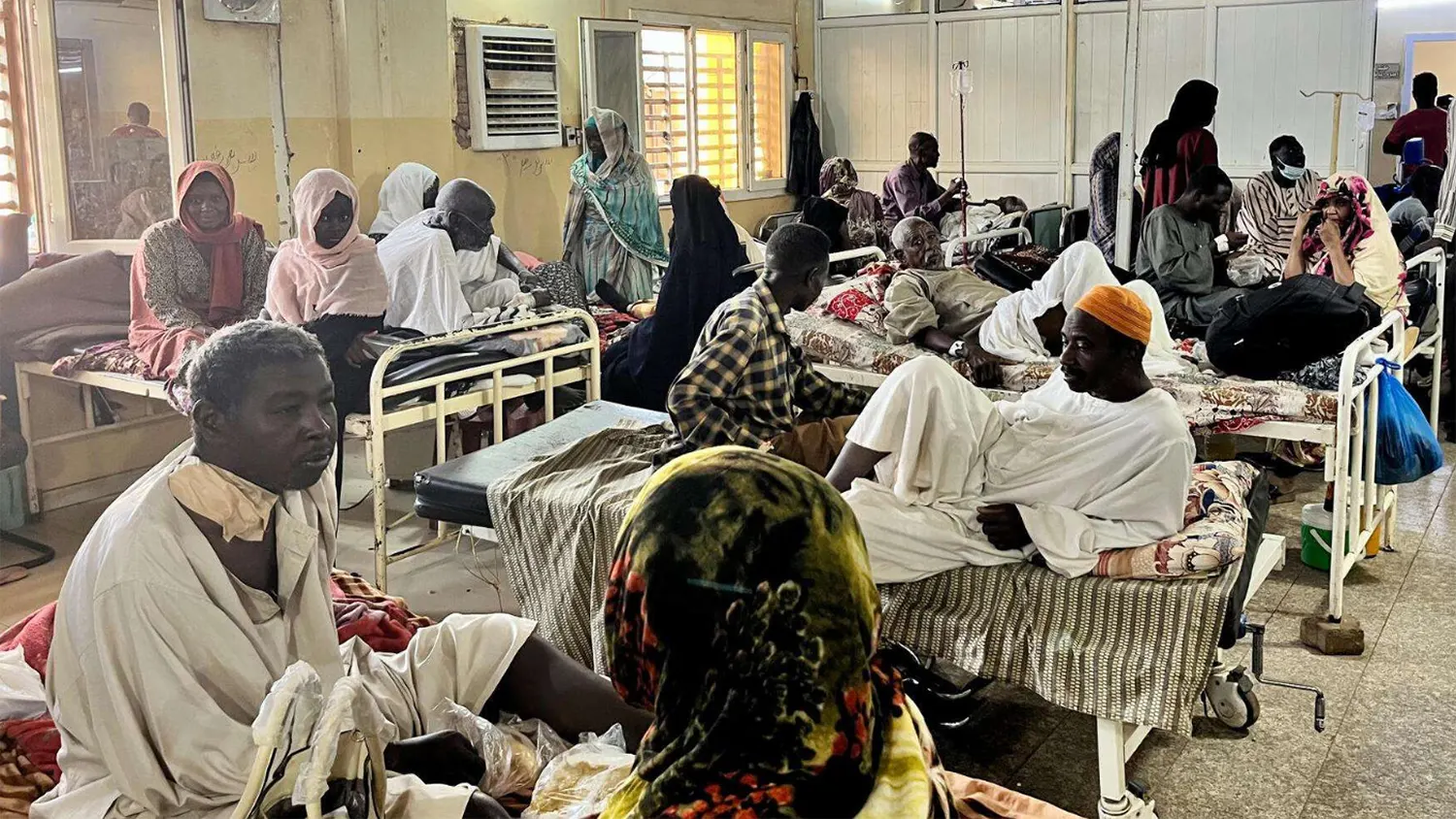
Medical teams on the ground report that facilities are struggling to cope with the surge in patients.
In Tawila, North Darfur, a treatment center designed for 130 people was forced to handle over 400 patients in just days, according to Doctors Without Borders (MSF). The rapid influx has pushed already limited resources to the brink.
Shortages of staff, medical supplies, and treatment space mean that many patients cannot receive timely care. As a result, preventable deaths are rising, particularly among vulnerable populations such as children and the elderly.
Without immediate reinforcement, aid groups warn the healthcare system could collapse under sustained pressure.
Rainy Season Accelerates the Outbreak
The arrival of seasonal rains has made an already dangerous situation worse. Flooding is contaminating water sources and damaging fragile sanitation systems.
This creates ideal conditions for cholera bacteria to multiply and spread quickly. In many areas, communities are left with no choice but to use unsafe water, increasing infection risks.
At the same time, damaged roads and flooding are isolating communities, making it harder for aid to reach those in need. The combination of weather, war, and weak infrastructure is accelerating the outbreak at a dangerous pace.
Aid Delivery Blocked by Ongoing Conflict
Efforts to contain the outbreak are being severely hindered by continued fighting across Darfur.
Humanitarian organizations report that access routes are frequently blocked or unsafe, preventing the delivery of essential medical supplies and clean water. This disruption is slowing response efforts at a critical moment.
Aid groups stress that without secure access, even well-funded interventions cannot succeed. The inability to reach affected populations is turning a manageable outbreak into a large scale emergency.
Calls are growing for all parties to allow safe humanitarian corridors, but progress remains limited.
A Crisis That Demands Immediate Global Action
The cholera outbreak in Darfur is no longer an isolated health issue, it is a direct consequence of war, displacement, and systemic collapse.
With cases rising rapidly and aid access restricted, the risk of a far deadlier scenario is increasing by the day. Humanitarian agencies are urging urgent international support and unrestricted access to contain the spread.
Without swift and coordinated action, the crisis in Darfur could escalate further, leaving millions at risk and pushing an already devastated region deeper into catastrophe.