A new investigation has revealed the devastating scale of violence at Zamzam refugee camp in North Darfur, Sudan. What was initially reported as a deadly assault has now been described as a mass killing of over 1,500 civilians during a brutal three day attack.
The findings paint a far darker picture than early estimates suggested. The Zamzam camp attack is now emerging as one of the deadliest episodes in Sudan’s ongoing conflict.
A Humanitarian Crisis Turned Catastrophic
The assault began on April 11, 2025, when forces linked to the Rapid Support Forces (RSF) stormed the camp. At the time, Zamzam was already struggling under severe humanitarian conditions, with more than half a million displaced people mostly women and children living in near famine conditions.
Within hours, the situation spiraled into chaos. Eyewitnesses describe widespread violence, executions, and targeted killings, turning the camp into a scene of destruction.
This escalation highlights a grim reality: even places meant to provide refuge are no longer safe.
Survivor Accounts Reveal the Scale of Atrocities
Survivors have shared harrowing testimonies of what unfolded during the 72 hour assault. Many describe the violence as systematic and deliberate.
Reports include:
- Mass executions of civilians
- Abductions of women and girls
- Entire neighborhoods set on fire
Aid operations were also devastated. Relief International, a key humanitarian organization in the camp, reportedly lost all of its staff during the attack, an indication of the direct targeting of aid workers.
These accounts suggest the violence was not random, but organized and sustained.
Rising Death Toll Raises New Alarms
Initial estimates from international observers placed the death toll in the hundreds. However, a local committee formed within the camp has documented more than 1,500 confirmed deaths.
Even this number may be incomplete. Access to the area remains restricted, and many victims are believed to be buried under debris or left unrecovered.
This raises serious concerns about the true scale of the massacre, which could be significantly higher than current figures suggest.
Mass Displacement and Regional Fallout
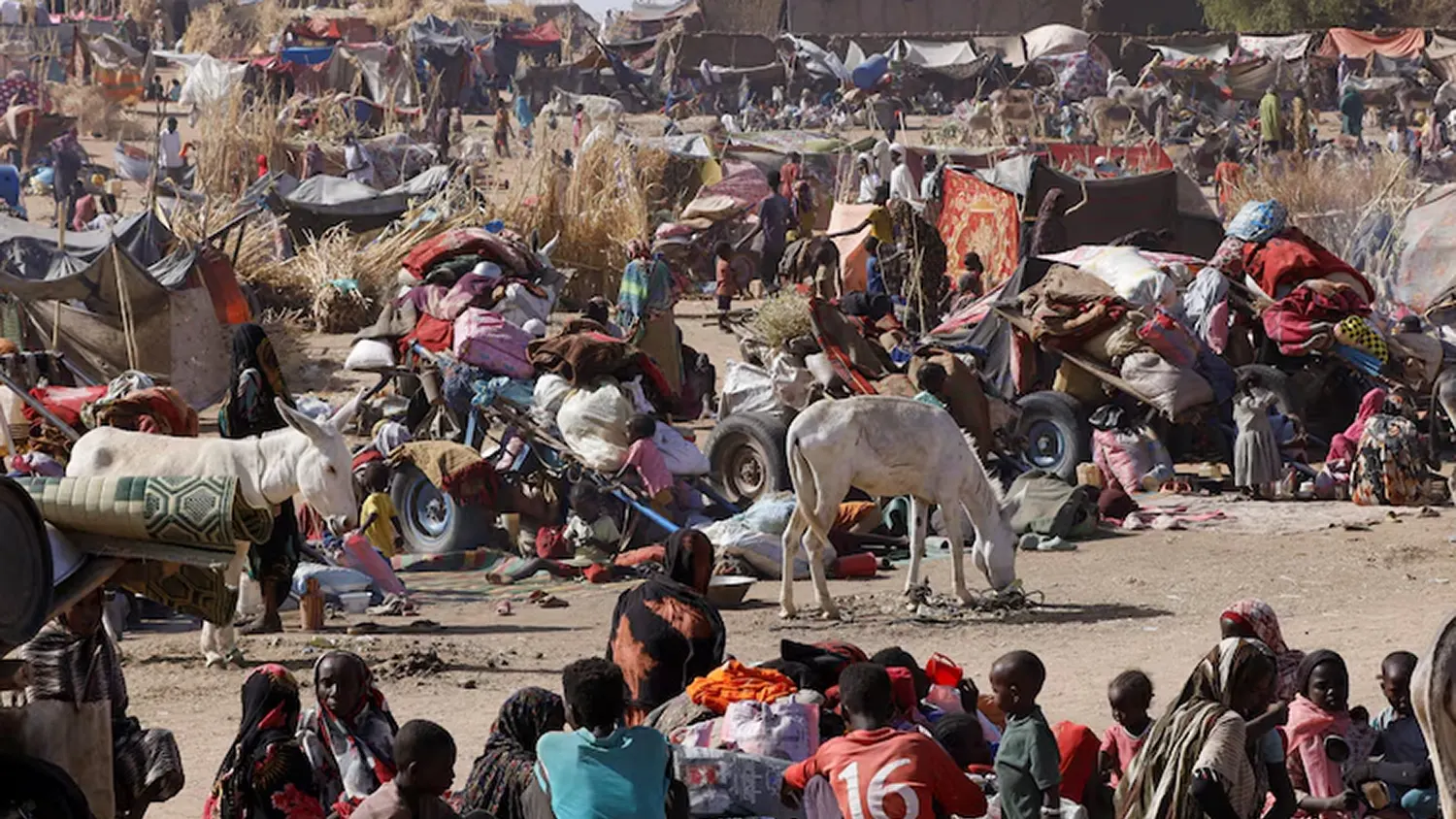
The aftermath of the attack has triggered a massive wave of displacement. Around 400,000 survivors have fled the camp, many heading toward the already overwhelmed city of El Fasher.
Others have crossed into neighboring Chad, where conditions are rapidly deteriorating. Overcrowded camps are now facing new threats, including a growing cholera outbreak.
This secondary crisis underscores how violence in one area can quickly destabilize an entire region.
International Response and Calls for Accountability
The global response is beginning to take shape. France has issued a strong condemnation of the attack, while the United Nations continues to warn about escalating violence against civilians in Sudan.
More significantly, the International Criminal Court (ICC) has stated there are “reasonable grounds” to investigate war crimes and crimes against humanity linked to the Darfur conflict.
The Zamzam massacre is expected to become a central focus of these investigations.
But the question remains: will these actions lead to real accountability?
A Crisis the World Cannot Ignore
The massacre at Zamzam refugee camp is a stark reminder of the human cost of Sudan’s ongoing conflict. Thousands of lives have been shattered, and hundreds of thousands are once again displaced.
As more details emerge, the urgency for action grows. The international community faces a critical test to deliver justice, protection, and humanitarian support where it is needed most.
Failing to act risks allowing such atrocities to continue unchecked.