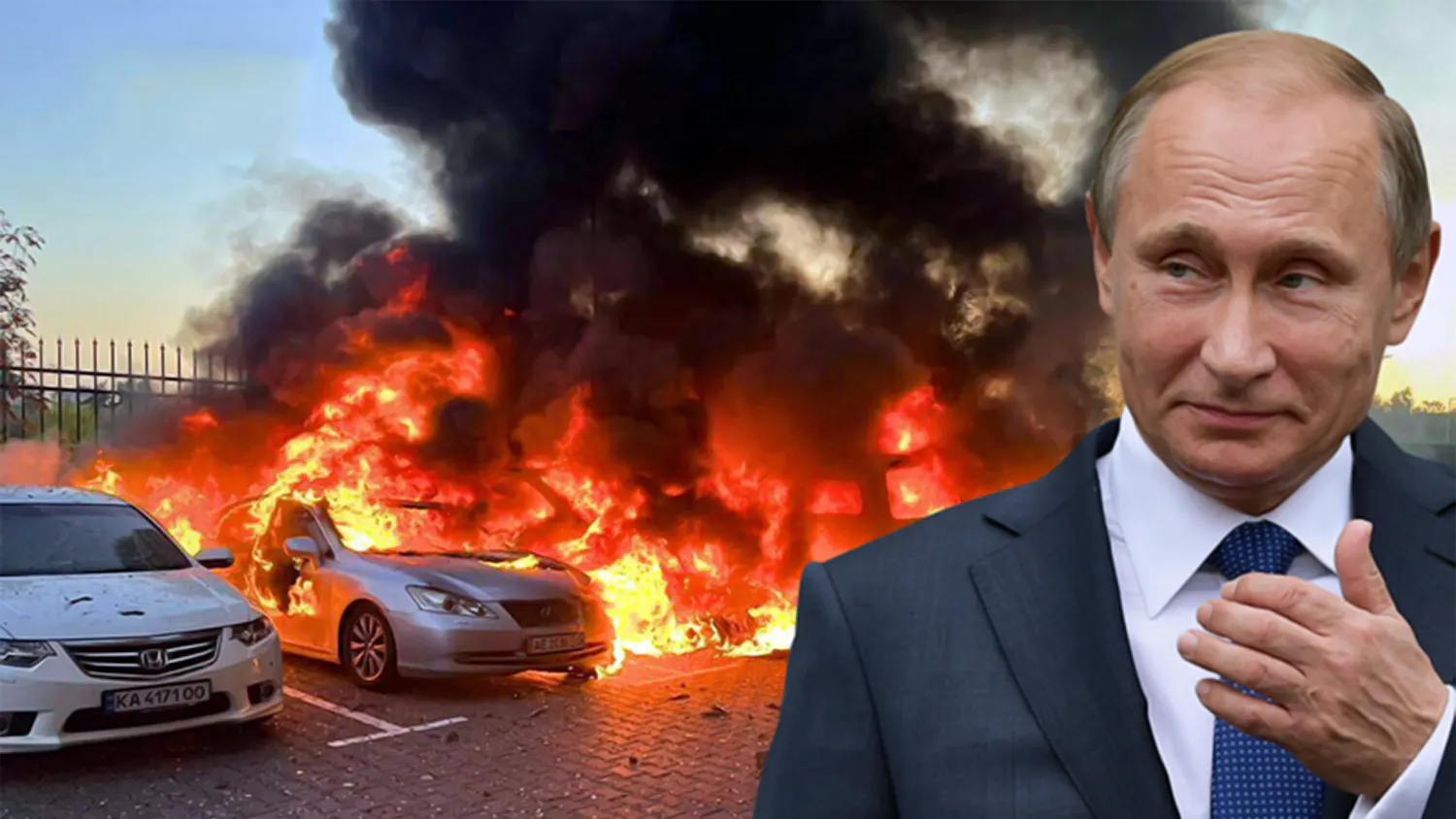
Russia has launched one of its largest aerial assaults in recent weeks, firing hundreds of drones and dozens of missiles across Ukraine in a wave of attacks that targeted multiple regions and civilian infrastructure.
The strikes triggered air raid alerts across the country and pushed neighboring Poland to scramble fighter jets as tensions along NATO’s eastern border intensified once again.
Hundreds of Drones and Missiles Fired
Ukrainian officials said Russia launched approximately 580 drones and 40 missiles during the large-scale overnight assault.
The attacks reportedly struck at least nine Ukrainian regions, damaging infrastructure and causing civilian casualties. While Ukraine’s air defense systems intercepted many of the incoming projectiles, several still managed to hit their targets.
Officials described the assault as one of the heaviest bombardments in recent weeks.
Russia’s Drone Strategy Continues to Evolve
Military analysts say Russia has increasingly relied on saturation-style attacks, combining large numbers of low-cost drones with more advanced missiles.
The strategy is designed to overwhelm Ukrainian air defenses by forcing them to track and intercept multiple threats at the same time.
Experts warn that repeated large-scale attacks can gradually weaken air defense capabilities by exhausting missile supplies, radar systems, and personnel resources.
The growing scale of these operations has also raised concerns among Ukraine’s Western allies.
Poland Scrambles Fighter Jets
As the attacks unfolded near Ukraine’s western regions, Poland activated parts of its military defense system.
Polish authorities confirmed that fighter jets were scrambled and ground-based air defense units were placed on maximum alert as a precautionary measure.
The move was intended to protect Polish airspace from possible missile fragments, drone incursions, or accidental violations near the border.
Poland, a NATO member, has taken similar actions during previous Russian strikes close to its territory.
NATO Faces Growing Pressure on Eastern Border
The latest incident has renewed concerns about security along NATO’s eastern flank.
In recent years, there have been multiple reports of Russian drones or missile debris entering the airspace of neighboring countries such as Poland and Romania during attacks on Ukraine.
Although many of these incidents appear accidental, they continue to test NATO’s response systems and increase fears of unintended escalation.
Some officials and military experts have called for stronger regional air defense coordination, while others continue to debate the possibility of expanded no-fly zone protections near Ukrainian territory.
Civilian Safety Remains a Major Concern
Ukraine says the continued attacks are placing enormous pressure on civilians living near targeted areas.
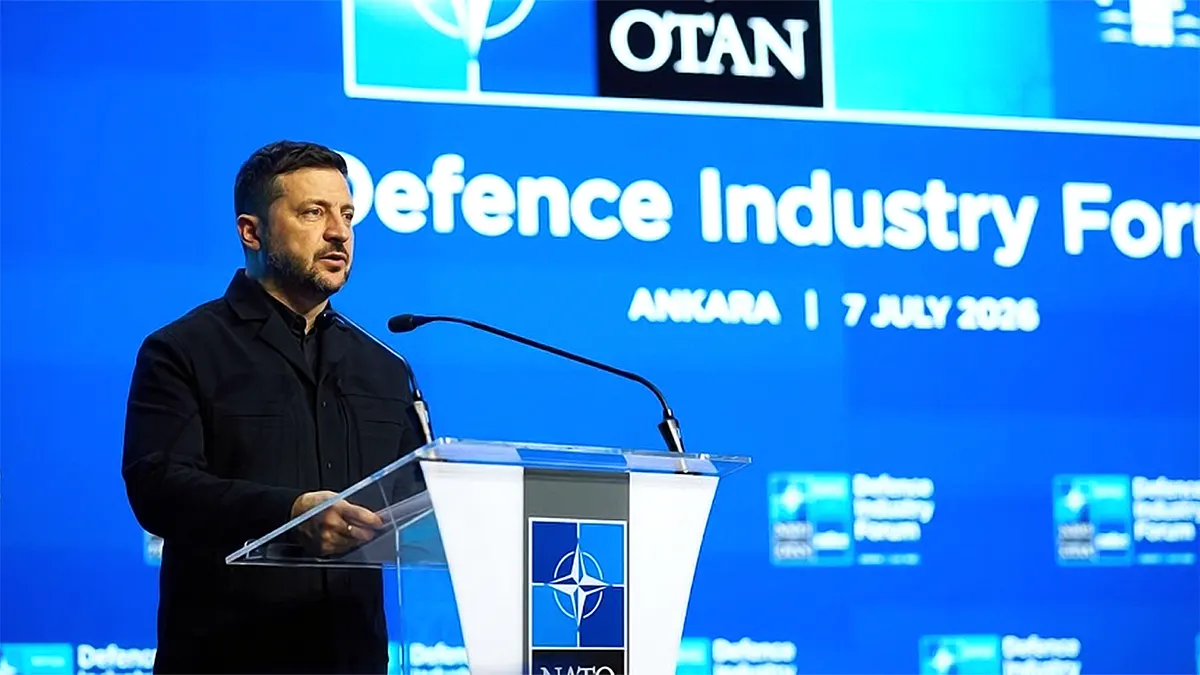
President Volodymyr Zelensky condemned the strikes, accusing Russia of deliberately targeting civilian infrastructure to spread fear and destabilize communities.
Ukrainian leaders are continuing to urge Western allies to provide additional air defense systems and increase sanctions against Moscow.
According to reports, Zelensky is expected to meet with U.S. President Donald Trump during the United Nations gathering to discuss further support and sanctions measures.
Russia Denies Targeting Civilians
Russian officials continue to deny intentionally targeting civilians during military operations in Ukraine.
Moscow has repeatedly stated that its strikes focus on military and strategic infrastructure, claiming its actions comply with international law.
However, repeated attacks on populated areas have drawn widespread criticism from Ukraine and Western governments.
Rising Risk of Wider Escalation
The latest wave of attacks highlights the growing danger of spillover risks beyond Ukraine’s borders.
Security analysts warn that any accidental strike on NATO territory could rapidly increase tensions between Russia and alliance members.
For now, neighboring countries remain on heightened alert as the conflict continues to reshape security conditions across Eastern Europe.