The long-running dispute over Iran’s nuclear program has entered a dangerous new phase after the collapse of the 2015 nuclear agreement, known as the Joint Comprehensive Plan of Action (JCPOA).
Tensions escalated sharply after France, Germany, and the United Kingdom successfully triggered the United Nations’ controversial “snapback” mechanism, automatically restoring a wide range of international sanctions against Iran. In response, Tehran recalled its ambassadors from the three European countries, signaling a major deterioration in diplomatic relations.
The latest developments have effectively ended what remained of the nuclear deal and raised fresh concerns about regional stability, economic pressure on Iran, and the possibility of renewed nuclear escalation.
Why the UN Snapback Mechanism Matters
The snapback mechanism was built into UN Security Council Resolution 2231, which endorsed the JCPOA in 2015. It was designed as a safeguard to ensure that Iran complied with its nuclear commitments.
Under the provision, any original participant in the agreement can trigger the automatic return of previous UN sanctions if Iran is found to be in significant violation of the deal. Unlike most Security Council actions, the process cannot be blocked through a veto once the mechanism is activated.
France, Germany, and the UK, often referred to as the E3 invoked the measure after citing Iran’s alleged lack of full cooperation with inspectors from the International Atomic Energy Agency (IAEA) and its continued accumulation of enriched uranium beyond the limits established under the agreement.
Attempts by Russia and China to delay the sanctions through a proposed six-month extension reportedly failed, clearing the way for the restrictions to return.
Tehran Responds With Diplomatic Retaliation
Iran reacted quickly to the move, condemning the decision and accusing the European powers of abusing the dispute resolution process contained within the nuclear agreement.
The recall of ambassadors from France, Germany, and the UK marks one of the strongest diplomatic responses by Tehran in recent years and reflects the growing divide between Iran and Western nations.
Iranian officials described the activation of the snapback mechanism as unjustified and legally questionable, arguing that the process undermines diplomatic efforts rather than preserving them.
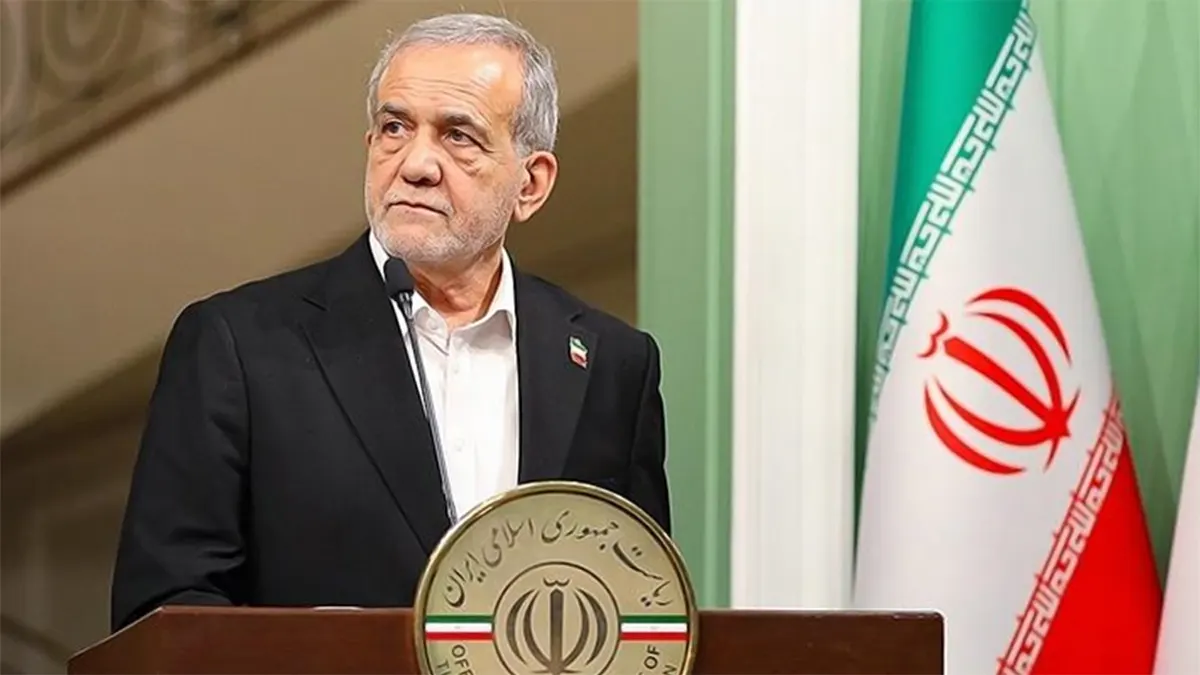
Despite the escalating tensions, President Masoud Pezeshkian stated that Iran would remain a member of the Nuclear Non-Proliferation Treaty (NPT), a key international agreement aimed at preventing the spread of nuclear weapons.
However, Iranian leaders have indicated that additional political, diplomatic, or security measures could follow.
Major Sanctions Return to Pressure Iran’s Economy
The restoration of UN sanctions is expected to place significant pressure on Iran’s economy and strategic industries.
Among the measures being reimposed are:
- Conventional arms embargoes
- Restrictions on uranium enrichment and reprocessing activities
- Limits on ballistic missile development and related technologies
- Asset freezes and financial restrictions
- Constraints on banking, shipping, and insurance sectors
- New limitations affecting oil and gas exports
These sanctions target several critical sectors that generate revenue for Iran and support its broader economic and defense activities.
Economic Challenges Could Intensify
The return of international sanctions comes at a difficult time for Iran’s economy.
Analysts warn that renewed restrictions could accelerate the decline of the Iranian rial, increase inflation, and worsen living conditions for many citizens. Rising prices and economic uncertainty may also create additional domestic pressure on the government.
For ordinary Iranians, the consequences could be felt through higher costs for everyday goods, reduced investment, and greater financial instability.
Growing Concerns Over Nuclear Transparency
One of the biggest questions moving forward is how Iran will respond to the renewed sanctions regime.
International observers are closely watching whether Tehran will continue cooperating with IAEA inspectors or decide to further reduce transparency regarding its nuclear activities.
Any reduction in monitoring access could make it more difficult for the international community to assess the status of Iran’s nuclear program and increase concerns about future enrichment activities.
The possibility of Iran expanding its uranium enrichment efforts remains a major source of concern among Western governments.
Risk of Wider Regional Tensions
The renewed standoff also raises fears of broader instability across the Middle East.
Historically, periods of heightened pressure on Iran have often coincided with increased tensions involving regional allies and proxy groups. Security analysts warn that the current confrontation could trigger new flashpoints across an already volatile region.
At the same time, disagreements over the legality and legitimacy of the snapback process continue to divide major world powers.
Russia and China have consistently opposed additional pressure on Iran and may resist efforts to fully enforce the renewed sanctions framework, potentially creating new diplomatic disputes within the international community.
A New Chapter in the Iran Nuclear Crisis
The reactivation of UN sanctions marks one of the most significant setbacks for international nuclear diplomacy in years.
What was once viewed as a landmark agreement aimed at preventing nuclear proliferation has now largely unraveled, leaving uncertainty about the future of Iran’s nuclear program and the broader security landscape of the Middle East.
With diplomacy under strain and tensions rising on multiple fronts, the world now faces a familiar challenge: preventing the Iran nuclear dispute from escalating into a larger regional and international crisis.