A dramatic new chapter in the Israel-Hamas conflict unfolded after an Israeli airstrike targeted the Qatari capital of Doha, sending shockwaves through the Middle East and triggering a major diplomatic crisis.
The strike, carried out on September 9, 2025, reportedly targeted a compound believed to be hosting senior Hamas leaders during discussions linked to a U.S.-backed Gaza ceasefire proposal.
Although the main Hamas figures reportedly survived, the political fallout has been immediate and far-reaching.
The attack has strained relations between Israel, Qatar, and the United States while also placing fragile regional peace efforts at serious risk.
Airstrike Sparks International Condemnation
According to reports, the Israeli strike killed five Hamas operatives along with a Qatari security officer.
The attack quickly drew condemnation from regional governments and international organizations, including the United Nations and the Arab League.
Several Gulf nations, including Saudi Arabia and the United Arab Emirates, described the operation as a serious violation of Qatari sovereignty.
For Qatar, the strike represented more than a security breach.
The country has spent years positioning itself as a key diplomatic mediator between Israel and Hamas, often hosting sensitive negotiations aimed at reducing violence in Gaza.
The attack now threatens that role and raises fears of wider regional escalation.
Washington Faces a Diplomatic Crisis
The incident has also placed the United States in an uncomfortable position.
Qatar remains one of Washington’s most important allies in the Middle East and hosts the massive Al Udeid Air Base, the largest U.S. military base in the region.
At the same time, the U.S. continues to support Israel militarily and politically.
The strike forced the White House into urgent diplomatic damage control.
President Donald Trump publicly criticized the operation, calling it “unwise” and saying it did not serve American or Israeli interests.
Trump also revealed he held a tense phone call with Israeli Prime Minister Benjamin Netanyahu shortly after the attack.
The unusually public disagreement highlighted growing tensions between Washington and Jerusalem over how the Gaza conflict is being handled.
Questions Grow Over Failed Warning to Qatar
One of the most controversial issues surrounding the strike involves claims about advance warning.
Initially, American officials suggested Qatar had been informed before the missiles hit.
However, Qatari officials later disputed those claims, saying any warning came too late to take meaningful action.
Trump himself later admitted the alert was delayed and ineffective.
The communication failure has raised serious concerns about coordination between allies at a time when trust and timing are critical for regional diplomacy.
Analysts warn the incident may damage confidence in U.S. security commitments across the Gulf.
U.S. Rushes to Repair Relations With Qatar
In the hours following the strike, the Trump administration launched an intense diplomatic effort to reassure Qatar and prevent deeper fallout.
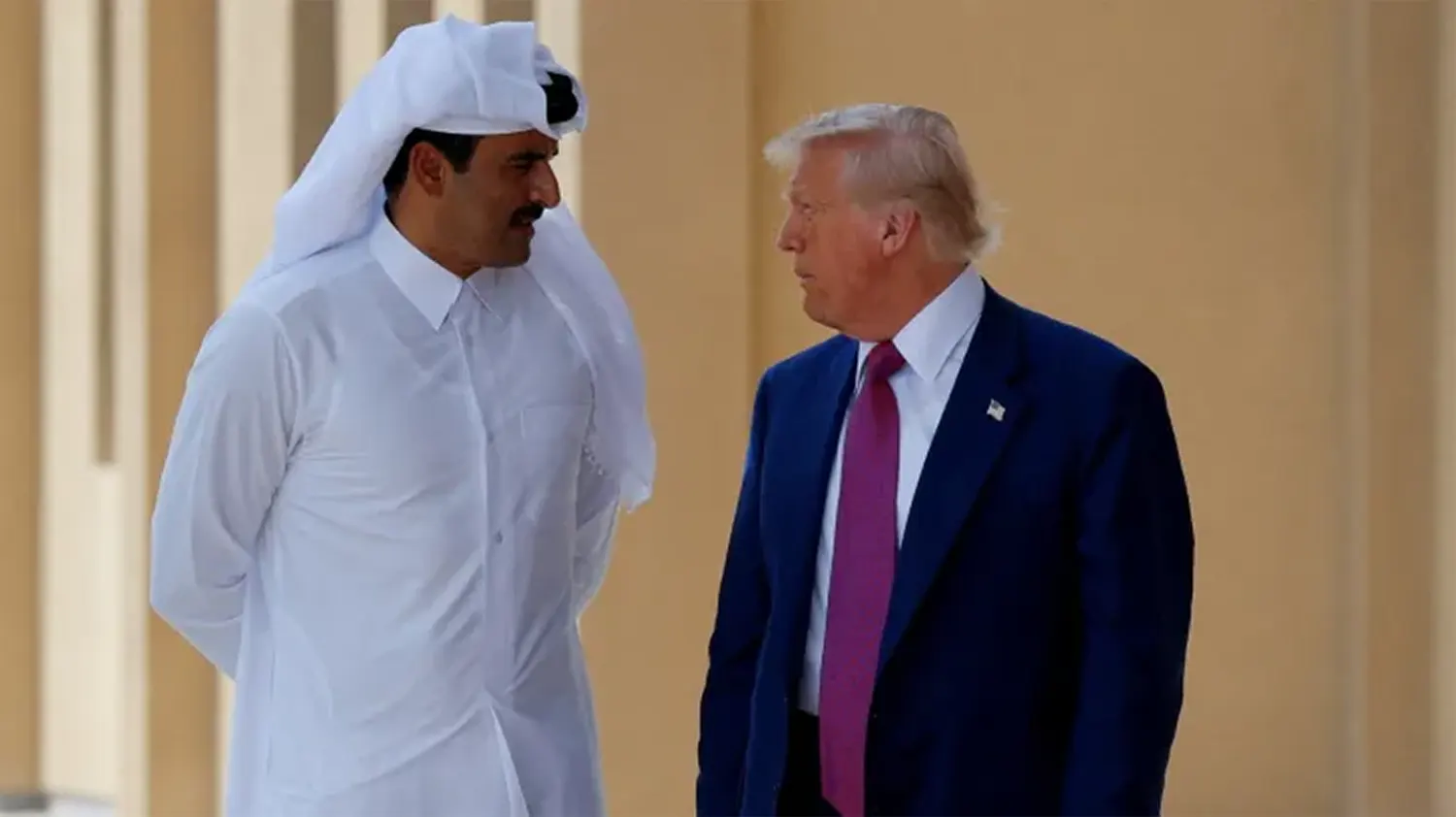
Trump hosted Qatari Prime Minister Mohammed bin Abdulrahman Al Thani during meetings in New York, which both sides later described as constructive.
Vice President J.D. Vance and Secretary of State Marco Rubio also met with Qatari officials to reaffirm Washington’s support for Qatar’s role as a regional mediator.
The rapid diplomatic response reflected how strategically important Qatar remains for U.S. operations and regional negotiations.
Gulf Nations Begin Reassessing Regional Alliances
The Israeli strike has also intensified broader concerns across the Gulf about regional security and American reliability.
Even countries that normalized ties with Israel in recent years, including the UAE and Bahrain, joined criticism of the attack.
Political analysts say the incident could push some Gulf states to reconsider their long-term dependence on U.S. leadership and security guarantees.
The growing uncertainty may also create opportunities for rival powers like China and Russia to strengthen influence in the region through new diplomatic and defense partnerships.
Gaza Ceasefire Talks Near Collapse
Before the strike, Qatar had been deeply involved in efforts to negotiate a long-term ceasefire between Israel and Hamas alongside Egypt and the United States.
Those talks now appear to be in serious danger.
Prime Minister Al Thani warned that the attack had effectively destroyed hopes for an immediate diplomatic breakthrough.
The comments reflected growing frustration inside Qatar over what officials see as a direct attack on mediation efforts.
If negotiations fully collapse, fears are rising that violence in Gaza could intensify further in the months ahead.
Trump’s Middle East Strategy Faces New Pressure
The crisis also threatens one of Trump’s biggest foreign policy goals: expanding the Abraham Accords.
The administration had been working to convince additional Arab nations, especially Saudi Arabia, to normalize relations with Israel.
However, the Doha strike has reignited anger across the Arab world and complicated those efforts.
The incident highlights how fragile normalization remains without broader progress on the Israeli-Palestinian conflict.
A Defining Moment for Regional Diplomacy
The Israeli strike in Doha may become a turning point for Middle East diplomacy.
It exposed the fragile balance between military operations, regional alliances, and international mediation efforts.
It also revealed how quickly diplomatic trust can unravel when sovereignty and security collide.
As tensions continue to rise, governments across the region are now reassessing both alliances and strategies in an increasingly unstable geopolitical environment.
For many observers, the attack did not just damage a building in Doha, it deeply damaged already fragile hopes for peace.