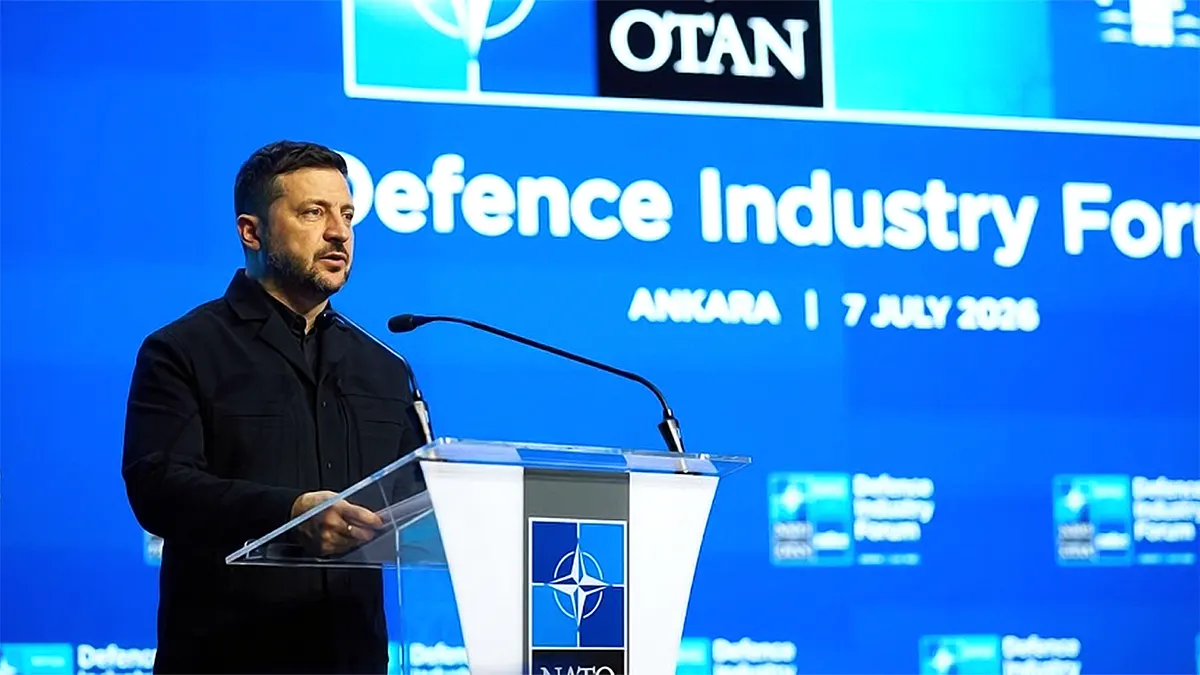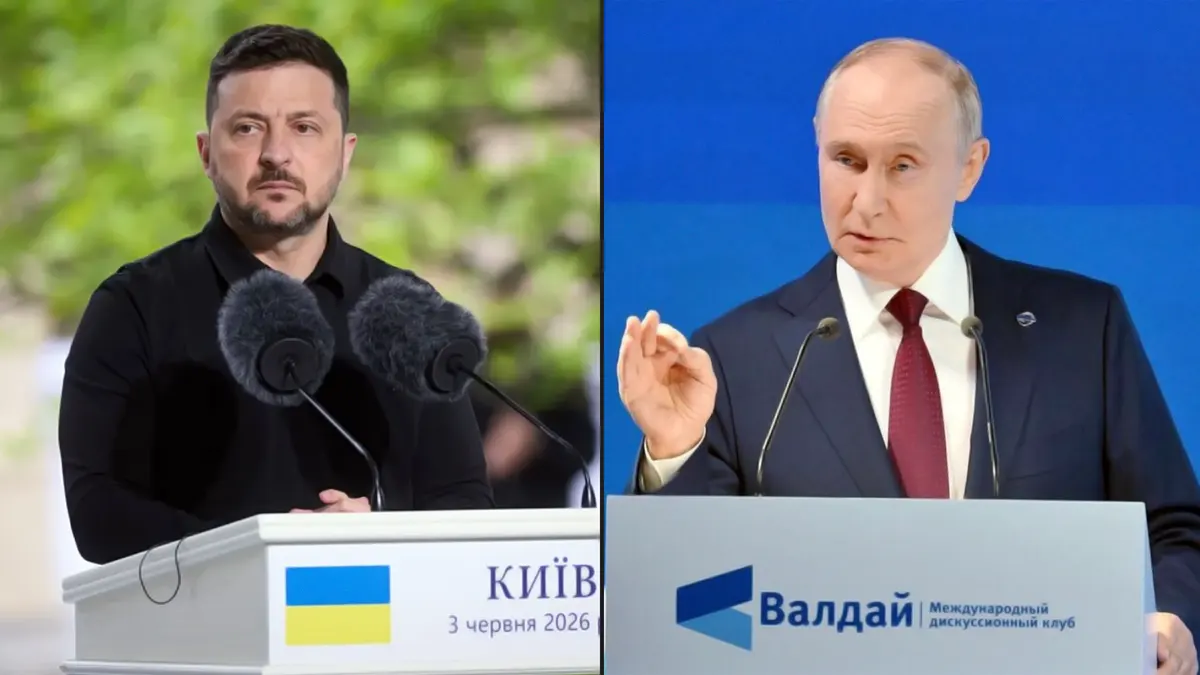
On June 4, 2026, Ukrainian President Volodymyr Zelensky did something few world leaders do: he wrote a formal, public letter directly to his enemy.
Not a press statement. Not a speech to a friendly crowd. A lengthy, bluntly worded open letter published on the official Ukrainian presidency website addressed personally to Vladimir Putin. It lays out a concrete framework to end a war now grinding through its fifth year, and it doesn’t pull its punches.
Zelensky Skips the Middlemen and Goes Straight for Putin
The most striking thing about the letter isn’t just what it says, it’s how it’s structured. Rather than routing a peace overture through the United States, the EU, or the UN, Zelensky bypassed every international intermediary and spoke directly to the man he holds responsible for the conflict.
The core proposal is straightforward: a face to face summit between the two leaders, held at a neutral venue. Zelensky specifically named Switzerland, Türkiye, or an Arab nation, and was blunt about why neither capital would do stating that neither leader has any business visiting the other’s city right now.
To get Russia to the table, Zelensky offered significant opening terms: a full ceasefire along current front lines (with the United States as monitor), a comprehensive “all for all” prisoner exchange, and the immediate return of all displaced civilians and deported Ukrainian children.
These aren’t small concessions to offer before talks even begin.
The Letter Is Also a Personal Verdict on Putin’s Rule
A large section of the document reads less like a diplomatic proposal and more like a historical indictment. Zelensky systematically dismantles Russia’s justifications for the invasion, framing the war as a deeply personal and deeply flawed legacy decision by Putin.
On the question of cause, Zelensky wrote plainly: whatever justifications Putin cites NATO expansion, geopolitics, the Russian language, this is ultimately “a war without a real cause,” and that is how history will record it.
He pointed to Russia’s fracturing economic stability, rising public fatigue over prices and the looming threat of a second mobilization wave, and the fact that Putin has now spent nearly half his entire time in power waging war against Ukraine. He also cited Ukraine’s growing military reach specifically referencing recent Ukrainian drone strikes on infrastructure in St. Petersburg, over 1,000 kilometers away and claimed Russian battlefield losses in May alone exceeded 30,000 men.
The closing lines of the letter carry an unmistakable warning. Zelensky cited intelligence reports that Russia is planning for the war to continue through 2027 and 2028, and reminded Putin of a recurring pattern in Russian history: when Russia grows exhausted by war, internal leadership changes follow. The message was direct “you can stop your war.”
Moscow’s Reply: Come to Moscow, or Accept Anchorage
The Kremlin acknowledged the letter. Spokesperson Dmitry Peskov said it would be reviewed then immediately deflected, saying that if Zelensky wants a meeting, he should come to Moscow.
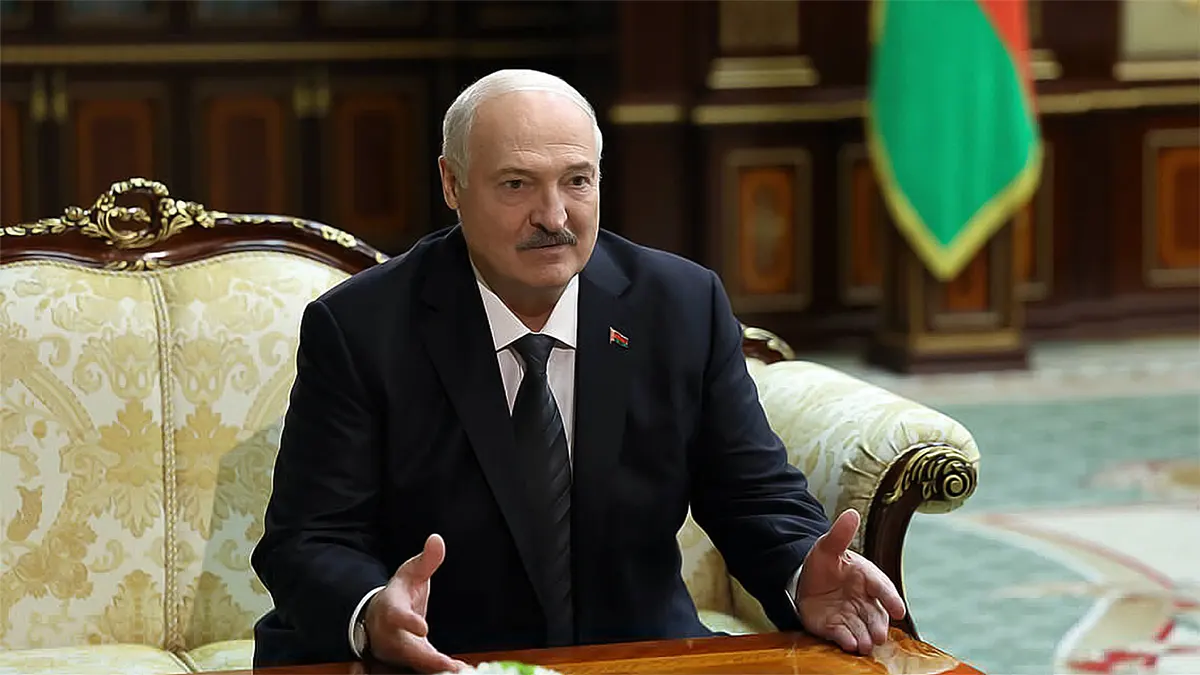
Putin himself, speaking at the sidelines of the St. Petersburg International Economic Forum (SPIEF), offered his own version of a peace offer: Russia is ready to end the conflict, but only on terms already discussed with Donald Trump at the Anchorage Summit held in August 2025.
That summit, a historic bilateral meeting between Trump and Putin at a military base in Alaska produced what is now being referred to as the “Anchorage framework.” Its reported terms would have Russia retain full control of the Donbas region (both Luhansk and Donetsk oblasts), with a potential freeze along current front lines in Zaporizhzhia and Kherson. Putin’s message to Kyiv was clear: “Russia agrees to those compromises we discussed in Anchorage. The Ukrainian side must also agree. Then the conflict will quickly come to a natural conclusion.”
Zelensky had anticipated exactly this response. His letter included a direct rebuttal: “Ukrainian and European issues are not decided in Anchorage.” Trump cannot hand away Ukrainian territory, Zelensky argued, and any durable resolution must come directly between Ukraine and Russia not through backroom deals between Washington and Moscow.
Where Trump Stands And Why That Matters
Donald Trump responded to the letter by calling a potential Zelensky-Putin meeting “great,” saying both sides should meet and resolve things themselves. It was characteristic Trump: broadly supportive, but not exactly a concrete endorsement of Zelensky’s specific framework.
The context matters here. Zelensky’s letter was timed likely deliberately around Washington’s current preoccupation with the Iran situation. By publicly proposing direct bilateral talks and handing the U.S. only a monitoring role in any ceasefire, Zelensky positioned Ukraine as capable of driving its own peace process. It plays into exactly what Trump wants: the warring nations handling the heavy lifting while Washington steps back.
Russian Foreign Minister Sergei Lavrov, however, expressed frustration, noting that what started as constructive engagement with the Trump administration has since stalled with Moscow grumbling that “Biden’s war” has simply become “Trump’s war.”
The fundamental disagreement is now exposed clearly: Putin wants to negotiate Ukraine’s future with Washington. Zelensky wants to force Putin into the same room as Ukraine itself.
The World Reacts: Caution, Anxiety, and Eagerness to Host
The letter triggered immediate diplomatic responses across capitals.
Europe’s reaction was notably anxious. Zelensky’s line about Anchorage confirmed what many EU and NATO eastern-flank governments had feared that the future of European security architecture is being quietly negotiated between two superpowers without them. Baltic states and Poland, in particular, voiced concern that a ceasefire freeze without concrete security guarantees would simply give Russia time to consolidate territorial gains and prepare for a future offensive.
The potential host nations moved fastest of all. Türkiye, citing its role in brokering the 2022 Black Sea Grain Initiative, signaled it is ready to facilitate logistics immediately. Switzerland reiterated its status as a secure, neutral venue capable of hosting leader-level talks under international monitoring.
The international read right now is that Zelensky has put the ball firmly in Putin’s court. By offering a U.S.-monitored ceasefire and an immediate prisoner swap before substantive talks even begin, Ukraine has constructed a framework that is genuinely difficult for Moscow to dismiss without appearing categorically opposed to peace.
Whether Putin picks up the ball or leaves it there is the question the next few weeks will answer.