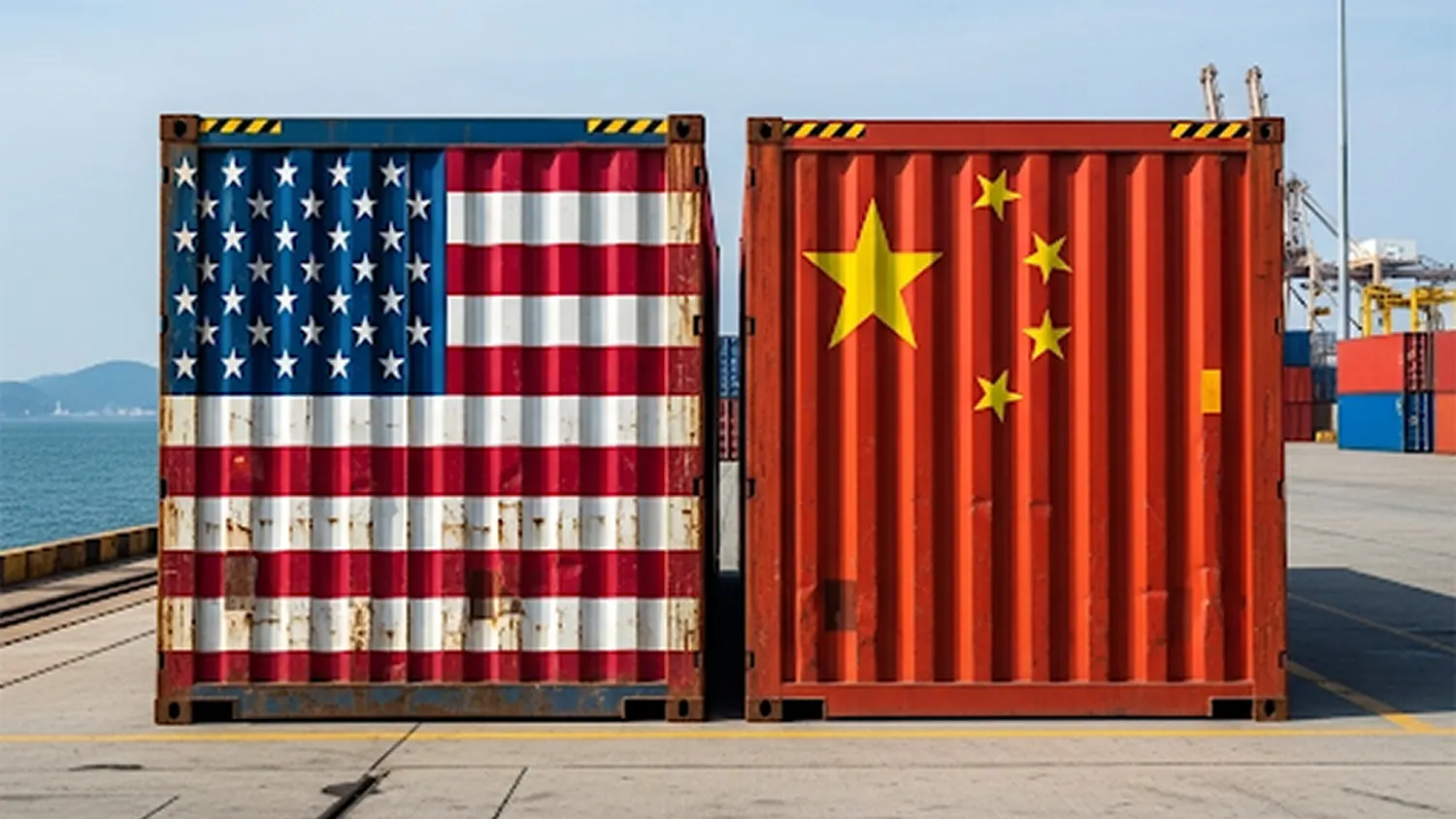
For months, businesses and markets have been bracing for the next escalation in the US–China trade war. Higher tariffs, disrupted supply chains, rising costs, it’s been a constant cycle of tension.
Now, there’s a temporary pause.
The United States has extended its trade truce with China by another 90 days, delaying a planned wave of tariff increases and giving both sides more time to negotiate. While the move brings short term relief, it also highlights a bigger reality: the core issues remain unresolved.
A Last Minute Decision That Avoids Escalation
The extension was announced just before a critical deadline, when new tariffs on a wide range of Chinese goods were set to take effect.
Instead, the decision offers:
- A 90 day delay on tariff hikes
- Continued space for high level negotiations
- A signal that both sides want to avoid immediate escalation
This isn’t the first pause in the conflict but it’s another sign that neither side is ready to push the situation to a breaking point.
Why This Trade Truce Matters Globally
The US and China aren’t just two countries in a dispute, they’re the world’s largest economies. What happens between them affects global trade, supply chains, and economic growth.
At the heart of the conflict are long standing issues:
- Trade imbalances
- Concerns over intellectual property protection
- Market access for foreign companies
Until these are resolved, the risk of renewed tension remains high.
A Lifeline for Businesses and Supply Chains
For companies that depend on cross border trade, this extension is more than political news, it’s a critical window of stability.
Tariffs can dramatically impact:
- Manufacturing costs
- Product pricing
- Long term supply chain planning
With the delay, businesses now have time to:
- Adjust sourcing strategies
- Manage inventory and pricing
- Reduce exposure to sudden policy shifts
In a volatile environment, even temporary predictability can make a significant difference.
Markets React with Optimism But Caution
Financial markets responded quickly and positively to the news.
Major indices in Asia, including Japan and Australia, saw gains some even reaching record highs. This reflects investor relief that a new wave of tariffs has been avoided.
However, analysts remain cautious.
The optimism is based on what didn’t happen, not on a final resolution. Without a long term agreement, markets could quickly reverse course if negotiations stall.
What’s Still on the Table
Despite the extension, key sticking points remain unresolved. Negotiations are expected to focus on:
- Stronger intellectual property protections
- Improved market access for US companies
- Addressing the trade balance gap
These are complex issues with deep economic and political implications meaning progress may be slow and uncertain.
A Temporary Pause, Not a Permanent Solution
It’s important to understand what this truce really represents.
This is not a resolution. It’s a strategic pause.
Both Washington and Beijing are buying time time to negotiate, time to assess economic impact, and time to avoid immediate disruption.
But without concrete agreements, the underlying tensions could easily resurface.
What Comes Next for the Global Economy
As the 90 day window unfolds, attention will shift to the progress of ongoing talks.
Businesses, investors, and policymakers will be watching closely for signs of:
- Meaningful negotiation breakthroughs
- Further extensions or escalation
- Clear direction on long-term trade policy
For now, the extension offers breathing room. But the bigger question remains:
Can the world’s two largest economies turn a temporary truce into lasting stability?
The answer will shape not just their relationship but the future of the global economy.