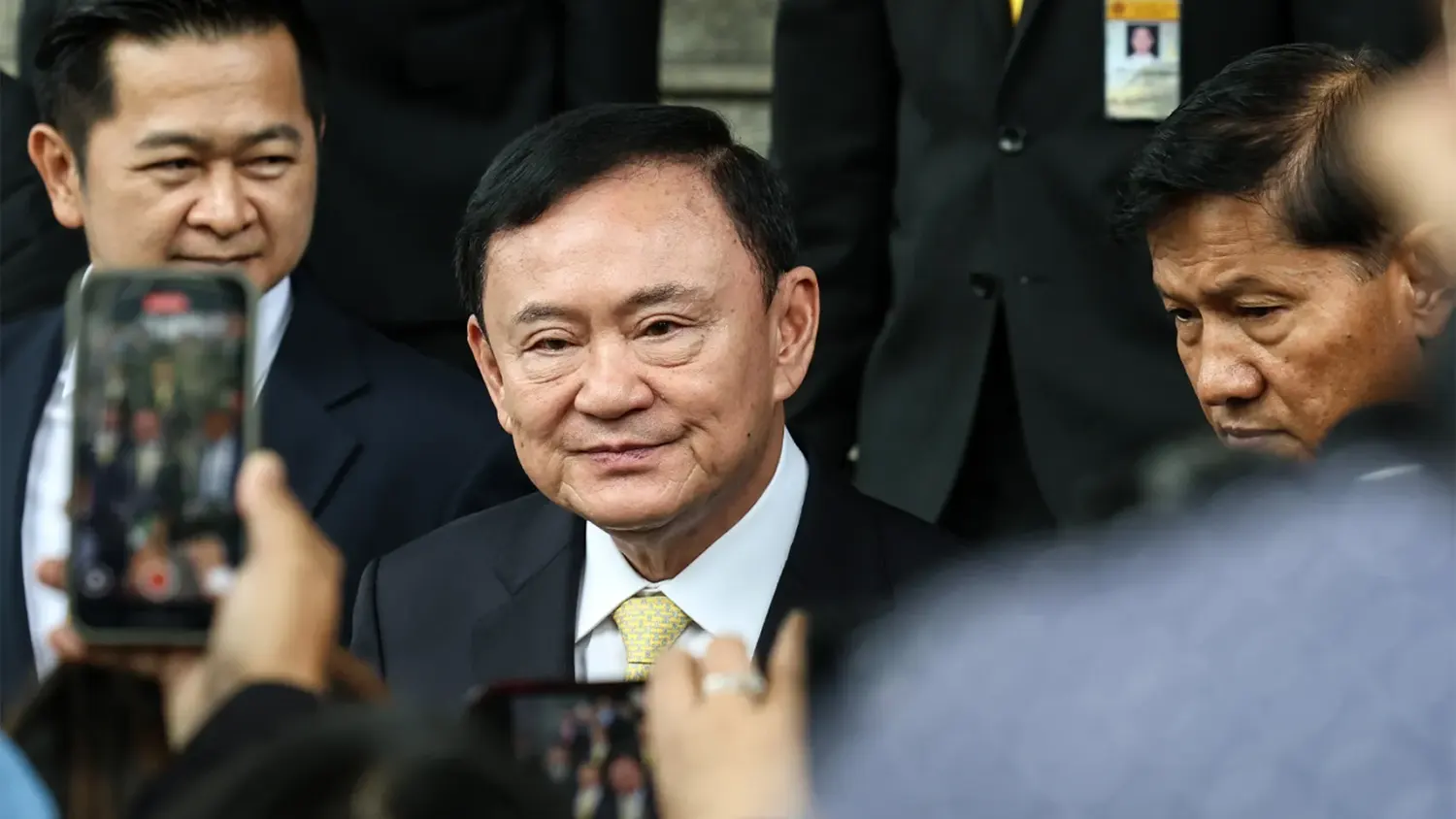
Former Thai Prime Minister Thaksin Shinawatra has been cleared of a royal defamation charge that could have sent him to prison for up to 15 years, a major legal victory for one of Thailand’s most powerful and polarizing political figures.
The Bangkok Criminal Court dismissed the case, with the court finding that the prosecution’s evidence was insufficient and that the interview at the center of the complaint lacked proper context. Thaksin’s lawyer went further, suggesting the charge may have been politically motivated from the start.
Walking out of the courtroom with a smile, Thaksin offered just one word to the waiting press: “Dismissal.”
What Was the Case About?
The charge stemmed from comments Thaksin made to journalists in South Korea in 2015. Prosecutors alleged his remarks violated Thailand’s lese-majeste law known as Section 112 one of the strictest royal defamation laws in the world.
Under Section 112, anyone who “defames, insults or threatens” the Thai monarchy can face three to 15 years in prison per count. It’s a law that has been used repeatedly in Thailand’s political conflicts, and critics have long argued it is wielded selectively against political opponents.
The court’s dismissal means Thaksin walks free at least on this charge.
Who Is Thaksin Shinawatra?
If you’re unfamiliar with Thai politics, Thaksin is essentially the figure everything else revolves around.
He was twice elected Prime Minister in the early 2000s, building a massive base of support particularly among rural and working class Thais through populist policies. But his tenure was deeply controversial, and in 2006 he was removed in a military coup.
Rather than face prosecution, Thaksin spent 15 years in self imposed exile abroad. He finally returned to Thailand in 2023 on the very same day his family’s political party,
Pheu Thai, formed a new government. The timing was not lost on anyone.
Despite holding no official government position, he is widely regarded as the real power behind the current administration.
The Shinawatra Family’s Legal Troubles Are Far From Over
The acquittal is a win, but it’s only one chapter in an ongoing legal saga for the Shinawatra family.
His daughter, Paetongtarn Shinawatra, is currently serving as Prime Minister but her position is in serious jeopardy. She has been suspended from her duties since July 1, and a Constitutional Court ruling expected next week could permanently remove her from office. The case against her involves an alleged ethical breach tied to a leaked phone call with a Cambodian official.
As for Thaksin himself, he still has another legal battle ahead. The Supreme Court is set to rule in September on whether his six-month stay in a hospital in 2024 should count as time served for a previous corruption conviction. If the court rules against him, he could be sent back to prison.
Thailand’s Ongoing Power Struggle
Thaksin’s acquittal is more than just a personal legal outcome, it’s another flashpoint in Thailand’s long running political conflict.
For over two decades, Thai politics has been defined by a deep divide between two camps. On one side, the Shinawatra aligned populist movement, which draws its strength from rural voters and working-class communities. On the other, Thailand’s pro military and pro monarchy establishment, which has repeatedly used the courts and the military to push back against Shinawatra influence.
The pattern has been consistent electoral victories followed by legal challenges or military intervention. Analysts say the upcoming court rulings on both Thaksin and his daughter will be critical in determining which direction Thailand’s political future takes.
For now, Thaksin’s supporters celebrated outside the courthouse. But in Thai politics, today’s victory rarely means tomorrow is safe.