In today’s connected world, health threats can emerge quickly and spread even faster.
Recent reports of a Nipah virus outbreak in Kerala, India, are a reminder that infectious diseases remain a real and present danger.
While the outbreak may feel distant, the reality is simple: awareness and prevention are our strongest defenses. Understanding how this virus works and how to avoid it can
make all the difference.
What Is Nipah Virus?
At its core, Nipah virus is rare but extremely dangerous.
It is a zoonotic disease, meaning it can pass from animals to humans.
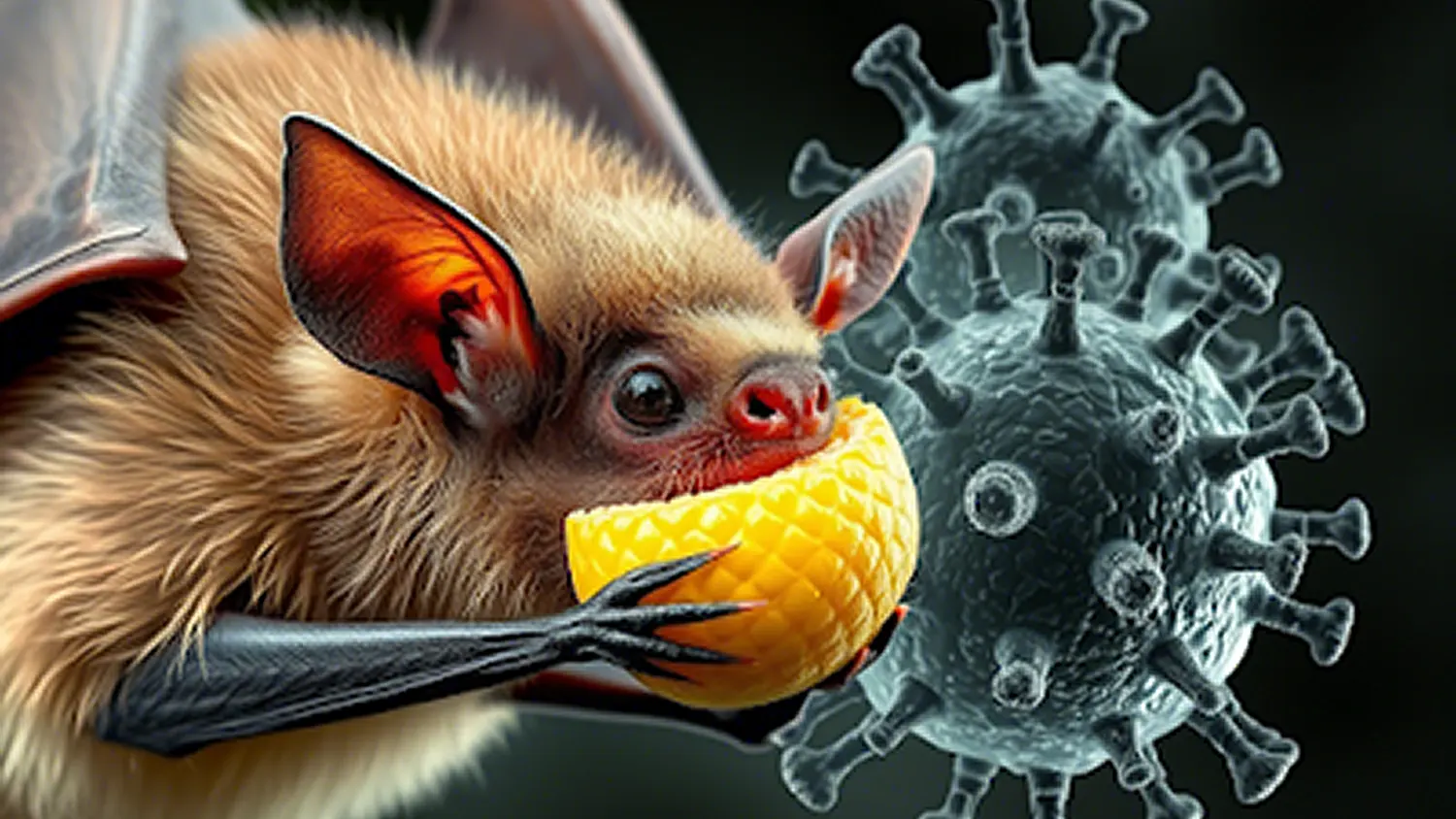
The primary carriers are fruit bats, especially those commonly found across South and Southeast Asia. In some cases, animals like pigs can also become infected and pass the virus to humans, particularly in farming environments.
This ability to jump between species is what makes Nipah especially concerning.
How the Virus Spreads
Understanding how Nipah spreads is key to staying safe.
Most infections begin with direct or indirect contact with infected animals. This can happen through exposure to bat saliva, urine, or contaminated environments.
Food can also become a hidden source of risk.
In past outbreaks, people have been infected after consuming fruits or raw date palm sap contaminated by bats. Even something as simple as unwashed fruit can carry danger if it has been exposed.
In more serious cases, the virus can spread between people.
Close contact with an infected person especially in caregiving or medical settings can lead to transmission. This is why outbreaks often place healthcare workers and family members at higher risk.
Symptoms: Why Nipah Is So Dangerous
What makes Nipah particularly alarming is how quickly it can escalate.
Symptoms often begin like a common illness fever, headache, fatigue, and nausea.
But in many cases, the situation worsens rapidly. The virus can attack the brain, causing encephalitis, a severe and often life threatening condition.
Patients may experience confusion, seizures, and loss of consciousness, sometimes progressing to coma within just 24 to 48 hours.
The fatality rate is high, ranging from 40% to 75%. Even survivors may face long term neurological complications, including memory loss and persistent health issues.
This is not just an illness, it is a medical emergency.
Why Prevention Matters More Than Ever
Unlike many other diseases, Nipah has one critical challenge:
There is currently no approved vaccine or specific treatment.
Medical care focuses on managing symptoms rather than curing the infection. Because of this,
prevention is not just important, it is essential.
Simple Habits That Can Protect You
The good news is that many preventive steps are straightforward and effective.
Avoiding contact with bats and sick animals is one of the most important precautions. This includes staying away from areas where bats are known to gather.
Food safety also plays a crucial role.
Washing and peeling fruits thoroughly, and avoiding raw or potentially contaminated foods, can significantly reduce risk. Foods like raw date palm sap, which have been linked to past outbreaks, should be avoided entirely.
Personal hygiene remains a powerful tool.
Regular handwashing especially after contact with animals or outdoor environments helps prevent transmission.
For those traveling to affected areas, awareness becomes even more critical.
Following local health guidance and seeking medical attention at the first sign of symptoms can help contain the spread.
The Bigger Picture
The Nipah outbreak is not just a local issue, it reflects a broader global reality.
As human populations expand and interact more closely with wildlife, the risk of zoonotic diseases continues to grow.
Outbreaks like this highlight the importance of strong health systems, rapid response, and public awareness.
But they also remind us of something more personal:
our daily habits what we eat, how we clean, and how aware we are, play a direct role in protecting our health.
The Bottom Line
Nipah virus may be rare, but its impact can be devastating.
- It spreads through animals, food, and close human contact
- It progresses quickly and can be life threatening
- There is no vaccine, making prevention critical
Staying informed is the first step. Acting on that knowledge is what truly keeps you safe.
In a world where outbreaks can happen quickly, awareness is not optional, it’s essential.