A quiet village in Sudan has become the latest symbol of a growing humanitarian disaster.
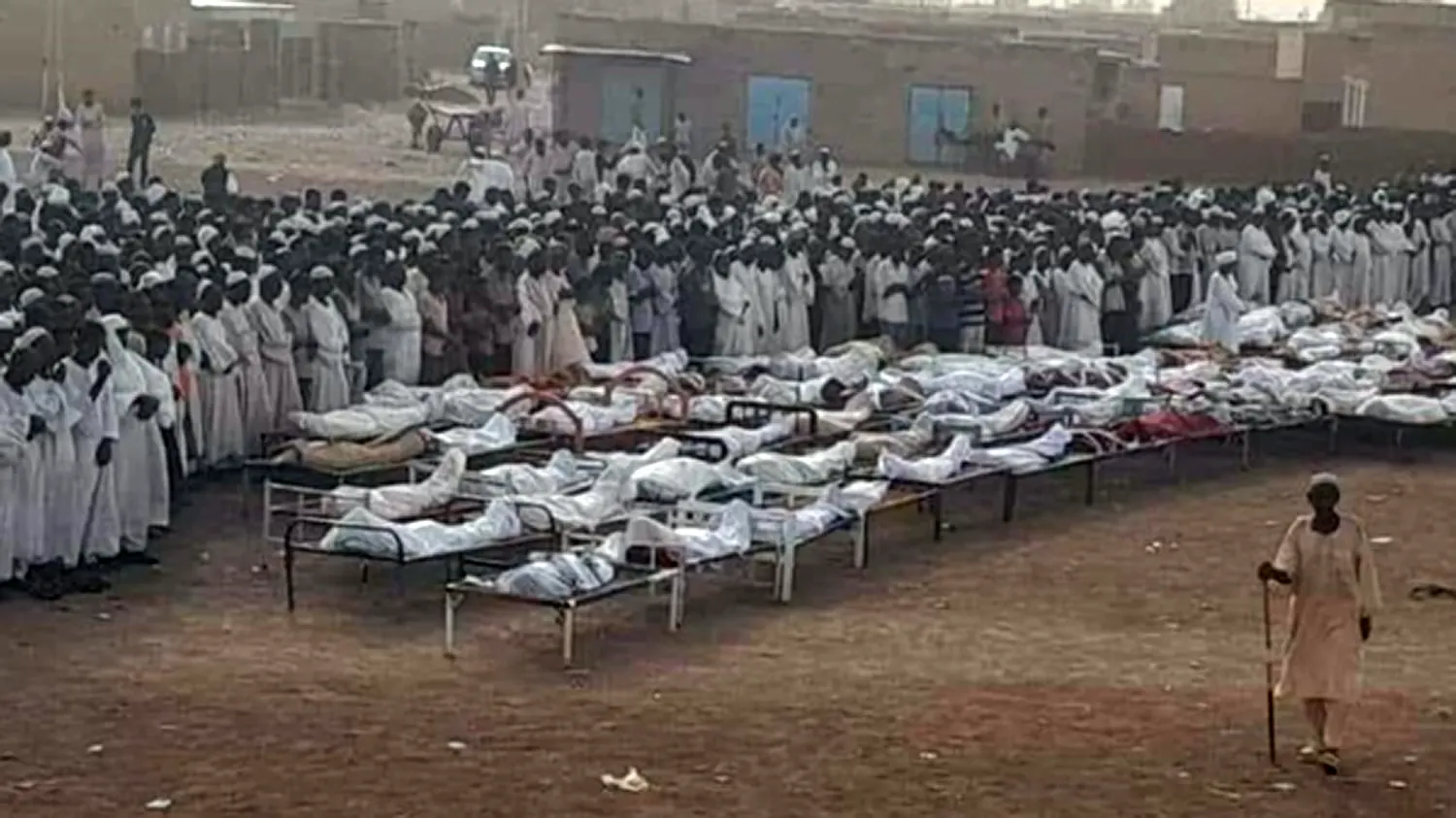
In July 2025, Um Garfa in North Kordofan was the site of a deadly attack that killed at least 48 civilians. What happened here is not an isolated incident, it reflects a wider and more dangerous shift in Sudan’s ongoing conflict.
As violence spreads beyond cities and into rural communities, civilians are increasingly caught in the crossfire. Here’s what we know about the Um Garfa massacre, and why it matters.
What Happened in Um Garfa?
On July 13, 2025, fighters from the Rapid Support Forces (RSF) launched a coordinated assault on the village.
Witnesses describe a “scorched earth” attack, meaning the goal was not just to fight but to destroy.
Key details from the attack:
- At least 48 people were killed, including women and children
- Reports confirm pregnant women were among the victims
- Homes and essential supplies were destroyed
- Grain stores were burned, cutting off food sources
- Water wells were damaged, making survival nearly impossible
This was not just an attack, it was a deliberate effort to make the village unlivable.
Why Um Garfa Is Strategically Important
Um Garfa’s location helps explain why it was targeted.
The village sits:
- About 90 km north of Bara
- Along a key road leading to Khartoum, Sudan’s capital
This route is critical for military movement and supply lines.
Experts believe the RSF is targeting villages like Um Garfa to:
- Disrupt Sudanese Army supply routes
- Create “no go zones” for civilians
- Expand control over rural territory
In simple terms, these attacks are part of a larger military strategy not random violence.
The Bigger Picture: Battle for Bara
The attack on Um Garfa is closely linked to the ongoing fight for the nearby city of Bara.
What’s happening in Bara:
- The Sudanese Armed Forces (SAF) are trying to retake the city
- Bara is a key logistics hub, making it highly valuable
How the RSF is responding:
- Facing pressure in cities, the RSF has shifted tactics
- They are now targeting rural communities instead of direct battles
This approach is known as asymmetric warfare where one side avoids direct
confrontation and instead weakens the opponent through indirect attacks.
A Pattern of Violence Across Villages
Um Garfa is not the only village affected.
Recent reports show a disturbing pattern of attacks:
- Shag Alnom: Over 200 people killed
- Hilat Hamid: At least 46 deaths
These incidents suggest a broader campaign targeting areas believed to support the army.
Entire communities are being wiped out or forced to flee.
A Growing Humanitarian Crisis
The violence is driving thousands of people from their homes.
According to international reports:
- Over 3,000 people fled in just one weekend (July 12–13)
- Many are heading to:
- Camps in the White Nile region
- Safer areas near Khartoum
But conditions remain extremely difficult.
Sudan is already facing:
- Mass hunger
- Widespread displacement
- Limited access to aid
This crisis is now considered one of the largest humanitarian emergencies in the world.
Why Aid Is Struggling to Reach People
Getting help to affected areas is becoming harder.
Major challenges include:
- Blocked access routes controlled by armed groups
- The rainy season, which damages roads and slows transport
- Ongoing insecurity for aid workers
As a result, many families are left without:
- Food
- Clean water
- Medical care
War Crime Concerns and Global Response
Legal and humanitarian groups are raising serious concerns.
The organization Emergency Lawyers has described the Um Garfa attack as:
“A full fledged war crime”
This is based on:
- Targeting unarmed civilians
- Destruction of essential survival resources
Despite this, the global response has been limited.
Most reactions so far include:
- Official condemnations
- Calls for restraint
But critics argue this is not enough.
“The silence surrounding the Kordofan massacres is a green light for further atrocities.”
What This Means Going Forward
The attack on Um Garfa marks a dangerous turning point.
It shows that:
- Civilians are increasingly being targeted
- Rural areas are becoming new frontlines
- The conflict is expanding, not slowing down
If this pattern continues, more villages could face similar attacks.
Key Takeaways: Why This Crisis Matters
- At least 48 civilians were killed in Um Garfa
- The attack was part of a larger military strategy
- Violence is spreading to rural communities
- Thousands are being displaced, worsening the crisis
- Aid access is limited, increasing the risk of famine and disease
Final Thoughts
The tragedy in Um Garfa is a stark reminder of how quickly conflict can devastate entire communities.
Behind every number is a family, a home, and a life disrupted or lost.
Staying informed is important but so is global awareness and action.
Because without attention and response, crises like this don’t just continue they grow.