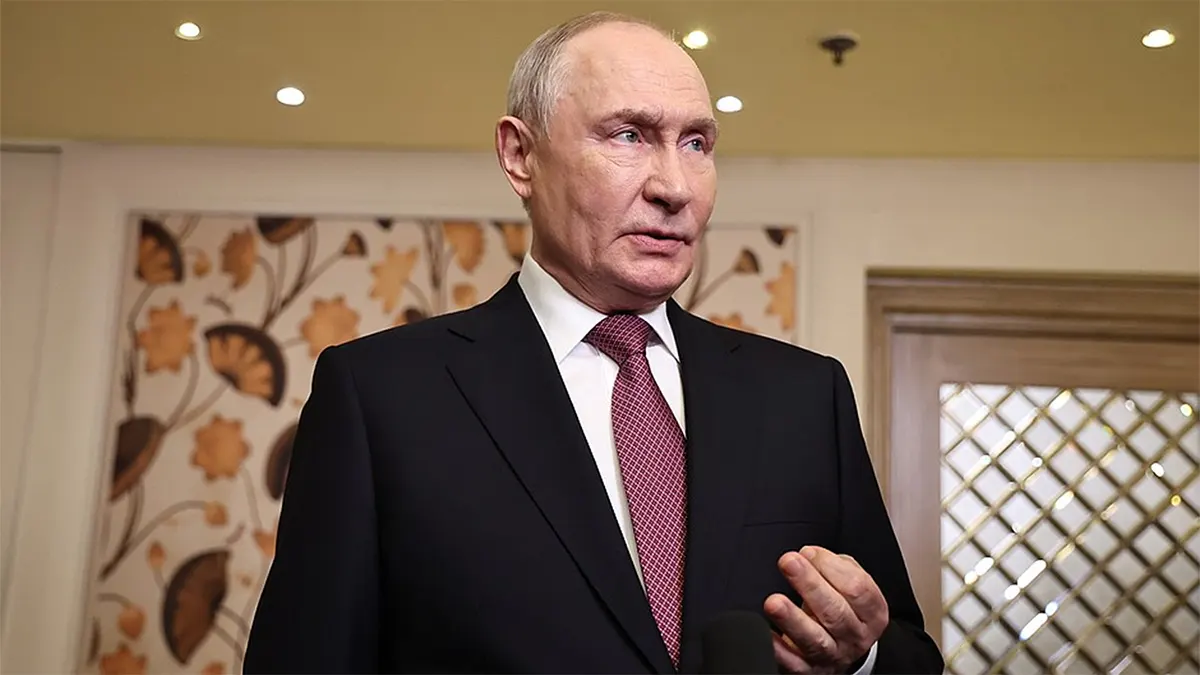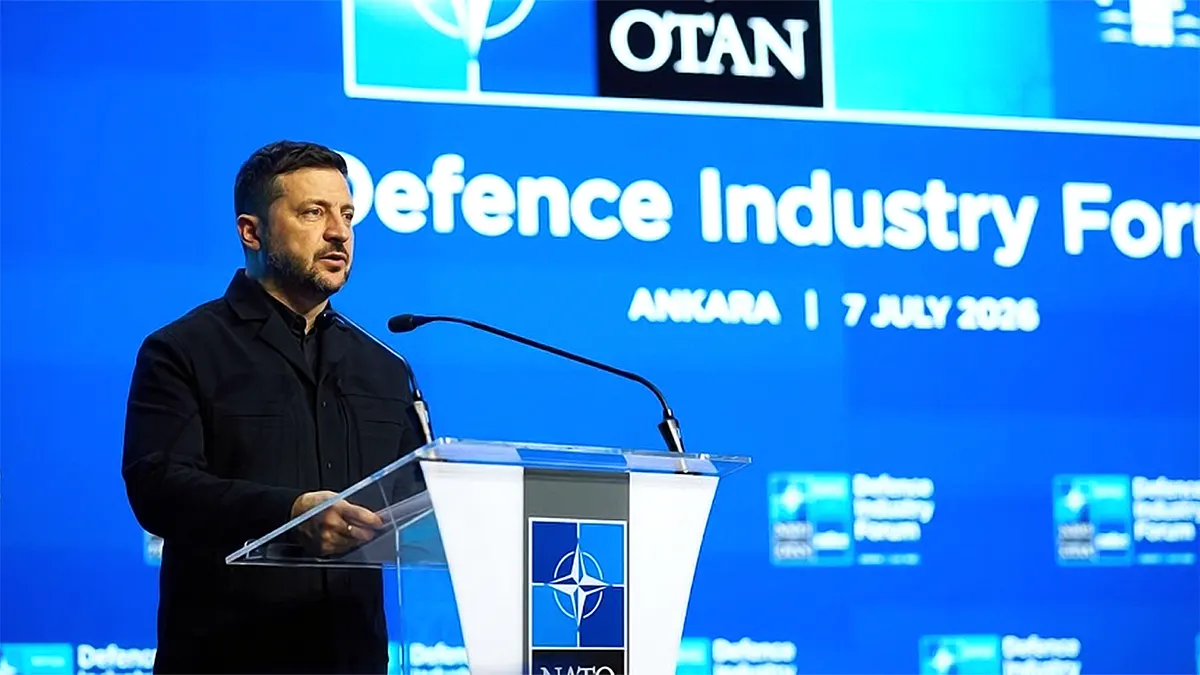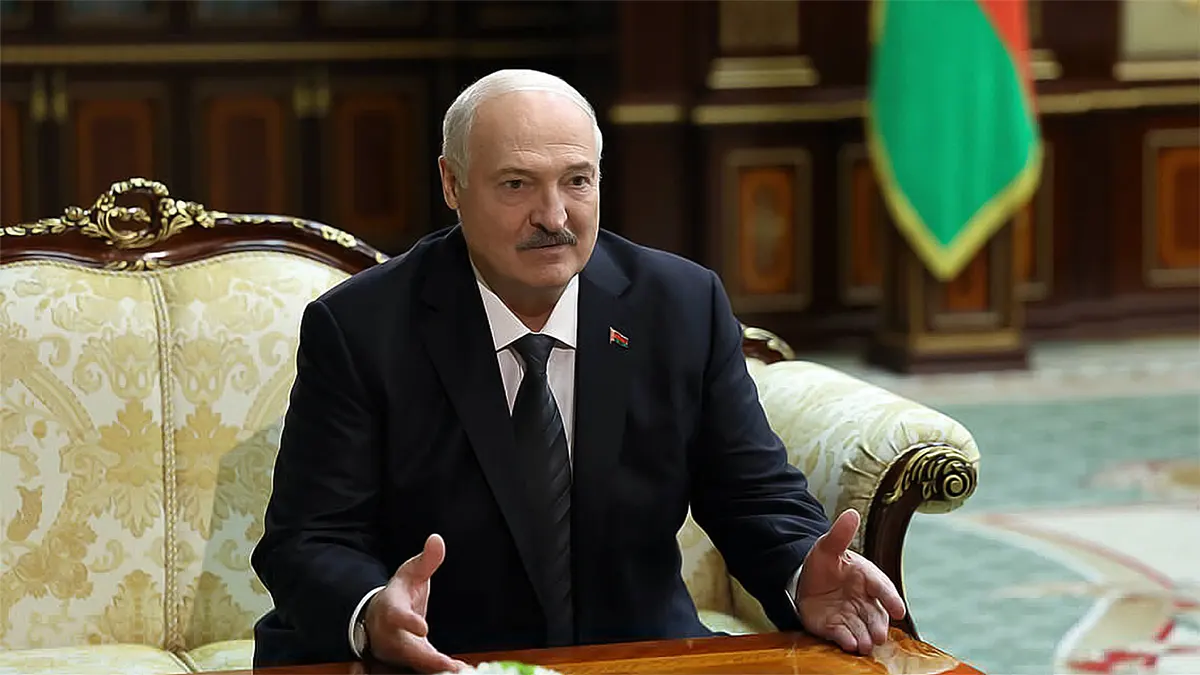
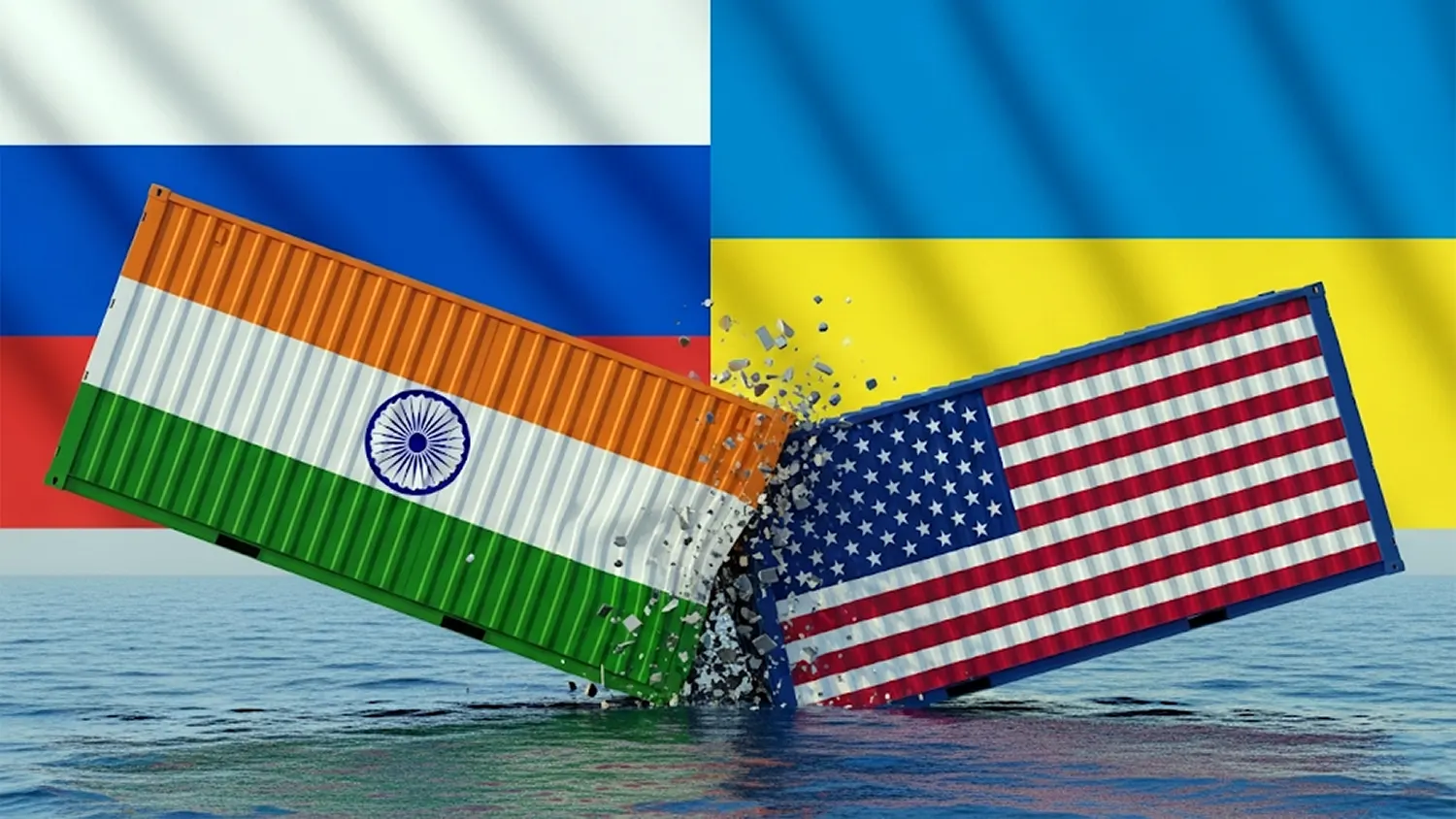
The Trump administration has opened a striking new front in its economic pressure campaign over the Ukraine war and this time, the target is not Russia. It is India.
In a move that has sent shockwaves through diplomatic circles, Washington has announced a doubling of tariffs on select Indian goods to 50%, effective August 27. The official justification: India’s continued purchase and resale of discounted Russian crude oil, which the White House argues is directly funding Moscow’s war machine.
It is an extraordinary step, one that places a key strategic partner in Washington’s crosshairs and raises urgent questions about the future of U.S.-India relations.
India as a “Global Clearinghouse” for Russian Oil
The Trump administration’s case against India is specific and pointed. According to the White House, India has effectively become a “global clearinghouse” for Russian energy buying heavily discounted Russian crude, refining it on Indian soil, and then reselling the finished petroleum products to third-party countries that have formally sanctioned Russia.
The administration calls this “profiteering”, a characterization that has infuriated New Delhi. Washington’s argument is that this chain of transactions, however commercially legitimate on paper, provides Russia with a critical financial lifeline and quietly undermines the entire architecture of the Western sanctions regime built to choke off Moscow’s war revenue.
The new 50% tariffs on certain Indian goods are designed to make that trade economically painful enough that India reconsiders. It is, in the language of international economic policy, a “secondary sanctions” approach punishing a third party for doing business with a sanctioned state.
Why Washington Is Willing to Risk the Relationship
The decision to target India, a country the U.S. has spent two decades carefully cultivating as a strategic counterweight to China reflects the Trump administration’s willingness to prioritize short-term pressure over long-term alliance management.
The White House has framed the tariffs not as a punishment but as a “necessary diplomatic tool”, a way to apply concentrated economic force on all parties connected to the conflict and accelerate a resolution. The administration has been explicit: it has no appetite for a prolonged diplomatic process and views economic leverage as the most direct path to forcing an outcome.
This approach is consistent with the broader “America First” foreign policy doctrine, one that treats economic coercion as a primary instrument of statecraft, even when the target is nominally an ally. The message from Washington is clear: no relationship is immune from economic pressure when the administration believes its strategic objectives demand it.
India’s Response: Firm, Forceful, and Unapologetic
New Delhi has not taken the tariffs quietly. The Indian government has issued a sharp and unambiguous rejection of Washington’s justification, labeling the sanctions “unfair, unjustified, and unreasonable.”
India’s core argument is straightforward: its energy import decisions are driven by the sovereign imperative to fuel a 1.4 billion-person economy, not by any desire to undermine Western foreign policy. Indian officials maintain that their oil purchases from Russia are legitimate market transactions conducted at a time when global energy markets remain volatile and India’s energy security needs are non-negotiable.
The government has pledged to take “all necessary steps” to defend its national interests against what it views as coercive economic bullying by Washington. That language unusually direct for the typically measured tones of Indian diplomacy signals just how seriously New Delhi is taking this challenge.
A Relationship Under Serious Strain
The tariff announcement lands at a particularly sensitive moment in U.S.-India relations. The two countries have invested heavily in building strategic, defense, and technology partnerships over the past decade driven largely by their shared concern about China’s growing power. The Quad framework, defense co-production agreements, and technology transfer deals have all been built on the foundation of a deepening bilateral relationship.
That foundation is now being tested. Imposing 50% tariffs on a strategic partner and publicly accusing it of bankrolling a war it has consistently refused to take sides in is not a routine diplomatic disagreement. It is a structural stress test for the relationship.
India has long maintained a carefully calibrated policy of strategic autonomy refusing to fully align with any single power bloc, maintaining ties with Russia inherited from the Cold War era while simultaneously deepening its engagement with the West. Washington has historically tolerated, if not celebrated, that balancing act. These tariffs suggest that tolerance may be running out.
What Comes Next
The tariffs take effect on August 27, giving both sides a narrow window for back channel negotiation before the measures bite. Whether India moves to reduce its Russian oil purchases, seeks a diplomatic carve out, or retaliates with measures of its own will define the next chapter of this standoff.
What is already clear is that the Ukraine war’s economic ripple effects have now reached one of the world’s most strategically important bilateral relationships and the consequences, for global trade, Asian geopolitics, and the sanctions regime itself, could be far reaching.
Washington has drawn a line. New Delhi has pushed back. And the world’s two largest democracies are now, unmistakably, on a collision course.