A Tragedy That Signals a Deeper Crisis
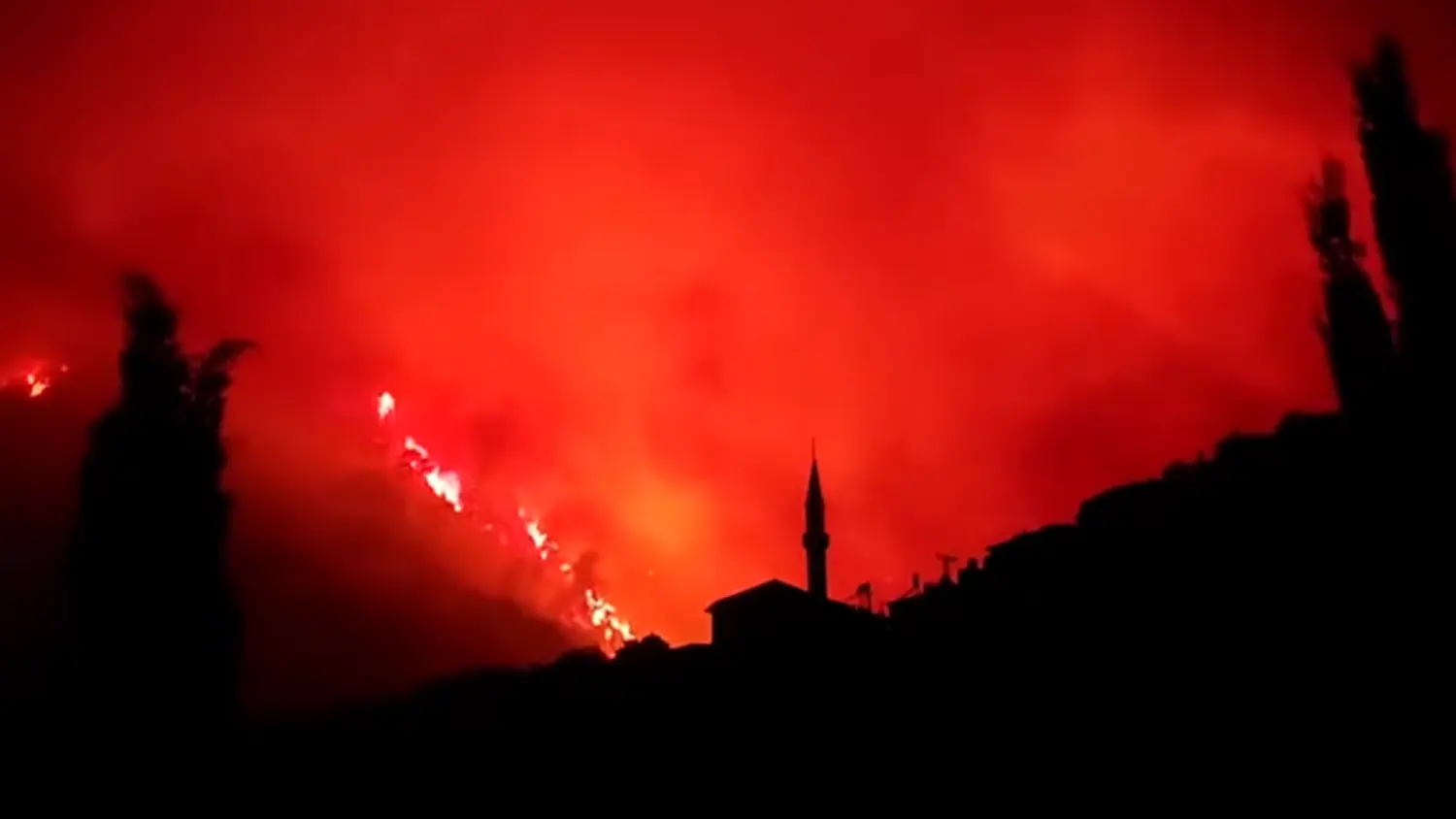
Turkey is facing one of its deadliest wildfire seasons in years and the consequences are becoming impossible to ignore.
A devastating blaze in Eskişehir has claimed the lives of ten rescue workers, shocking the nation and underscoring the growing danger posed by extreme heat and rapidly intensifying fires.
What happened is not just a tragic accident. It is a warning sign of a broader and escalating climate reality.
What Happened in Eskişehir: When Fire Turned Deadly
The disaster unfolded in a matter of minutes, leaving even experienced responders with no chance to escape.
Firefighters and volunteers were battling a fast moving wildfire under extreme heat conditions when sudden and unpredictable wind shifts transformed the blaze into a firestorm. The flames rapidly changed direction, forming what officials described as
a “wall of fire.”
Caught in its path, ten responders, five forestry workers and five members of
AKUT Search and Rescue Association lost their lives.
An additional fourteen rescuers were seriously injured and hospitalized, making this
one of the deadliest wildfire incidents in modern Turkish history.
A Nation in Mourning: The Human Cost Behind the Headlines
Beyond the statistics lies a profound human tragedy.
Among the victims was a 28 year old forestry worker who had returned to duty just days after his honeymoon. Stories like his have resonated across the country, highlighting the dedication and sacrifice of those on the front lines.
These were not just emergency responders. They were family members, friends, and community pillars, leaving behind grieving loved ones and a nation in shock.
As condolences poured in, Recep Tayyip Erdoğan honored the victims, emphasizing their courage in protecting lives and forests under extreme conditions.
Fires Spread: Evacuations Across Multiple Provinces
The Eskişehir tragedy is part of a much wider wildfire crisis unfolding across Turkey.
Fires have spread across several regions, including:
- Bilecik
- Karabük
- Sakarya
Across these areas, residents have been forced to evacuate under smoke-filled skies, often leaving behind homes, farms, and livestock.
For many rural communities, the damage goes beyond property. Entire livelihoods built
on agriculture and livestock have been destroyed in a matter of hours.
Why Wildfires Are Getting Worse: The Climate Factor
Experts point to a clear trend, wildfires in Turkey are becoming more intense, more frequent, and more dangerous.
Several factors are driving this shift:
Extreme heat has pushed temperatures far above seasonal norms, drying forests and turning vegetation into fuel. At the same time, prolonged drought conditions have weakened natural defenses, allowing fires to spread faster and burn hotter.
Adding to the danger are sudden wind shifts similar to those seen in wildfire prone
regions like California and Australia which can rapidly change a fire’s direction and intensity.
Unstable weather patterns are also increasing the likelihood of dry thunderstorms, which can ignite fires in already vulnerable landscapes.
According to Turkey’s meteorological authorities, this summer is already among the hottest in decades, significantly raising the risk of large scale wildfires.
Government Response: A Call for Vigilance
Officials are warning that the conditions facing firefighters are becoming increasingly unpredictable and dangerous.
Agriculture and Forestry Minister İbrahim Yumaklı stressed that extreme heat and volatile winds are complicating firefighting efforts across the country.
Authorities are urging the public to take extra precautions, particularly during peak heat periods. Activities such as open burning, outdoor grilling, or careless disposal of cigarettes can easily ignite fires under current conditions.
The message is clear: preventing new fires is just as critical as fighting existing ones.
Staying Safe: What Communities Can Do
As wildfire risks rise, preparedness is becoming essential for communities across Turkey.
Residents are encouraged to stay informed through updates from AFAD, which provides real time alerts and evacuation guidance.
Simple measures such as preparing emergency kits, clearing dry vegetation around homes, and limiting travel through forested areas can significantly reduce risk.
Equally important is protecting against smoke exposure, which can pose serious health risks even far from active fire zones.
In a season like this, awareness can save lives.
Conclusion: A Warning of What’s Ahead
The Eskişehir wildfire is more than a tragic event, it is a signal of a changing reality.
As climate conditions continue to intensify, Turkey is facing a future where extreme heat, drought, and fast moving fires become more common. The loss of ten responders is a stark reminder of the human cost of this shift.
What happens next will depend on how effectively the country adapts through preparedness, policy, and long term climate resilience.
Because in this new environment, wildfires are no longer rare disasters, they are becoming part of a new normal.