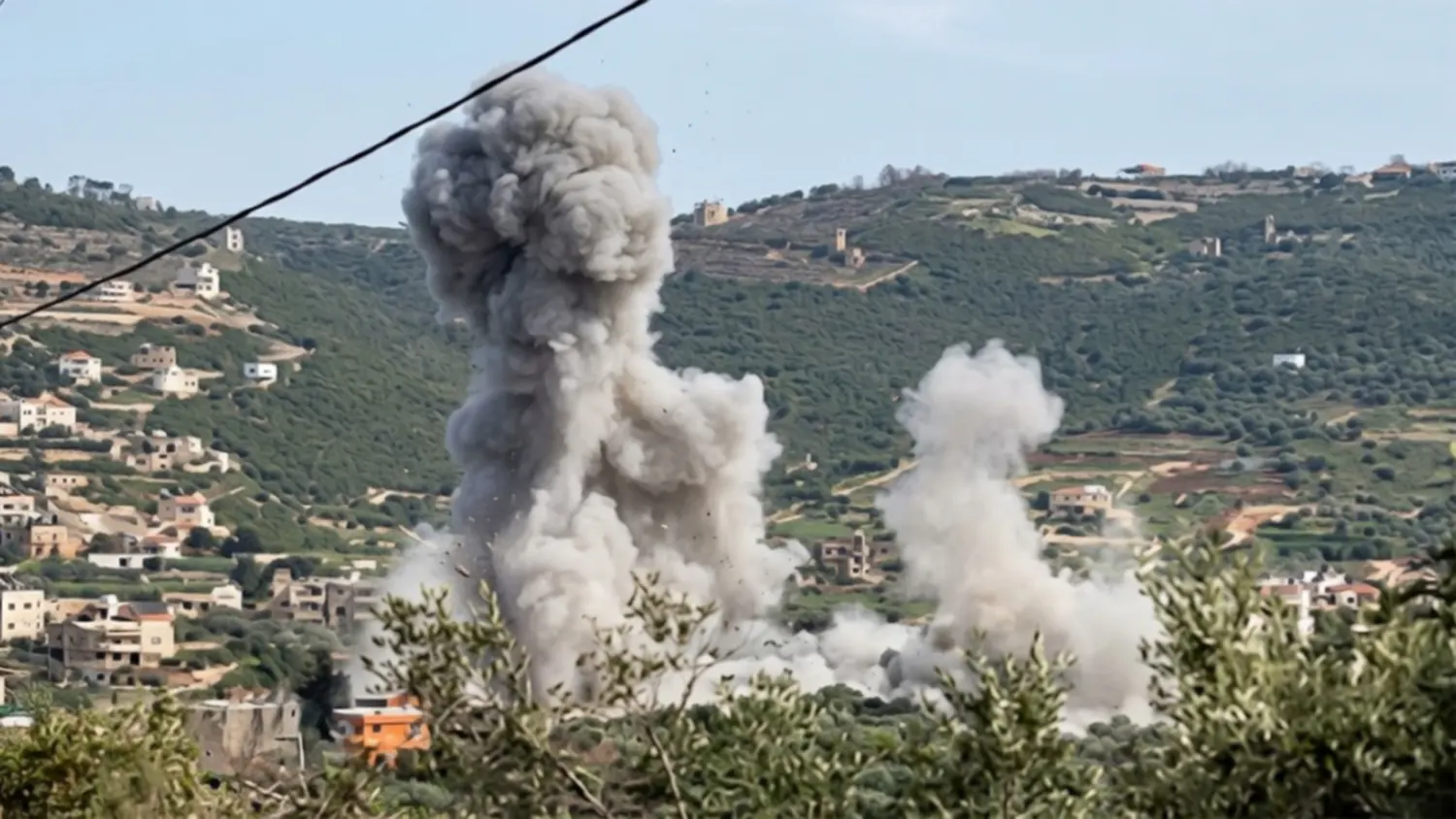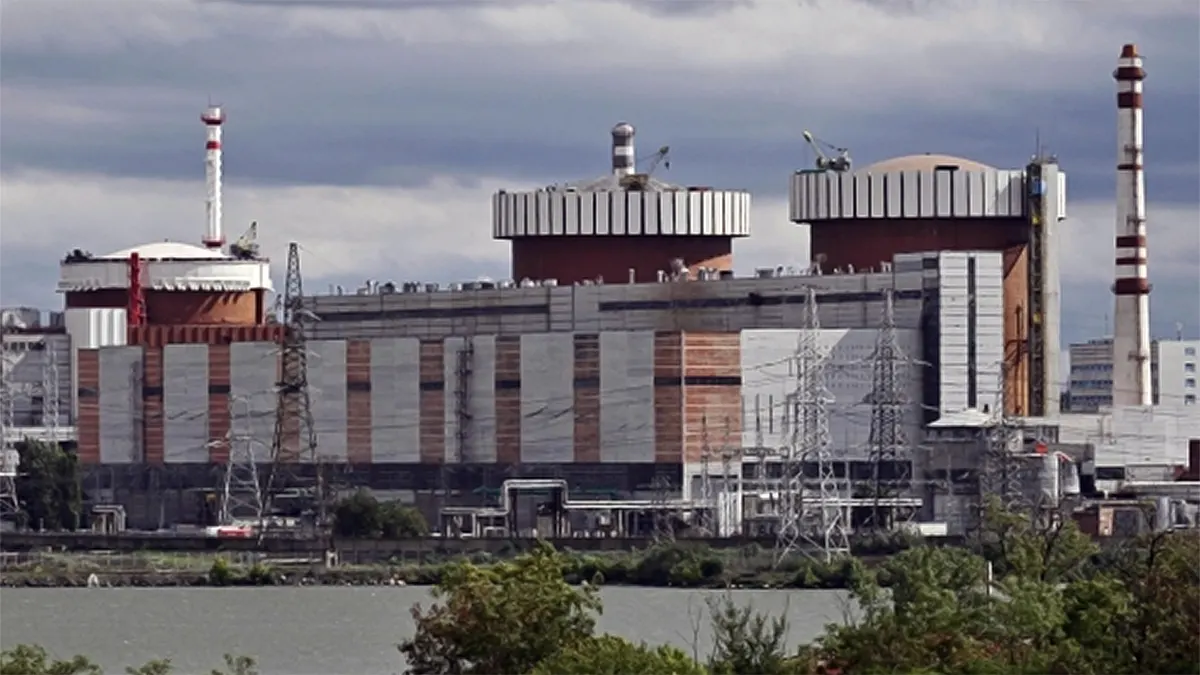
A drone explosion near Ukraine’s South Ukraine Nuclear Power Plant (SUNPP) has reignited concerns about the growing risks facing nuclear facilities during wartime.
The blast occurred on September 25, 2025, approximately 800 meters from the plant’s perimeter, highlighting how close military activity continues to come to critical energy infrastructure. Although the facility itself was not directly damaged, experts warn the incident serves as another reminder of how vulnerable nuclear sites remain amid ongoing conflict.
The event has also shifted attention beyond the widely discussed Zaporizhzhia Nuclear Power Plant, raising concerns about the safety of all operating nuclear facilities across Ukraine.
Drone Activity Brings Threat Uncomfortably Close
According to reports, the explosion created a crater measuring around four square meters and caused damage to nearby structures, including shattered vehicle windows.
What alarmed observers most was the reported drone activity in the area. Officials monitoring the site observed 22 unmanned aerial vehicles (UAVs) operating nearby, with some approaching within 500 meters of the nuclear facility.
While the plant’s reactors and critical systems were not hit, security experts note that such close-range activity significantly reduces the safety buffer typically maintained around nuclear installations.
The incident underscores how modern drone warfare can place strategic infrastructure at risk even without a direct strike on the facility itself.
Why Power Supply Remains a Critical Weak Point
One of the key concerns surrounding any military activity near a nuclear plant is the potential impact on external power infrastructure.
Reports indicate that a nearby 150-kilovolt power line suffered damage during the incident. Although the line was not directly connected to the plant’s most critical safety systems, experts emphasize that stable electricity remains essential for nuclear safety.
Even when reactors are not actively generating power, cooling systems must continue operating to prevent overheating of reactor cores and spent fuel storage areas.
If external electricity supplies are interrupted for an extended period, facilities must rely on emergency backup generators. While these systems provide an important safeguard, they are not intended as a permanent solution.
The situation has drawn additional attention because the Russian-controlled Zaporizhzhia Nuclear Power Plant has reportedly experienced multiple periods without external power since the conflict began, highlighting the broader vulnerability of nuclear infrastructure in war zones.
International Watchdogs Sound the Alarm
The incident prompted renewed warnings from international nuclear safety officials.
International Atomic Energy Agency (IAEA) Director General Rafael Grossi described the event as a serious reminder of the dangers facing nuclear facilities during armed conflict. He warned that future incidents could have more severe consequences if military activity continues near these sites.
For years, the IAEA has advocated for the creation of dedicated safety and security zones around Ukraine’s nuclear power plants. The goal has been to establish protected areas where military operations would be restricted.
However, efforts to reach a lasting agreement have faced significant challenges, leaving many facilities exposed to the risks created by nearby fighting and drone operations.
How Drone Warfare Is Changing Nuclear Security
The growing use of drones has introduced new security challenges that traditional nuclear protection systems were not originally designed to address.
Unlike conventional military strikes, drones can be launched quickly, travel at low altitudes, and operate in large numbers. Their flexibility makes them difficult to detect and intercept, particularly when multiple aircraft are involved.
Experts say that while nuclear reactors are protected by heavily reinforced structures designed to withstand significant impacts, supporting infrastructure may be more vulnerable.
Power lines, substations, communication systems, and other external facilities are all critical to safe plant operations. Damage to these systems can create operational risks even if reactor buildings remain intact.
Recent incidents involving nuclear-related infrastructure have strengthened concerns that such facilities are increasingly becoming part of the broader strategic landscape of the conflict.
Growing Concern Over Europe’s Nuclear Safety
The explosion near South Ukraine Nuclear Power Plant has intensified fears that repeated close calls could eventually lead to a more serious incident.
Nuclear safety experts continue to stress that maintaining physical security and reliable external power supplies are among the most important requirements for safe plant operation.
As drone activity and military operations continue across the region, concerns are growing that the margin for error is becoming increasingly narrow.
While the latest incident did not result in damage to the plant itself, it serves as another warning that critical nuclear infrastructure remains exposed to the realities of modern warfare.
Without stronger safeguards or broader agreements to keep military activity away from nuclear facilities, the risk of a major nuclear safety incident will remain a significant concern for Ukraine, Europe, and the wider international community.