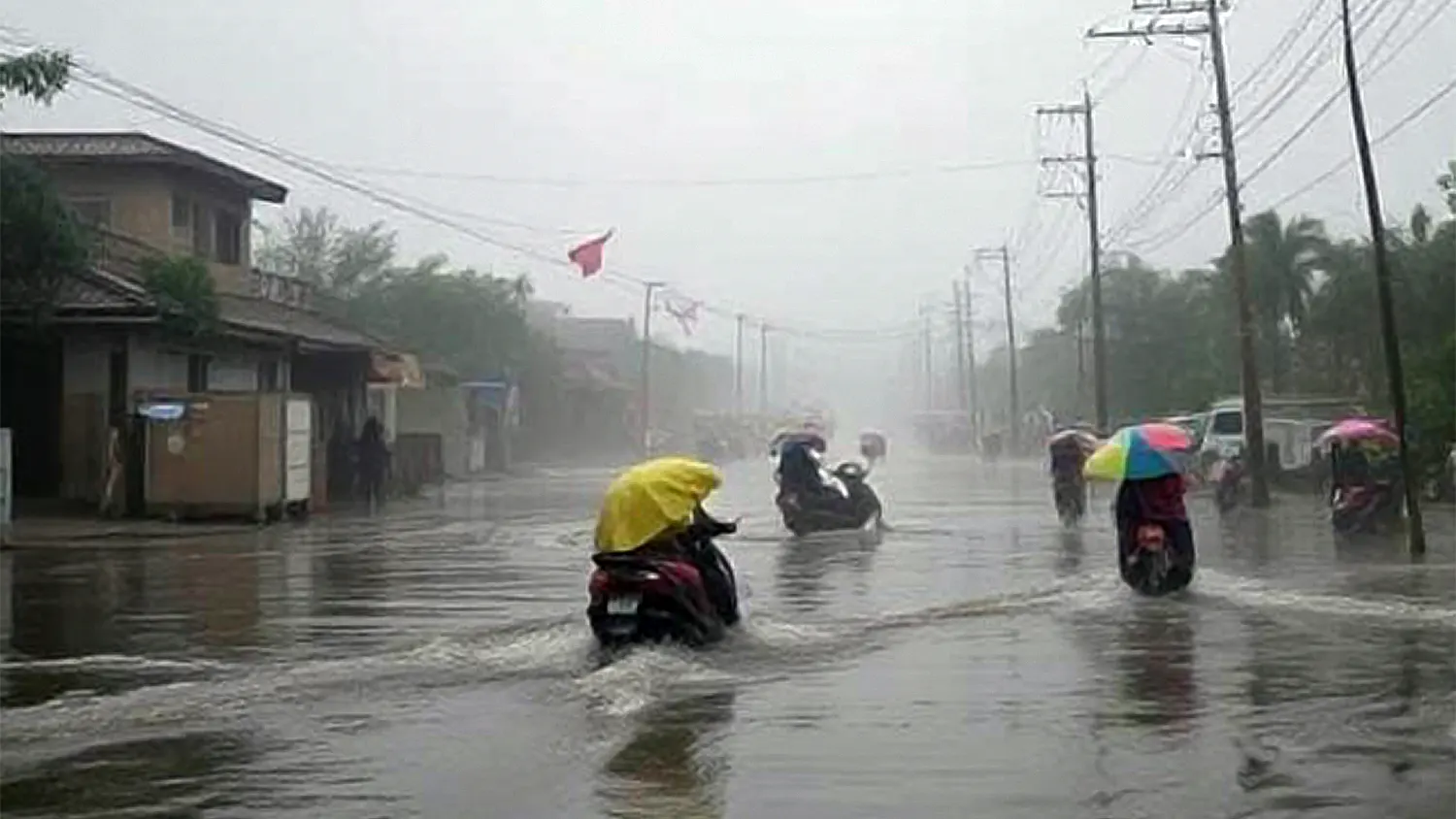
Vietnam has seen powerful storms before. But as Typhoon Kajiki churns toward its central coastline, the country is treating this one with a level of urgency that signals just how serious the threat is.
More than 500,000 people are being evacuated from coastal communities, airports have been shut down, schools are closed, and over 120,000 soldiers and paramilitary personnel have been deployed. Vietnam isn’t waiting to see what Kajiki does, it’s moving now.
A Storm That’s Drawing Uncomfortable Comparisons
Kajiki is currently packing sustained winds of up to 166 kilometers per hour as it spins through the South China Sea. Meteorologists expect it to make landfall somewhere between Thanh Hoa and Nghe An provinces, with warnings that it could still strengthen before hitting the coast.
Tran Quang Hoang, spokesperson for the National Steering Committee for Natural Disaster Prevention, didn’t mince words. He said the storm’s strength and projected path are similar to Typhoon Yagi, the storm that tore through the region last year and left a trail of destruction that Vietnam is still recovering from. “Our priority is to save lives,” he said, “and reduce the risk to vulnerable communities.”
Families Packing Up and Moving Inland
On the ground in Nghe An, the evacuation is already well underway. Nguyen Thi Lan, a local resident, described leaving her home at dawn with her family as authorities urged everyone to move to higher ground. “The local authorities told us the storm could be worse than anything we’ve seen in years,” she said. “Everyone is worried, but we know safety comes first.”
Temporary shelters are being set up across the central provinces, with rescue teams and medical staff on standby for rapid deployment once the storm makes landfall.
Airports Closed, Fishermen Ashore, Flights Cancelled
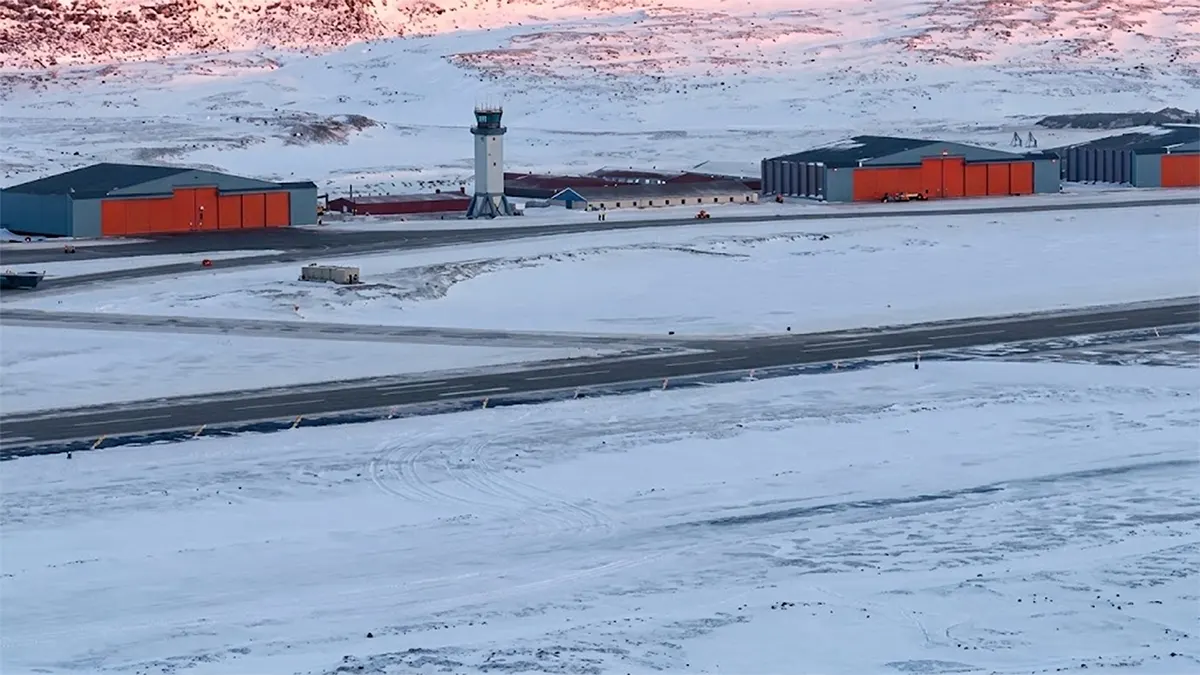
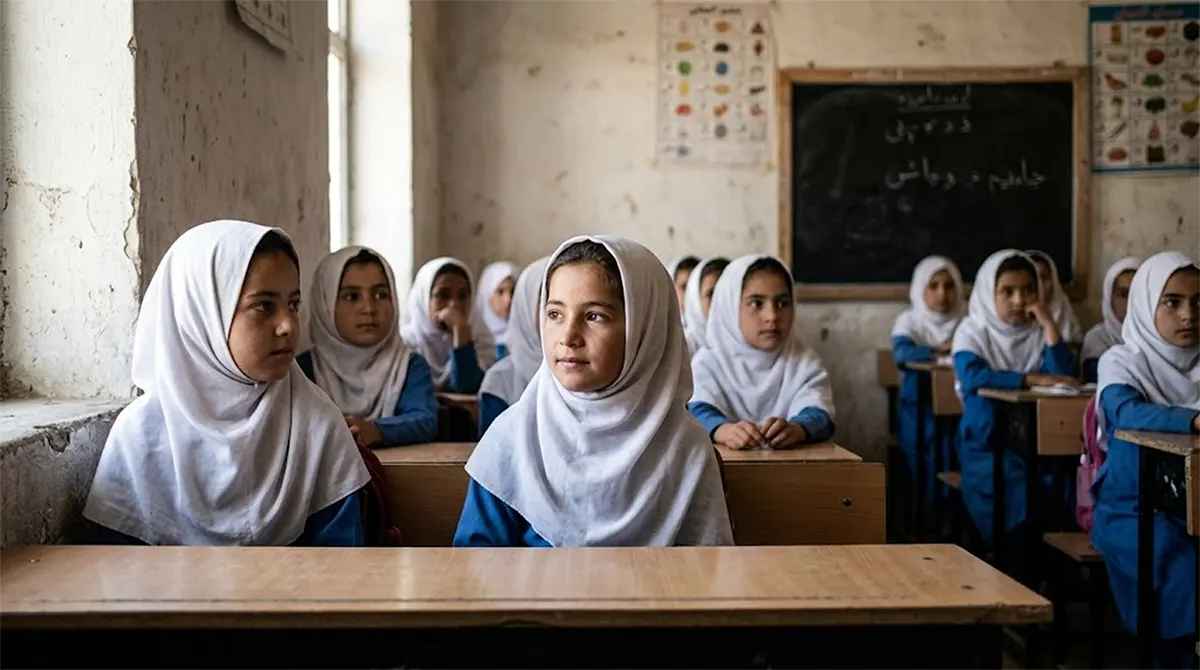
Kajiki’s approach has already disrupted daily life well beyond the evacuation zones. Two airports in the storm’s path have been closed, forcing Vietnam Airlines and Vietjet to cancel dozens of flights. Government offices and schools across affected provinces have shut their doors.
At the port in Thanh Hoa, fishing boats are being secured and crews are staying ashore. Captain Le Van Binh, who operates a small trawler in the area, summed up the mood among local fishermen simply: “Losing income is hard, but losing lives is worse.”
The Storm Doesn’t Stop at Vietnam’s Borders
The impact of Kajiki is expected to ripple beyond Vietnam. Heavy rainfall and flooding are forecast to reach neighboring Laos and northern Thailand as the storm pushes inland a reminder that extreme weather in this part of the world rarely confines itself to a single country.
Dr. Le Minh Tuan, a climate scientist at the Vietnam Academy of Science and Technology, pointed to the bigger picture. Vietnam’s long coastline and densely populated river deltas make it one of the most exposed countries in the world to this kind of event. “Every storm like this is a reminder of the challenges Vietnam faces as sea levels rise and weather becomes more unpredictable,” he said. “Preparedness is improving, but the scale of these events tests even the best-laid plans.”
Now, Vietnam Waits
The evacuations are as complete as they can be. The shelters are ready. The soldiers are in position. As Kajiki makes its final approach, Vietnam has done what it can and now the country holds its breath, hoping that preparation will be enough to blunt the worst of what’s coming.