Nigeria is facing growing international concern as violent attacks against Christian communities continue to escalate across several parts of the country. Reports from human rights organizations point to a sharp rise in killings, kidnappings, and church destruction throughout 2025, especially in the nation’s northern and central regions.
The worsening crisis has left thousands of families displaced and fearful, while raising new questions about security, religious tensions, and government response.
Thousands Reportedly Killed in 2025
Recent data released by the Nigeria-based rights group International Society for Civil Liberties and Rule of Law (Intersociety) paints a disturbing picture of the violence.
According to the organization, more than 7,000 Christians were killed during the first 220 days of 2025, averaging over 32 deaths per day. The report also states that nearly 7,900 Christians were abducted during the same period.
In addition to the loss of life, attacks on religious institutions continue to increase. More than 19,000 churches have reportedly been destroyed since 2009, while hundreds of Christian clergy members have been kidnapped over the years.
Communities Left Devastated by Attacks
Behind the statistics are communities struggling to recover from repeated violence.
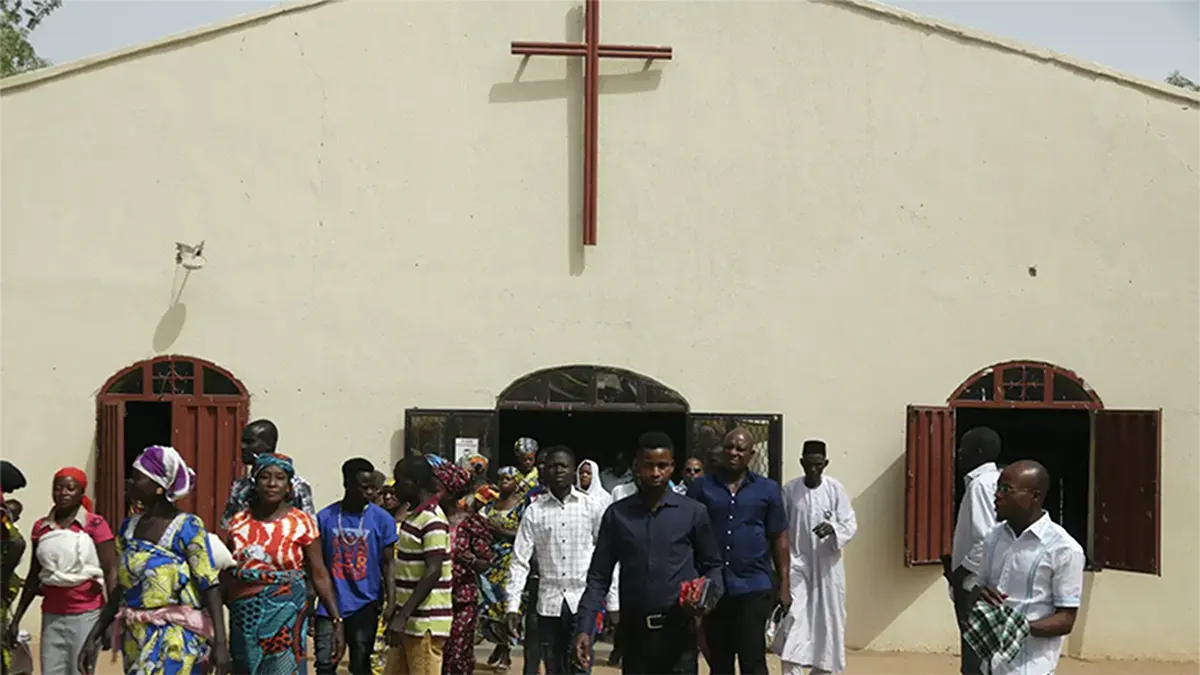
In Kaduna State, gunmen recently attacked two churches during worship activities, killing several people and abducting others. The assaults came only weeks after another deadly attack in a nearby village where seven residents, including children, lost their lives.
Church buildings and community facilities are also being heavily targeted. In Katsina State, attackers reportedly destroyed parts of a Catholic parish, including administrative buildings and the priest’s residence.
For many local residents, these attacks are not isolated incidents but part of a wider pattern of insecurity that has intensified in recent years.
Why the Conflict Is Becoming More Dangerous
The causes behind the violence are complex and deeply rooted.
Nigerian authorities have often described the crisis as a mix of criminal banditry, terrorism, and long-running farmer-herder disputes. However, many Christian groups believe religious targeting is playing a major role, especially in attacks affecting predominantly Christian communities in the Middle Belt region.
Several major factors are contributing to the unrest.
Climate Pressure Is Fueling Competition
One growing issue is the impact of climate change and desertification in northern Nigeria.
As grazing land becomes harder to find, many nomadic herders are moving farther south in search of water and farmland. This has increased tensions with farming communities that already depend heavily on the same land for survival.
The result is a dangerous struggle over scarce resources that can quickly turn violent.
Weak Security Creates Fear
Many rural communities say they feel abandoned due to limited security presence and slow emergency response times.
Human rights groups argue that poor law enforcement and weak judicial systems have allowed attackers to operate with little fear of punishment. This has contributed to a growing sense of impunity in some regions.
Religious Divisions Continue to Deepen
As attacks increasingly affect communities along religious lines, distrust between groups has continued to grow.
Even when violence begins over land or resources, the religious identities of victims and attackers often intensify tensions and make reconciliation more difficult.
Pressure Mounts for Stronger Government Action
The Nigerian government continues to face mounting pressure from local leaders, churches, and international observers to take stronger action against the violence.
Authorities have rejected claims that Christians are being systematically targeted for religious reasons. However, recent prosecutions linked to high-profile attacks, including the 2022 Owo church massacre, are seen by some observers as a step toward accountability.
Still, many experts believe much more needs to be done.
Calls for Long Term Solutions
Civil society groups and security analysts are urging Nigerian leaders to adopt a broader strategy that goes beyond military action alone.
Some of the most common recommendations include:
- Improving security protection for vulnerable villages
- Creating faster emergency response systems
- Ensuring transparent prosecution of suspects
- Addressing land ownership and grazing disputes
- Investing in climate adaptation programs
- Encouraging interfaith dialogue and reconciliation efforts
Supporters of these measures argue that lasting peace will require both stronger security and deeper social reforms.
International Concern Continues to Grow
As violence persists, the international community is paying closer attention to Nigeria’s security and humanitarian challenges.
Many observers warn that continued instability could have wider regional consequences if the crisis is not effectively addressed.
For millions of Nigerians living in affected communities, however, the focus remains on survival, safety, and the hope for lasting peace.