A Breakthrough in the Fight Against Plastic Pollution
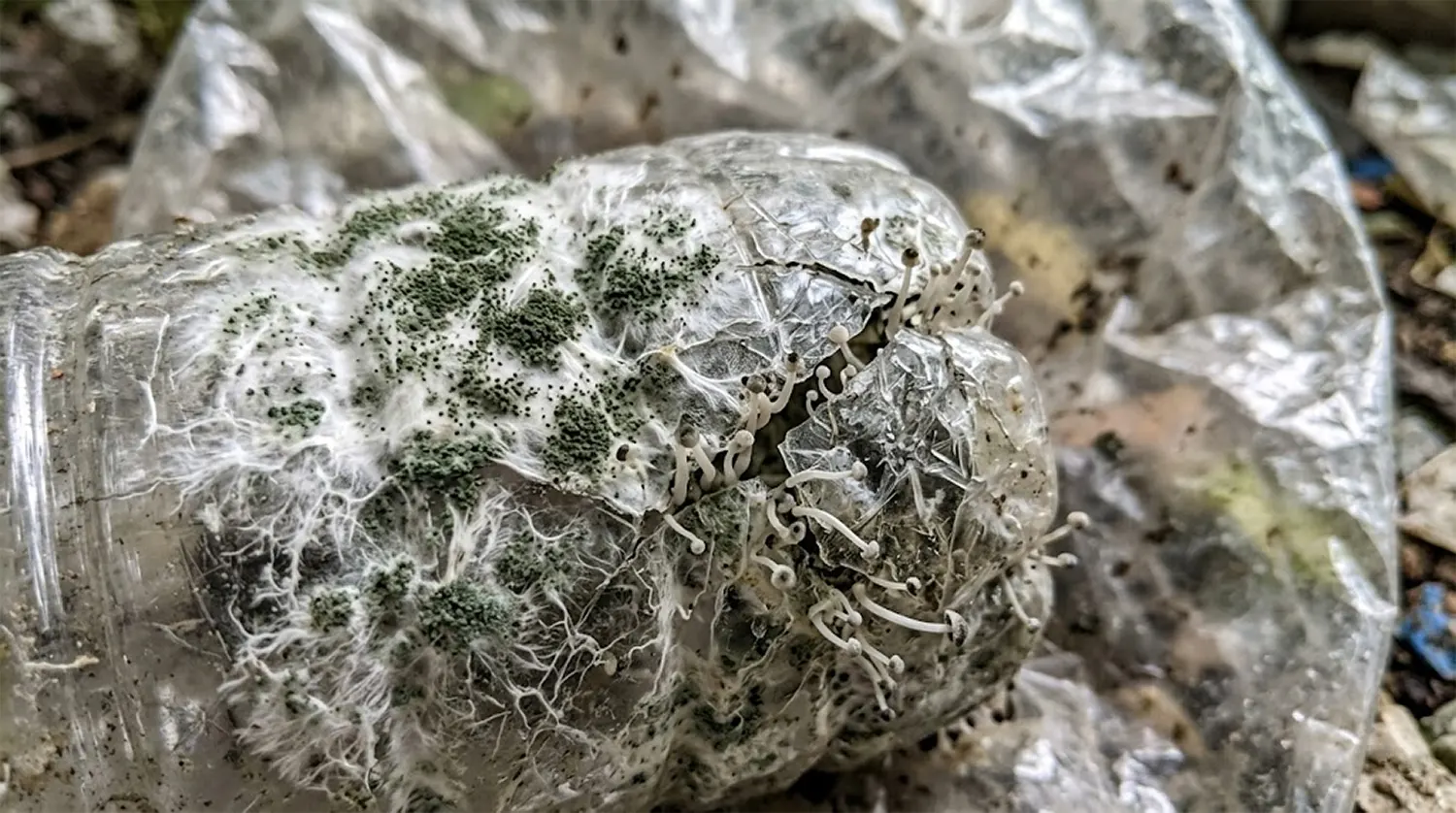
A team of European scientists has identified new fungi capable of breaking down some of the world’s most stubborn plastics offering a potential breakthrough in tackling global waste.
Announced on July 12, 2025, the discovery could mark a turning point in how we deal with plastic pollution, a problem that continues to overwhelm landfills, oceans, and ecosystems worldwide.
Unlike traditional recycling methods, this approach relies on biology using living organisms to do what machines and chemicals struggle to achieve.
Fungi That Can Break Down Everyday Plastics
What makes this discovery especially significant is the type of plastic these fungi can digest.
Researchers found that the newly identified strains can break down:
- Polyethylene (PE) – commonly used in plastic bags and packaging
- Polypropylene (PP) – found in containers, textiles, and medical supplies
These materials are among the most widely used and hardest to decompose plastics on Earth, often taking hundreds of years to break down naturally.
Early findings suggest the fungi can convert these complex plastics into simpler, less harmful substances through a process known as biodegradation. In simple terms,
the fungi “eat” the plastic and transform it into safer compounds.
Why This Discovery Stands Out
Scientists have been searching for biological solutions to plastic waste for decades.
While some bacteria and fungi have previously shown limited ability to degrade plastics, these newly discovered species appear to be far more efficient and versatile.
According to a lead researcher involved in the project:
“For decades, we’ve been searching for efficient biological agents to tackle plastic waste. These new fungal strains show incredible promise.”
The fungi were discovered after years of studying microorganisms in extreme environments, places where life has adapted to survive under unusual conditions.
These environments often produce organisms with unique abilities, including breaking down complex materials like synthetic plastics.
From Lab Discovery to Real World Solution
While the findings are promising, turning this discovery into a practical solution will take time.
Researchers are now focusing on three key areas:
- Optimization: Identifying the best conditions such as temperature and humidity
for the fungi to work efficiently - Scaling Up: Developing ways to grow and deploy the fungi in places like waste treatment plants
- Safety: Ensuring that the breakdown process produces non toxic and environmentally safe by products
These steps are critical to moving from a laboratory breakthrough to real world impact.
Why the World Is Watching Closely
The timing of this discovery could not be more important.
The world produces hundreds of millions of tons of plastic waste every year, much of which ends up in oceans, rivers, and soil. This pollution harms wildlife, damages ecosystems, and even enters the human food chain as microplastics.
Traditional solutions like recycling and bans have struggled to keep pace with the scale of the problem.
That’s why biological solutions like plastic eating fungi are gaining attention. They offer a potentially sustainable and scalable way to reduce waste without relying solely on human intervention.
A Step Toward a Cleaner Future
While commercial use of these fungi is still years away, the discovery represents a major step forward in environmental science.
If successfully developed, this approach could:
- Reduce landfill waste
- Help clean up polluted environments
- Provide a natural, low energy alternative to current waste management systems
In a world searching for solutions to the plastic crisis, these tiny organisms could play a surprisingly big role.
What This Breakthrough Could Change
Plastic eating fungi may not solve the crisis overnight but they could change the way
we fight it.
By harnessing nature’s own tools, scientists are opening the door to a future where plastic waste is no longer permanent but something that can be broken down and managed sustainably.