Plastic Pollution Is Harming Human Health and Costing Trillions
A new 2025 medical report warns that plastic pollution is damaging human health worldwide, with costs reaching $1.5 trillion annually, affecting people from early life through adulthood.
That finding matters because plastic is no longer just an environmental issue. It is now a public health crisis with global economic consequences, impacting everything from healthcare systems to local livelihoods.
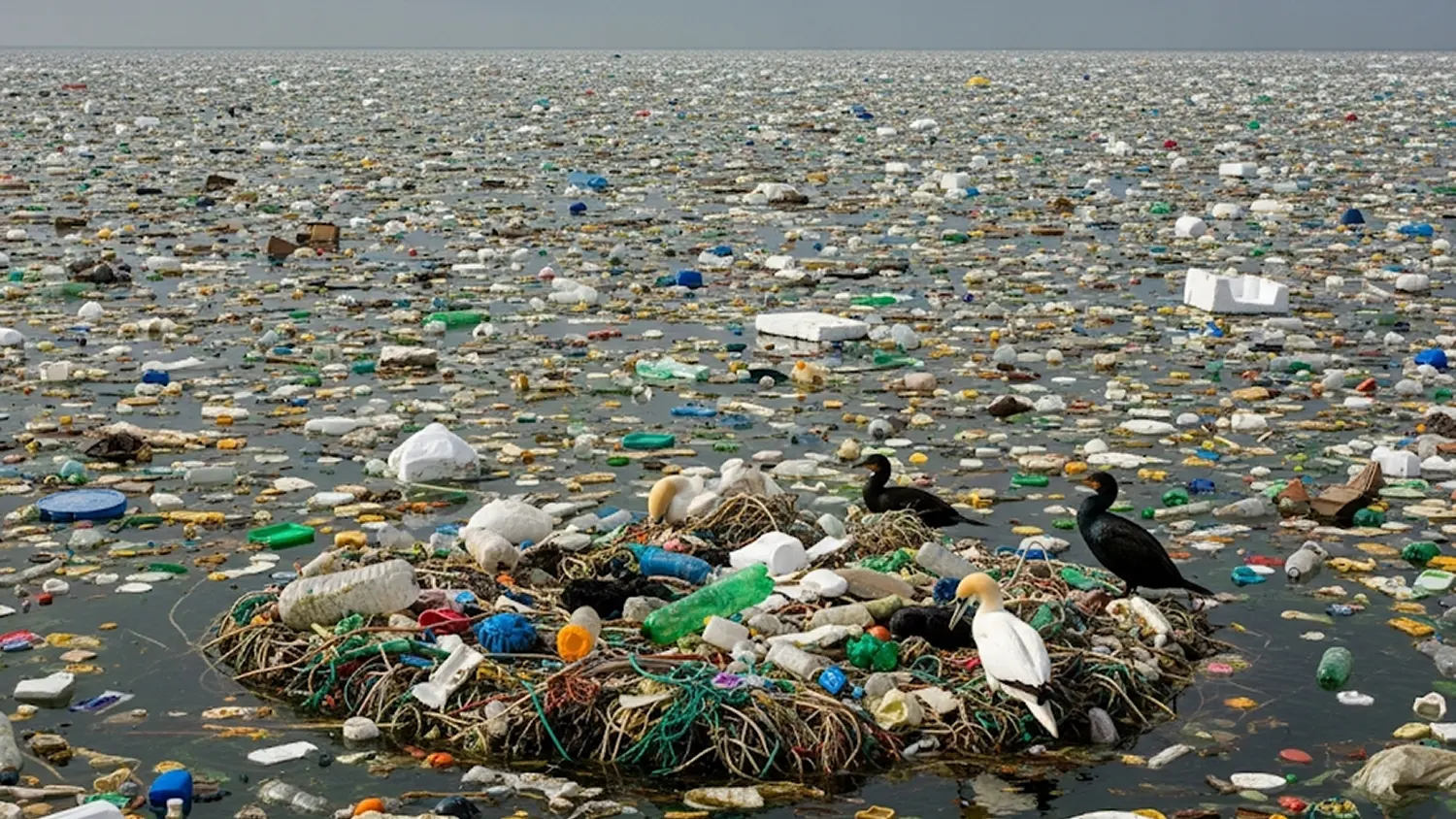
But the real danger lies beyond what we can see. While plastic waste on beaches is visible, scientists highlight a “grave and growing threat” from toxic exposure throughout the plastic lifecycle from production to disposal.
What makes this even more urgent is how exposure begins early. The process starts with fossil fuel extraction and chemical manufacturing, releasing pollutants into air and water long before plastic products reach consumers.
The hidden exposure happening before and after use
This leads to a deeper concern: everyday contact. Common items like bottles and food containers can leach harmful chemicals into food and water, increasing long term health risks through routine use.
But the most alarming discovery involves scale and invisibility. Researchers have identified microplastics and nanoplastics inside the human body, including in blood, lungs, and even brain tissue.
That raises a critical question: what does this mean for long term health? While research is ongoing, the presence of these particles suggests chronic exposure with unknown consequences, making it a growing focus for scientists worldwide.
Why coastal communities face higher stakes
The impact is not evenly distributed. Communities that depend on nature especially coastal regions face compounded risks to health, livelihoods, and local economies.
For fishing industries, polluted waters threaten food safety and income. For tourism, plastic waste undermines the appeal of natural environments, directly affecting economic stability.
What makes this even more concerning is the scale of the financial burden. The report estimates $1.5 trillion in annual health related costs, placing enormous strain on healthcare systems globally.
A global problem that now demands local action
So the issue is no longer abstract, it is immediate and actionable. Experts describe the findings as a “wake up call” requiring urgent and coordinated response across governments, industries, and individuals.
At the individual level, simple steps can reduce exposure and impact. These include cutting single use plastics, improving waste disposal, and choosing sustainable products.
But broader change depends on systemic shifts. Stronger policies, better waste management, and corporate accountability are essential to limit production and reduce long-term harm.
The fight against plastic is now a fight for human health
As the evidence grows, the narrative is shifting. Plastic pollution is no longer just about oceans or wildlife, it is about human health, economic stability, and future resilience.
And that brings the story full circle. What began as an environmental concern has become a defining public health challenge of our time, one that will shape how societies balance convenience, sustainability, and survival in the years ahead.