A New Flashpoint in Mali’s Political Crisis
Political instability in Mali has taken another dramatic turn. The country’s ruling military junta says it has foiled an alleged coup attempt, arresting senior military officers and a French national in the process.
At first glance, this may appear to be a routine security operation. But in reality, the arrests raise deeper questions about power, internal divisions, and Mali’s shifting global alliances.
As the situation unfolds, the key issue is not just whether a coup was truly planned but what this means for Mali’s political future and regional stability in West Africa.
Alleged Coup Plot: What the Junta Claims
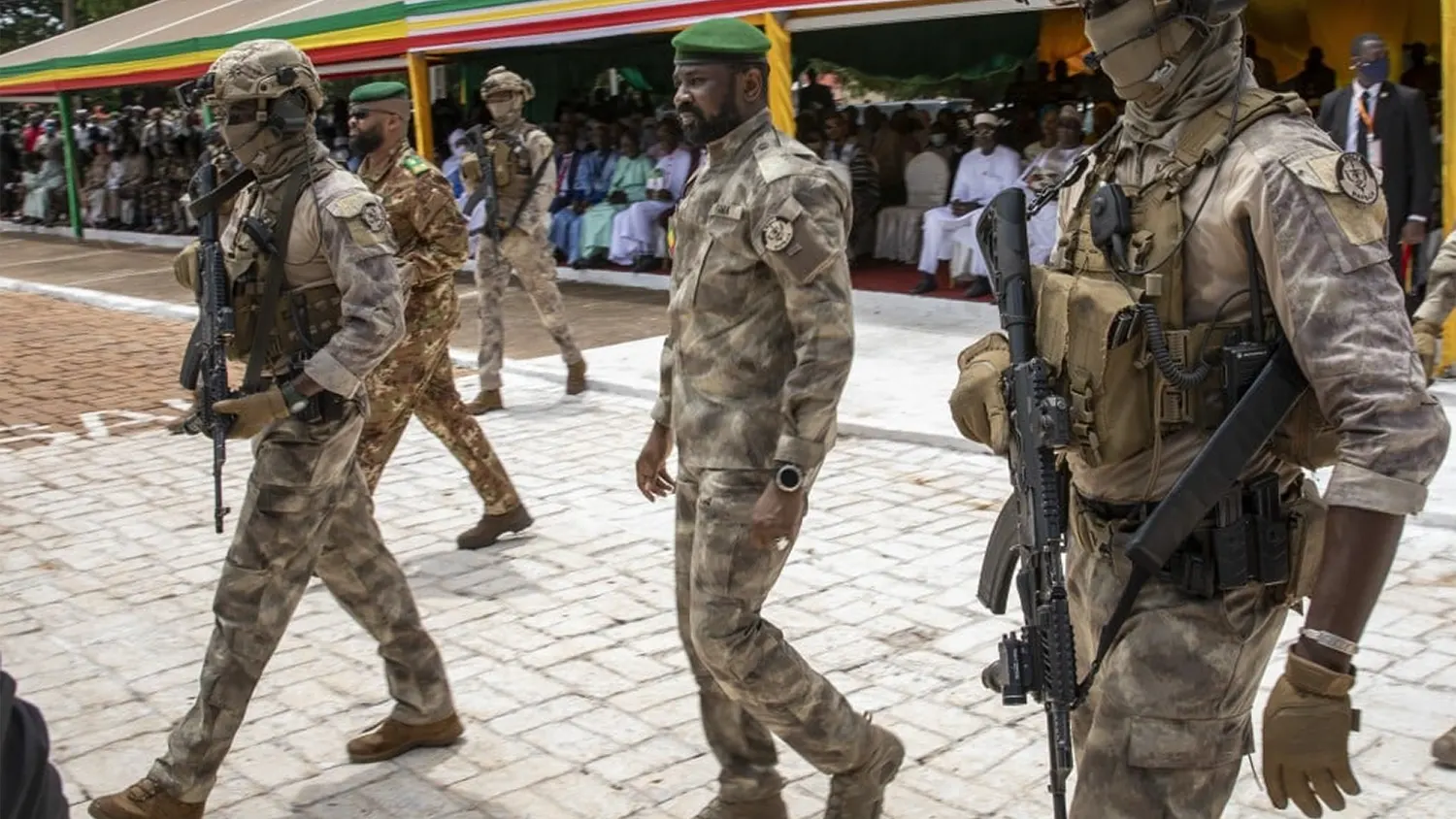
Mali’s military government, which took power through coups in 2020 and 2021, announced that it had disrupted a plot aimed at destabilizing the country.
According to officials, the alleged coup attempt was backed by a “foreign state,” though no detailed evidence has been made public. This lack of transparency has led to growing skepticism among observers.
Still, the junta has acted swiftly. High ranking officers were detained, signaling what appears to be a serious internal security concern or a calculated political move.
Key Arrests Signal Possible Internal Divisions
Among those arrested are two prominent military figures whose reputations complicate the official narrative.
General Abass Dembélé, once governor of the conflict prone Mopti region, had recently been dismissed after calling for an investigation into alleged army abuses against civilians. His arrest raises questions about whether dissent within the military is being silenced.
Also detained is General Néma Sagara, a widely respected officer known for her role in fighting militants in 2012. Her inclusion in the crackdown has surprised many analysts and fueled speculation about internal fractures within Mali’s armed forces.
The targeting of respected figures suggests this may be more than just a security operation, it could reflect deeper tensions inside the military leadership.
France Accusations Deepen Diplomatic Rift
The situation has taken an international turn with the arrest of French national Yann Vezilier.
Mali’s Security Minister has accused him of working with French intelligence services, a claim that could significantly worsen relations between Mali and France.
This comes at a time when ties between the two countries are already strained. Mali expelled French troops in recent years and has increasingly turned toward Russian security partnerships.
Accusations of foreign interference add another layer of tension, reinforcing a narrative that external actors are influencing Mali’s internal affairs.
A Broader Crackdown on Opposition
The arrests are not happening in isolation. They are part of a wider pattern of increased political repression in Mali.
Since August, numerous soldiers and civilians have reportedly been detained. Earlier this year, Mali witnessed a rare pro democracy rally, the first since the junta took power. Shortly after, authorities moved to dissolve political parties and detain critics, including former prime ministers.
This sequence of events suggests a tightening grip on power, particularly following the junta’s decision to extend its rule for another five years.
The timing of the alleged coup plot raises concerns that it may be used to justify broader crackdowns on dissent.
Geopolitical Stakes in the Sahel Region
Beyond Mali’s borders, the situation reflects wider geopolitical tensions in the Sahel.
The region has become a focal point for competing international interests, particularly between Western nations and Russia. Mali’s pivot away from France and toward Russian support highlights a significant shift in regional alliances.
At the same time, ongoing security challenges including militant activity make stability in Mali critical for neighboring countries.
Any escalation in Mali’s internal crisis could have ripple effects across West Africa, impacting both security and political dynamics.
Stability or Consolidation of Power?
Mali’s claim of a foiled coup attempt presents two possible realities.
On one hand, it could reflect a genuine threat to national stability. On the other, it may signal a strategic effort by the junta to consolidate power and suppress opposition.
What is clear is that political instability in Mali remains far from resolved. With rising tensions at home and strained relationships abroad, the country stands at a critical crossroads.
For observers and policymakers alike, the coming weeks will be crucial in determining whether Mali moves toward stability or deeper uncertainty.
Staying informed on developments in Mali and the Sahel region will be key to understanding the broader shifts shaping global geopolitics.