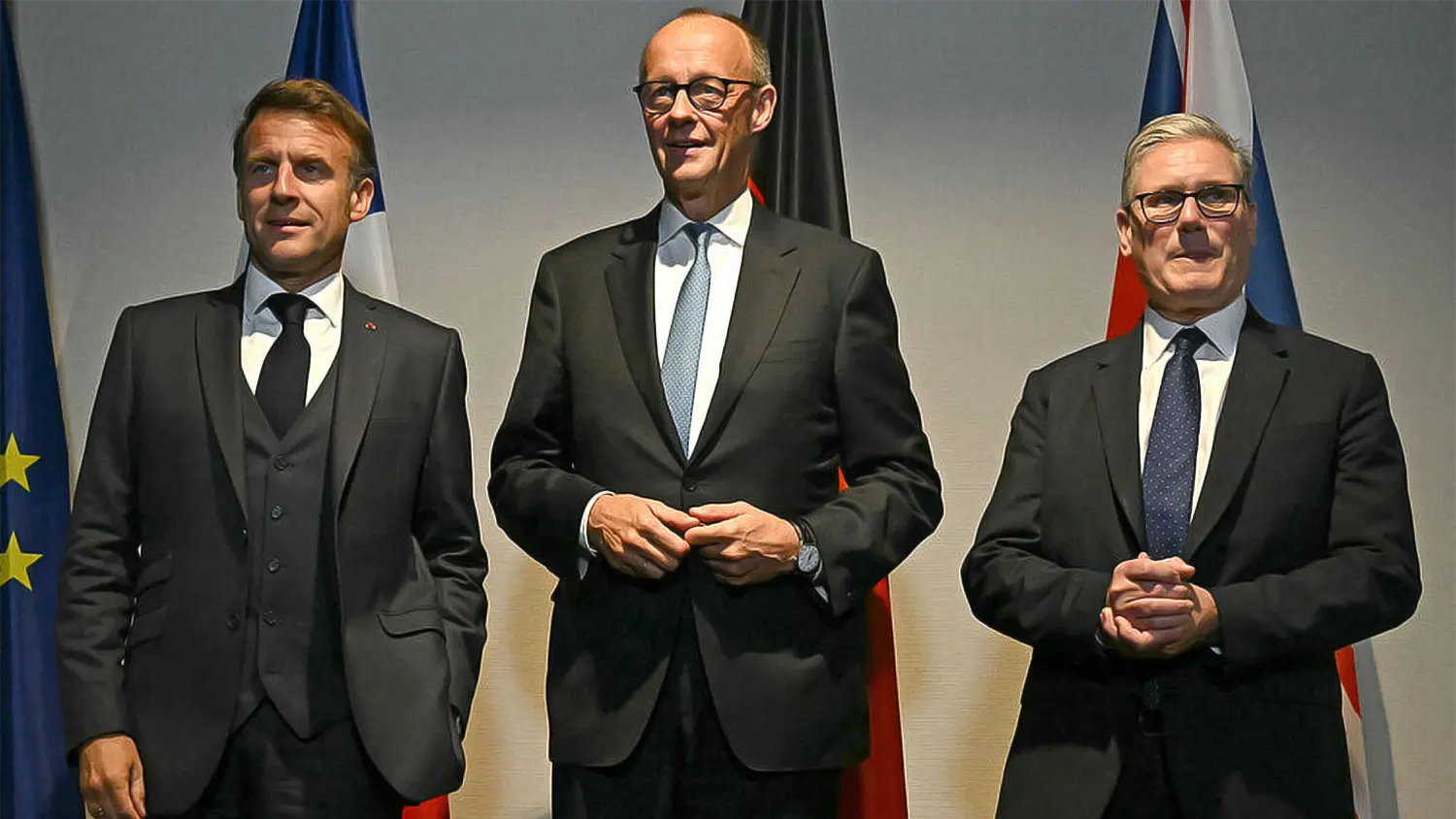
Britain, France, and Germany have taken one of the most consequential steps in years to rein in Iran’s nuclear ambitions. The three nations collectively known as the E3 have formally activated a mechanism to reimpose sweeping United Nations sanctions on Iran, citing what they call Tehran’s clear and deliberate failure to honor its commitments under the 2015 nuclear deal. The clock is now ticking, and the next 30 days could reshape the geopolitical landscape across the Middle East and beyond.
Why Europe Finally Pulled the Trigger
The decision didn’t come overnight. After months of failed negotiations including a final round in Geneva that went nowhere, the E3 concluded that diplomacy alone was no longer enough. Three core failures pushed them over the edge.
First, Iran’s uranium enrichment has spiraled far beyond legal limits. According to UK officials, Tehran has stockpiled enriched uranium at roughly 45 times the amount permitted under the 2015 Joint Comprehensive Plan of Action (JCPOA). Enrichment levels are now approaching thresholds that could enable the development of a nuclear weapon what experts call a potential “nuclear breakout.”
Second, Iran has been stonewalling the UN’s nuclear watchdog. The International Atomic Energy Agency (IAEA) has faced mounting restrictions on its ability to inspect Iranian nuclear sites. European diplomats argue that Tehran’s refusal to grant access to facilities of major concern makes it effectively impossible to verify whether its nuclear program remains peaceful.
Third, and perhaps most telling, Iran simply stopped talking. Despite repeated European overtures, Tehran offered no credible steps toward restoring compliance and refused to re-engage in meaningful dialogue. For the E3, that silence spoke louder than any declaration.
How the Snapback Actually Works
The mechanism Europe activated known as the “snapback” provision was written into the original nuclear deal precisely for situations like this. It allows any of the deal’s original signatories to demand the automatic reinstatement of all previous UN sanctions if Iran is found to be in significant non-compliance.
What makes the snapback uniquely powerful is that it cannot be vetoed. Russia and China, both permanent members of the UN Security Council and traditional defenders of Iran diplomatically, have no power to block it. Once triggered, a 30-day countdown begins. Unless a new UN Security Council resolution is passed to stop it something diplomats consider virtually impossible all sanctions are automatically restored.
Those restored sanctions would hit Iran hard: restrictions on arms imports, ballistic missile activity, and key financial sectors measures that were lifted when the original deal was signed a decade ago.
Iran Fires Back: “Illegal and Unjustified”
Tehran did not take the move quietly. Iranian Foreign Minister Seyyed Abbas Araghchi swiftly condemned the snapback as “unjustified, illegal, and lacking any legal basis.”
Iran’s argument centers on a pointed accusation: that it was Europe, not Iran, that broke the deal first. When the United States unilaterally withdrew from the JCPOA in 2018 under President Donald Trump, Iran argues that the E3 failed to deliver the economic relief they had promised under the agreement. On those grounds, Tehran insists Europe has no legitimate authority to invoke the snapback.
Beyond legal disputes, Iran has issued a far more alarming threat. Lawmakers in Tehran have introduced legislation urging the government to withdraw from the Treaty on the Non-Proliferation of Nuclear Weapons (NPT), the cornerstone of global nuclear governance. Iran has not yet acted on this, but analysts warn that such a move would mark a dramatic and dangerous escalation, casting serious doubt on Tehran’s long-standing claim that its nuclear program is purely civilian.
A Diplomatic Door Left Open But Barely
Despite the severity of the step, the E3 insists this is not the end of diplomacy. In a joint statement, the three nations framed the snapback as a tool to “uphold the integrity of the JCPOA” not to shut down dialogue entirely. They have pledged to use the 30-day window to press for a negotiated resolution.
Few observers, however, are optimistic. Unless Iran makes major concessions and fast the sanctions are widely expected to snap back into place. As one European diplomat put it, the credibility of the entire UN system is now on the line: “If the JCPOA cannot be enforced, what signal does that send about global nuclear agreements?”
Who Gains, Who Loses And What Comes Next
The geopolitical ripple effects are already being felt. Washington has expressed support for the E3’s move but is treading carefully, mindful of an already crowded crisis agenda that includes Ukraine and Gaza. The U.S. is not eager to add a full-blown Iran confrontation to the mix.
Russia and China are expected to push back against the sanctions but crucially cannot stop them. Analysts suggest both countries may instead respond by deepening economic and security ties with Tehran, effectively creating a counter-bloc in defiance of Western pressure.
In the Middle East, the reaction has been sharply different. Israel and Saudi Arabia have quietly welcomed the move, both viewing Iran’s nuclear ambitions as a direct and existential threat. The prospect of Iran withdrawing from the NPT, however, has raised fears of a regional nuclear arms race, a scenario that would destabilize an already volatile region.
Thirty Days That Could Change Everything
The snapback clock is running. Unless something dramatic changes in the next month, the United Nations will reimpose the full weight of its sanctions on Iran and Tehran will face a stark choice between backing down or escalating further.
With diplomacy on life support and both sides hardening their positions, the world is watching a high-stakes standoff that has implications well beyond Iran’s borders. The outcome of the next 30 days could determine not just the future of Iran’s nuclear program, but the credibility of international arms control itself.