The 2026 Asia-Pacific Economic Cooperation (APEC) Summit in Shenzhen, China, has become a major diplomatic and economic gathering, bringing together some of the world’s most influential leaders at a time of growing geopolitical tensions and uncertainty over global trade.
While the 21 APEC member economies have agreed on a new regional cooperation roadmap under the Shenzhen Vision, the summit has also provided an opportunity for individual countries to pursue important bilateral agreements, ease trade restrictions, and address diplomatic disputes.
Among the most closely watched developments are the unprecedented meeting between Donald Trump, Xi Jinping, and Vladimir Putin, Canada’s efforts to diversify its trade relationships, Indonesia’s expanding economic cooperation with China, and Japan’s attempt to manage increasingly difficult relations with Beijing and Moscow.
The summit has also highlighted a broader question facing the Asia-Pacific: how can countries maintain economic cooperation when major powers are increasingly divided over security, technology, and international politics?
APEC Leaders Adopt the Shenzhen Vision for Regional Cooperation
One of the main outcomes of the 33rd APEC Economic Leaders’ Meeting was the unanimous adoption of the 2026 APEC Leaders’ Declaration, which establishes the Shenzhen Vision as a roadmap for strengthening regional economic cooperation.
Held under the theme Building an Asia-Pacific Community to Prosper Together, the meeting focused on three major outcome areas: trade, connectivity, and innovation.
The declaration supports the implementation of the existing APEC Putrajaya Vision 2040, which aims to build an open, dynamic, resilient, and peaceful Asia-Pacific community.
Chinese President Xi Jinping outlined several priorities for achieving this ambition, including improving regional trade arrangements, expanding infrastructure networks, strengthening digital cooperation, and encouraging the development of artificial intelligence.
Digital transformation is expected to play an increasingly important role in the region’s economic development. Cooperation in AI, digital infrastructure, and cross-border data flows could help businesses improve productivity while supporting new opportunities in technology-driven industries.
Leaders also highlighted the importance of energy security, food security, environmental protection, and inclusive economic development.
These priorities reflect the growing need for Asia-Pacific economies to strengthen their resilience against external disruptions, including geopolitical tensions, trade restrictions, and supply-chain instability.
APEC’s Business Community Issues the Shenzhen Initiative
Alongside the leaders’ declaration, the APEC CEO Summit 2026 released the Shenzhen Initiative, marking the first time in the event’s 30-year history that an outcome document has been issued in the form of an initiative.
The document calls on the private sector to support an open regional economy, technology-driven growth, stronger connectivity, and mutually beneficial cooperation.
It also encourages businesses to contribute to the implementation of the Putrajaya Vision 2040, reinforcing the importance of cooperation between governments and the private sector.
However, the declaration and business initiative should not be confused with legally binding trade agreements. APEC operates through voluntary cooperation and consensus, meaning its decisions do not create treaty obligations for member economies.
Trump, Xi and Putin Hold Historic Three-Way Talks
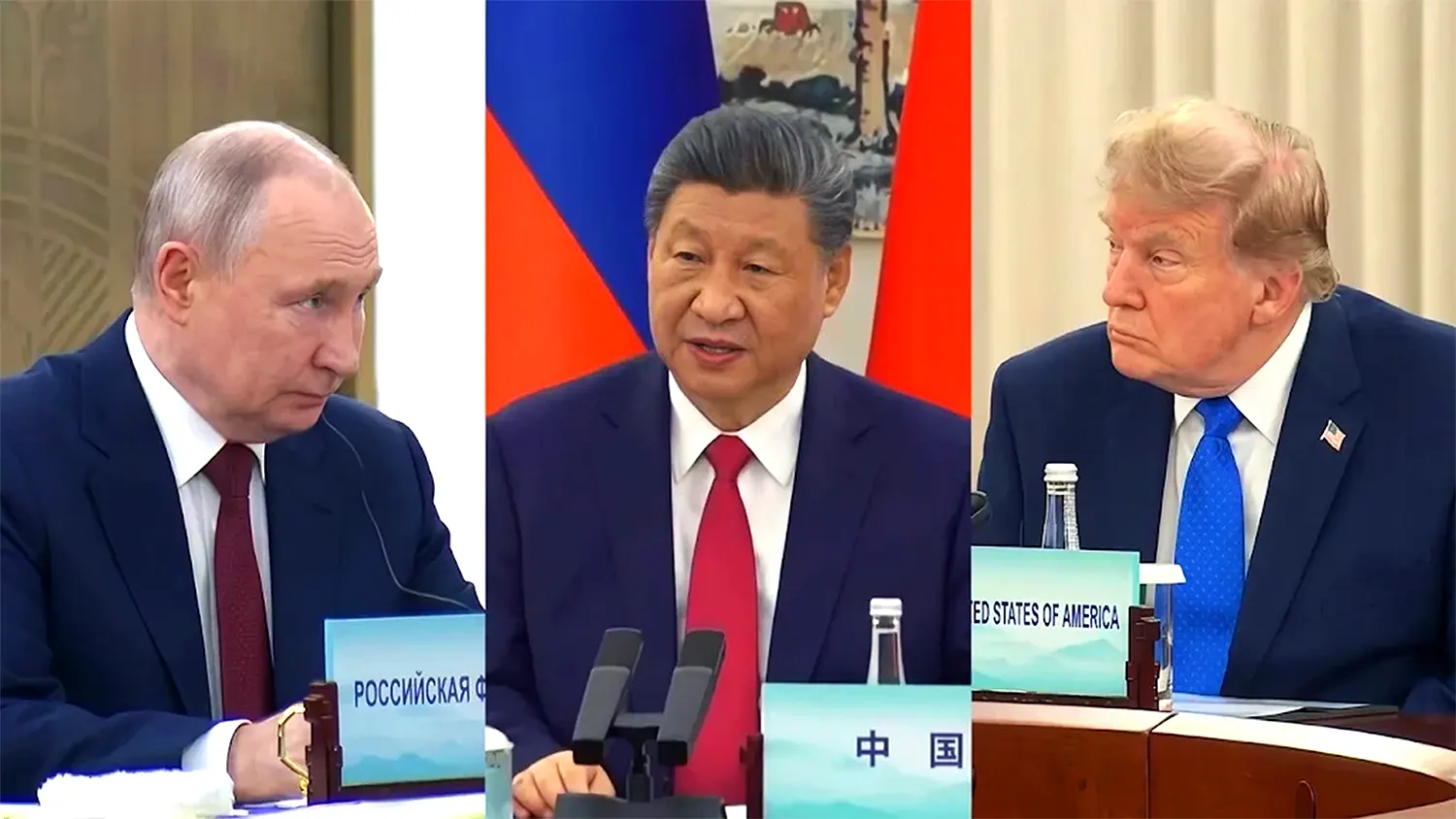
One of the most significant diplomatic developments during the Shenzhen gathering was the unprecedented meeting between U.S. President Donald Trump, Chinese President Xi Jinping, and Russian President Vladimir Putin.
The three leaders began their talks on November 19, marking the first three-way meeting involving the leaders of the United States, China, and Russia.
The gathering brought together three major nuclear powers at a time when international security concerns, trade disputes, and geopolitical rivalries continue to shape global affairs.
Discussions were expected to cover nuclear arms control, international conflicts, and broader strategic relations. The meeting also followed separate bilateral discussions between Trump and Xi, as well as earlier talks between Xi and Putin.
The presence of all three leaders in the same diplomatic setting was significant in itself. It provided an opportunity for direct communication between governments that have competing interests across several international issues.
However, the meeting should not automatically be interpreted as a breakthrough. Major disagreements remain over trade, advanced technology, military security, and the war in Ukraine.
The absence of Ukraine from discussions involving Washington and Moscow also raises questions about how any potential diplomatic initiative would account for Kyiv’s position.
For China, hosting the meeting also provided an opportunity to demonstrate its growing diplomatic influence while promoting its vision of regional cooperation.
Japan’s Takaichi Faces Diplomatic Challenges in Shenzhen
Japanese Prime Minister Sanae Takaichi also attracted considerable attention during the summit, particularly because of Japan’s strained relations with China and Russia.
Her visit to Shenzhen marked her first trip to China since remarks about Taiwan in November 2025 triggered a serious deterioration in bilateral relations.
Takaichi Holds 30-Minute Conversation With Putin
On the evening of November 18, Takaichi spoke with Russian President Vladimir Putin following the APEC welcome dinner.
The approximately 30-minute conversation was the first face-to-face meeting between Japanese and Russian leaders in seven years, following the September 2019 meeting between former Japanese Prime Minister Shinzo Abe and Putin.
According to Japanese government officials, Takaichi raised several concerns, including the detention of a Japanese national in Russia on suspicion of espionage and the protection of Japanese companies operating in the country.
The discussion also took place against the backdrop of Moscow’s decision to place Japanese Tobacco Group entities in Russia under temporary administration.
Both leaders agreed to maintain communication through diplomatic channels, although the meeting did not signal a major improvement in relations.
Japan continues to face difficult questions over Russia’s invasion of Ukraine and the long-running territorial dispute involving the Kuril Islands, which Japan refers to as the Northern Territories.
China’s Reception Highlights Tensions With Tokyo
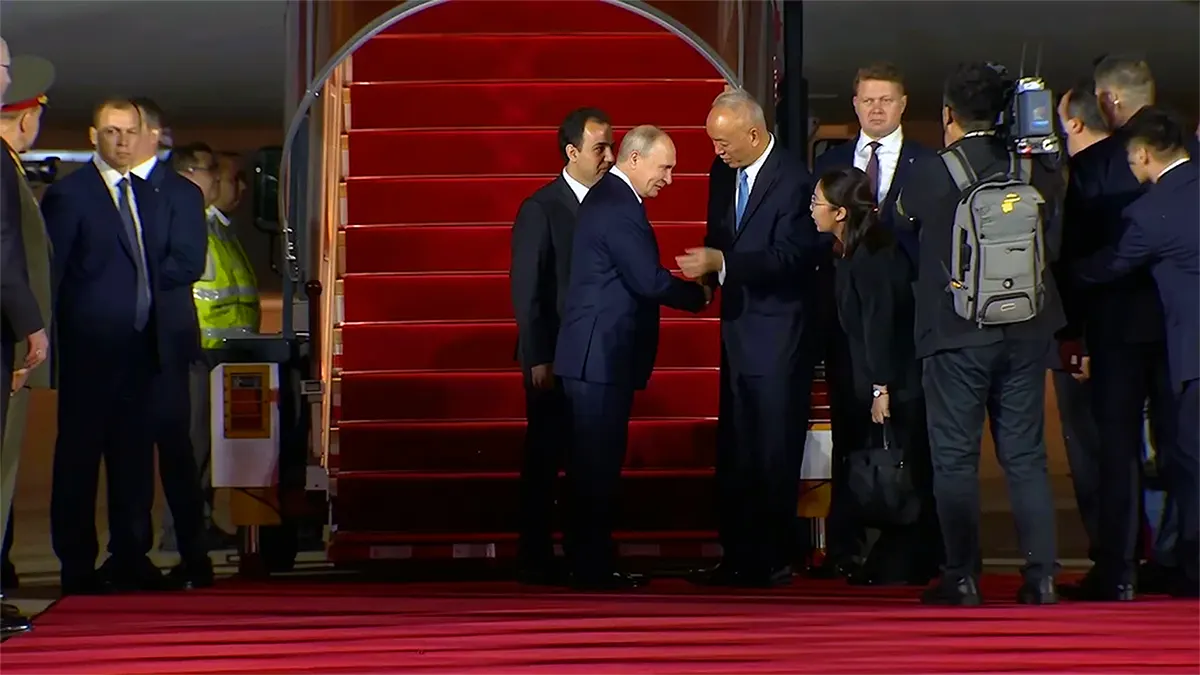
Takaichi’s arrival in Shenzhen also attracted attention because of the relatively low-profile reception arranged by the Chinese government.
While several visiting leaders received welcomes from senior Chinese officials, Takaichi was greeted by retired former ambassador Zhang Qiyue, who served as a protocol representative.
The difference in reception arrangements was widely interpreted by observers as reflecting the continuing diplomatic tensions between Beijing and Tokyo.
The two leaders later exchanged brief handshakes during the summit’s welcome events, but no formal bilateral meeting between Xi and Takaichi was announced.
Despite the strained atmosphere, Takaichi indicated that Japan remained committed to pursuing stable relations with China.
The situation illustrates how political disagreements over Taiwan continue to complicate economic and diplomatic relations between two of Asia’s largest economies.
Indonesia and China Announce $71.8 Billion in Cooperation Deals
Indonesia has emerged as another important participant in the Shenzhen gathering, with President Prabowo Subianto using the summit to strengthen economic relations with China and promote regional cooperation.
On November 18, Prabowo witnessed the exchange of memorandums of understanding and the strengthening of strategic cooperation commitments between Indonesian and Chinese partners.
The agreements carry a combined estimated value of US$71.8 billion, equivalent to more than Rp1,300 trillion.
The cooperation covers several strategic sectors, including:
- Smart city development: Plans to develop 10 initial future smart city sites, involving Indonesian and Chinese partners.
- Manufacturing and technology: Cooperation in industrial development and home-appliance manufacturing.
- Infrastructure financing: Proposed financing arrangements involving Chinese financial institutions and Indonesia’s Danantara.
- Energy technology: Development of coal-to-ethanol technology.
The smart city component represents the largest announced commitment, with an estimated investment value of approximately US$50 billion.
However, the US$71.8 billion figure represents a combination of investment and cooperation commitments, rather than money already disbursed or completed projects. The actual implementation will depend on subsequent commercial arrangements and project development.
Indonesia and China Consider a Bilateral CEPA
Beyond the announced investment commitments, Jakarta and Beijing are also looking to deepen their trade relationship through a proposed Indonesia-China Comprehensive Economic Partnership Agreement (CEPA).
The two governments have discussed beginning formal negotiations toward the agreement, which could eventually improve market access and strengthen investment cooperation.
The proposal is particularly significant given China’s position as Indonesia’s largest trading partner.
However, the agreement remains at the discussion and negotiation stage. It should not be presented as a completed trade agreement.
For Indonesia, the initiative represents another opportunity to attract investment, expand export markets, and strengthen its position within regional supply chains.
Philippines Signs Historic Trade Agreement With Chile
The Philippines also secured a significant trade achievement during the summit.
President Ferdinand Marcos Jr. and Chilean President José Antonio Kast signed a Comprehensive Economic Partnership Agreement (CEPA) on November 19.
The agreement marks the Philippines’ first bilateral free trade agreement with a South American country, opening another avenue for economic cooperation between Southeast Asia and Latin America.
The deal is expected to strengthen commercial relations, improve market access, and create opportunities for businesses in both countries.
Marcos also maintained an active diplomatic schedule, holding meetings and discussions with several regional and international leaders, including Vietnam’s Tô Lâm, Mexico’s Claudia Sheinbaum, Peru’s Keiko Fujimori, and Papua New Guinea’s James Marape.
The Philippines’ agreement with Chile demonstrates how APEC gatherings can provide opportunities for bilateral trade negotiations beyond the forum’s broader regional agenda.
Canada’s Mark Carney Pursues Trade Diversification
Canadian Prime Minister Mark Carney has used the Shenzhen summit to advance one of his government’s major economic priorities: reducing Canada’s heavy dependence on the United States by expanding trade relationships with other economies.
His meetings with Xi Jinping and Donald Trump have placed Canada at the center of several important trade discussions.
Canada and China Agree on Additional Tariff Relief
Ahead of the main APEC leaders’ sessions, Carney met Xi Jinping on November 17 at the Kylin Villa State Guest House in Shenzhen.
The meeting produced an agreement to expand existing tariff-relief arrangements between the two countries.
China agreed to reduce tariffs affecting approximately C$400 million in annual Canadian exports, including frozen pork, fish, and seafood products.
In return, Canada agreed to extend tariff-remission measures covering selected Chinese steel and aluminum products for another two years.
The arrangement is part of a broader effort to stabilize bilateral trade relations following a period of retaliatory tariffs and restrictions.
For Canada, improved access to the Chinese market could benefit agricultural producers and seafood exporters while supporting Carney’s objective of increasing Canadian exports to China.
However, the economic relationship remains politically sensitive. Carney has also raised concerns about human rights, foreign interference, and transnational crime during discussions with Beijing.
Carney Meets Trump to Discuss Canada-U.S. Trade
Carney also held a meeting with Trump on November 18, lasting just under 20 minutes.
According to Canada’s Prime Minister’s Office, the two leaders discussed ongoing negotiations toward a mutually beneficial trade agreement.
The proposed agreement is intended to support employment, improve affordability, and respect Canada’s sovereignty, languages, and culture.
Both leaders agreed to continue negotiations and maintain communication, although the meeting did not produce an announced final trade agreement.
Carney’s diplomatic balancing act reflects Canada’s economic reality: the United States remains its most important trading partner, but Ottawa is increasingly interested in developing alternative markets to reduce its exposure to American trade policy.
Canada-Indonesia CEPA Adds Another Trade Opportunity
Carney’s broader Asia-Pacific strategy also includes Canada’s economic relationship with Indonesia.
The Indonesia-Canada Comprehensive Economic Partnership Agreement (ICA-CEPA) is scheduled to enter into force on December 1, 2026.
The agreement is expected to provide preferential tariff treatment for more than 97% of Canadian exports to Indonesia, creating opportunities for businesses in both countries.
For Canada, Indonesia represents an important market in Southeast Asia. For Indonesia, the agreement offers another avenue for expanding exports, attracting investment, and strengthening economic ties with a major North American economy.
Carney has also promoted Canada as a potential partner in energy, agriculture, infrastructure, and clean technology during discussions with Asia-Pacific business leaders.
Australia Defends Dialogue With Russia Despite Political Criticism
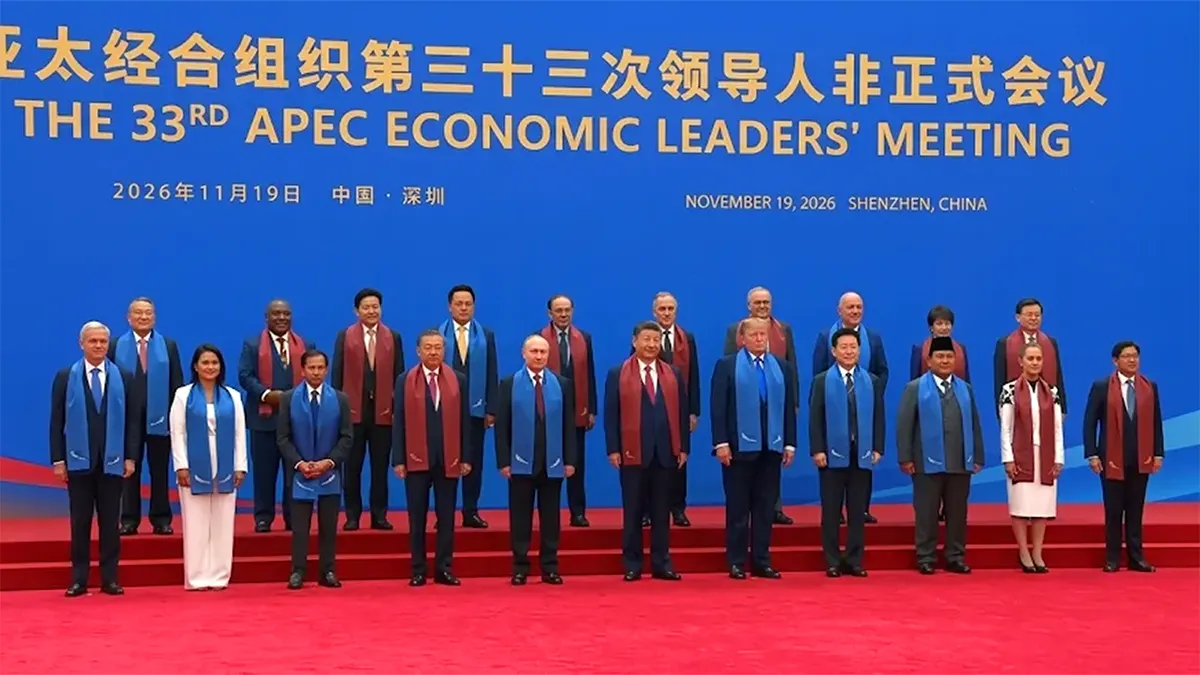
Australian Prime Minister Anthony Albanese has faced domestic political criticism after appearing alongside Putin in the official APEC leaders’ group photograph.
The controversy comes amid Australia’s continued opposition to Russia’s invasion of Ukraine.
Before the summit, Albanese had already indicated that he would participate in the traditional leaders’ photograph despite Putin’s attendance.
His position was that diplomatic engagement should remain possible even when countries strongly disagree.
Albanese also welcomed direct dialogue between major powers, arguing that communication is preferable to further isolation and confrontation.
However, he reiterated Australia’s position that any lasting peace agreement in Ukraine must be reached on Ukraine’s terms.
His appearance alongside Putin triggered criticism from Ukrainian community representatives in Australia, who argued that the photograph risked normalizing the Russian president’s international standing.
The controversy highlights the difficult balance between diplomatic protocol and political positions on international conflicts.
China and Russia Strengthen Their Strategic Partnership
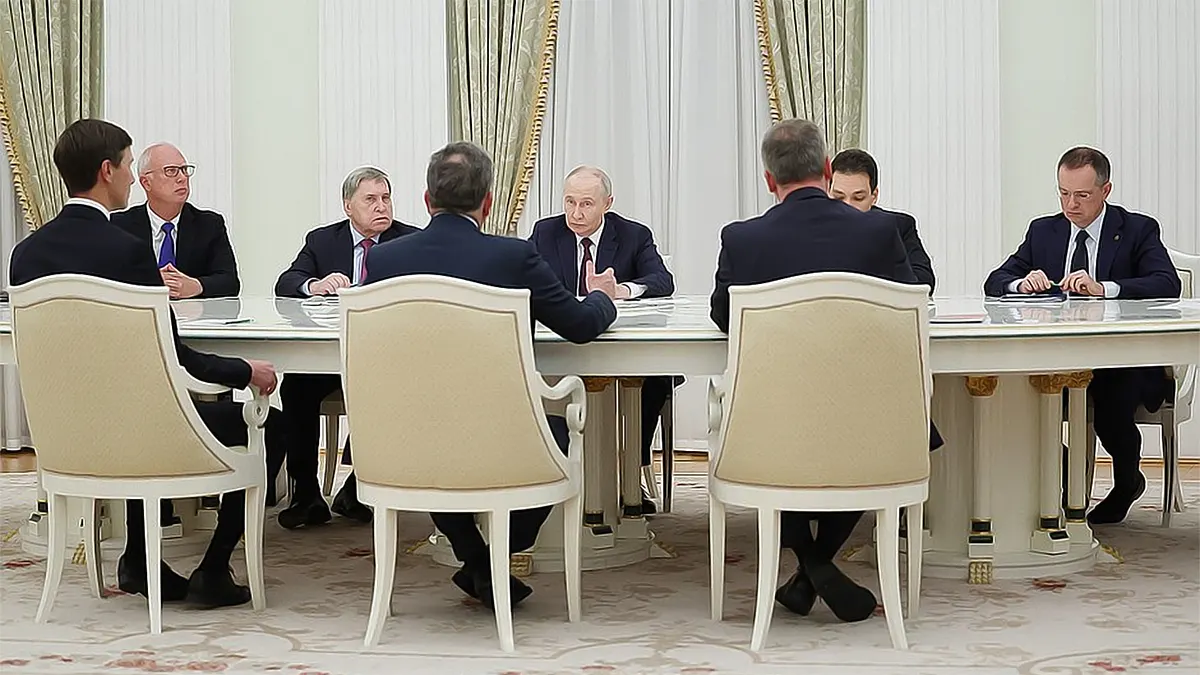
Beyond the trilateral discussions with Trump, Xi and Putin also held bilateral talks in Shenzhen on November 18.
The meeting provided another opportunity for the two countries to strengthen their strategic partnership and discuss economic and international issues.
Their relationship has become increasingly important as both governments face tensions with Western countries over security, trade, and international policy.
Putin’s Shenzhen schedule also included a visit to Shenzhen MSU-BIT University, a joint educational institution established by Moscow State University and the Beijing Institute of Technology.
During the visit, Putin was expected to address students and faculty members, highlighting the educational and institutional dimensions of Russia-China cooperation.
Trump-Kim Meeting Speculation Fades as Kim Stays Away
Another potential diplomatic development that attracted attention before the summit was the possibility of a meeting between Trump and North Korean leader Kim Jong Un.
Trump had suggested earlier in the week that Kim would like to attend the Shenzhen gathering and left open the possibility of meeting him.
He also indicated that the decision would depend partly on Xi Jinping.
The Kremlin had separately suggested that Putin would be willing to meet Kim if the North Korean leader appeared.
However, Kim did not make an appearance during the summit’s main events.
Consequently, the anticipated Trump-Kim encounter did not materialize, leaving another potential diplomatic opportunity unresolved.
Although the speculation generated considerable interest, no confirmed meeting arrangement had been announced.
Berlin Counter-Summit Highlights Europe’s Concerns Over Ukraine
While world leaders gathered in Shenzhen, another important diplomatic meeting was taking place in Berlin, Germany.
On November 19, representatives from 37 countries convened for a meeting of the Coalition of the Willing, hosted by German Chancellor Friedrich Merz alongside French President Emmanuel Macron and British Prime Minister Andy Burnham.
The gathering focused on maintaining political, financial, and military support for Ukraine while discussing potential security guarantees and diplomatic pathways toward a lasting peace.
The timing was particularly significant because Trump, Xi, and Putin were holding their own discussions in China.
European governments have expressed concern about the possibility of decisions concerning Ukraine’s future being discussed without sufficient involvement from Kyiv and its European partners.
The Berlin meeting therefore served as an opportunity for Ukraine’s supporters to coordinate their positions and reinforce their commitment to the country’s security.
Rather than representing a direct alternative to APEC, the gathering illustrated the broader geopolitical divisions surrounding the war in Ukraine and the role of major powers in determining its future.
What the Shenzhen Summit Means for Asia-Pacific Trade
Beyond the individual diplomatic meetings and bilateral agreements, the Shenzhen summit has renewed attention on the future of regional economic integration.
One of the major long-term ambitions discussed during the gathering was the proposed Free Trade Area of the Asia-Pacific (FTAAP).
The initiative aims to eventually create a more integrated trading environment across all 21 APEC member economies, representing approximately 60% of global economic output.
However, achieving such an agreement remains a considerable challenge.
The Asia-Pacific region includes economies with different political systems, regulatory frameworks, and economic priorities. Rising trade restrictions, technology disputes, and geopolitical competition also complicate efforts to establish common rules.
For now, leaders are focusing on improving cooperation between existing regional trade agreements, including the Regional Comprehensive Economic Partnership (RCEP) and the Comprehensive and Progressive Agreement for Trans-Pacific Partnership (CPTPP).
Other priorities include customs modernization, digital trade standards, smart ports, and more resilient supply chains.
These measures could help reduce trade costs and improve the movement of goods across the region, even without a single comprehensive free trade agreement.
Bilateral Agreements Deliver More Immediate Results
The summit has also demonstrated why bilateral negotiations remain important to Asia-Pacific economic cooperation.
Unlike APEC declarations, bilateral trade agreements can establish specific obligations between participating countries, including tariff reductions, market-access provisions, and investment protections.
Several developments during the Shenzhen gathering illustrate this approach:
- Philippines-Chile CEPA: Establishes a new bilateral free trade relationship between Southeast Asia and South America.
- Canada-China tariff arrangement: Expands tariff relief for selected Canadian exports and extends trade-remission measures for Chinese industrial products.
- Indonesia-China cooperation commitments: Creates investment and development opportunities across smart cities, manufacturing, infrastructure, and energy technology.
- Indonesia-Canada CEPA: Opens another channel for preferential trade between Southeast Asia and North America.
The distinction matters because APEC’s consensus-based framework does not itself create legally binding trade treaties. Its primary role is to facilitate dialogue, establish shared priorities, and encourage voluntary cooperation.
The actual economic impact will therefore depend on how individual governments and businesses translate these commitments into implemented projects and commercial activity.
Shenzhen Summit Puts Asia-Pacific Cooperation to the Test
The 2026 APEC Summit has produced a mixture of regional commitments, bilateral trade arrangements, and high-level diplomatic engagements.
The adoption of the Shenzhen Vision gives member economies a shared roadmap for cooperation in trade, connectivity, and innovation. Meanwhile, agreements involving Canada, China, Indonesia, and the Philippines demonstrate how individual countries are pursuing more immediate economic opportunities.
However, the summit’s geopolitical developments reveal a more complicated picture.
The unprecedented Trump-Xi-Putin meeting, Japan’s diplomatic difficulties with China and Russia, and the parallel discussions in Berlin over Ukraine highlight the divisions that continue to influence international relations.
For Asia-Pacific economies, the challenge is to maintain economic cooperation without allowing geopolitical rivalries to undermine regional stability.
Ultimately, the success of the Shenzhen summit will not be measured solely by declarations or diplomatic photographs. It will depend on whether the agreements and commitments made during the gathering translate into greater market access, stronger supply chains, sustainable investment, and tangible economic benefits for the region.