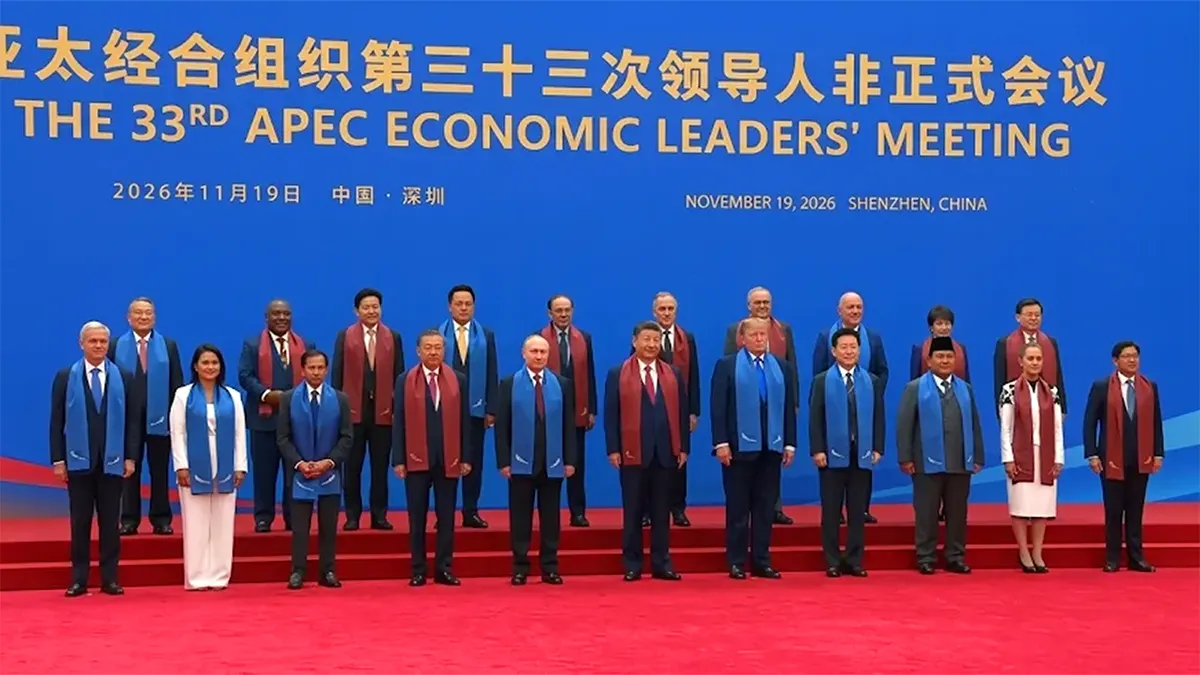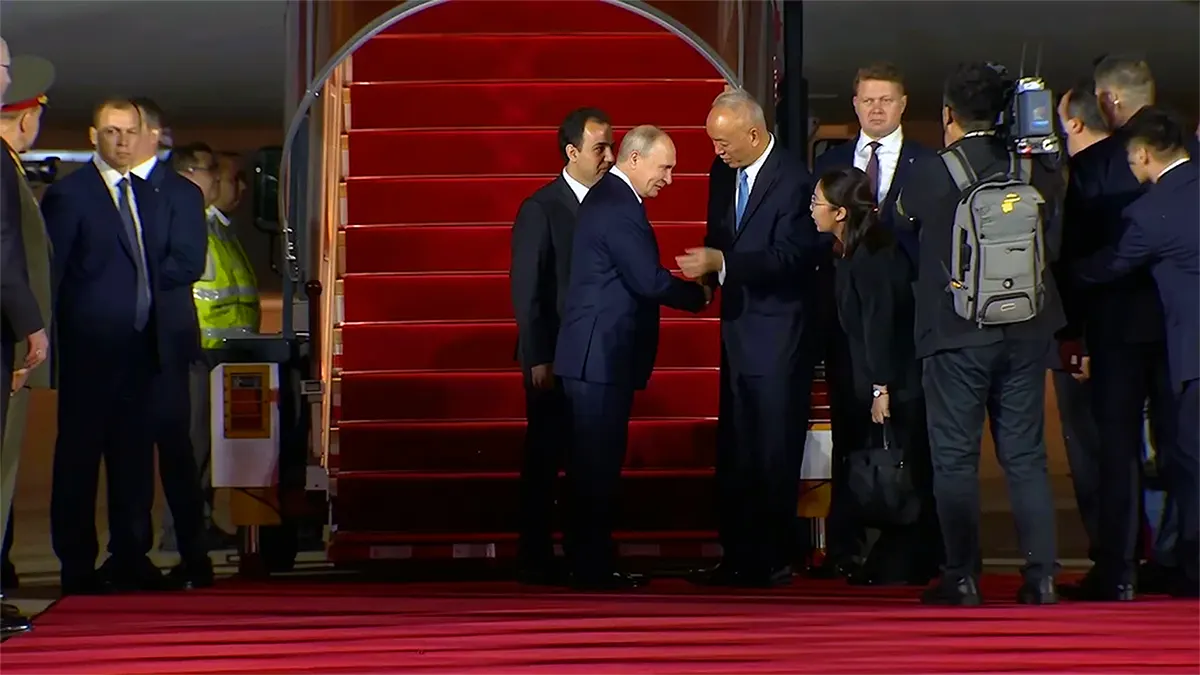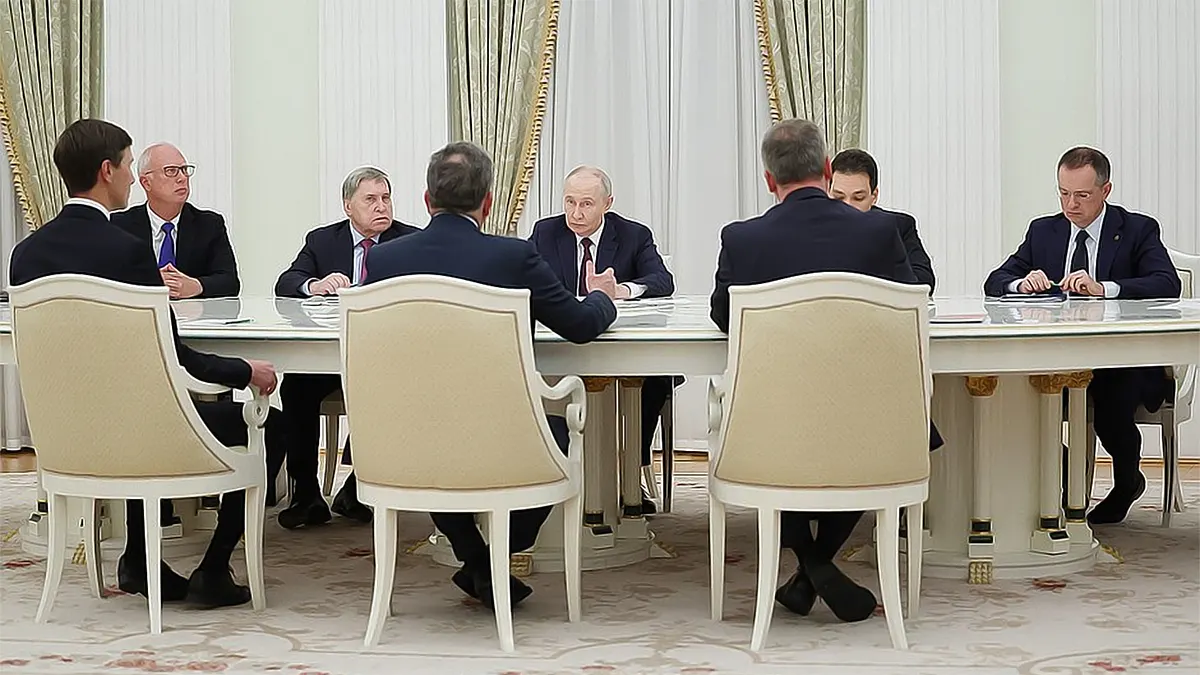
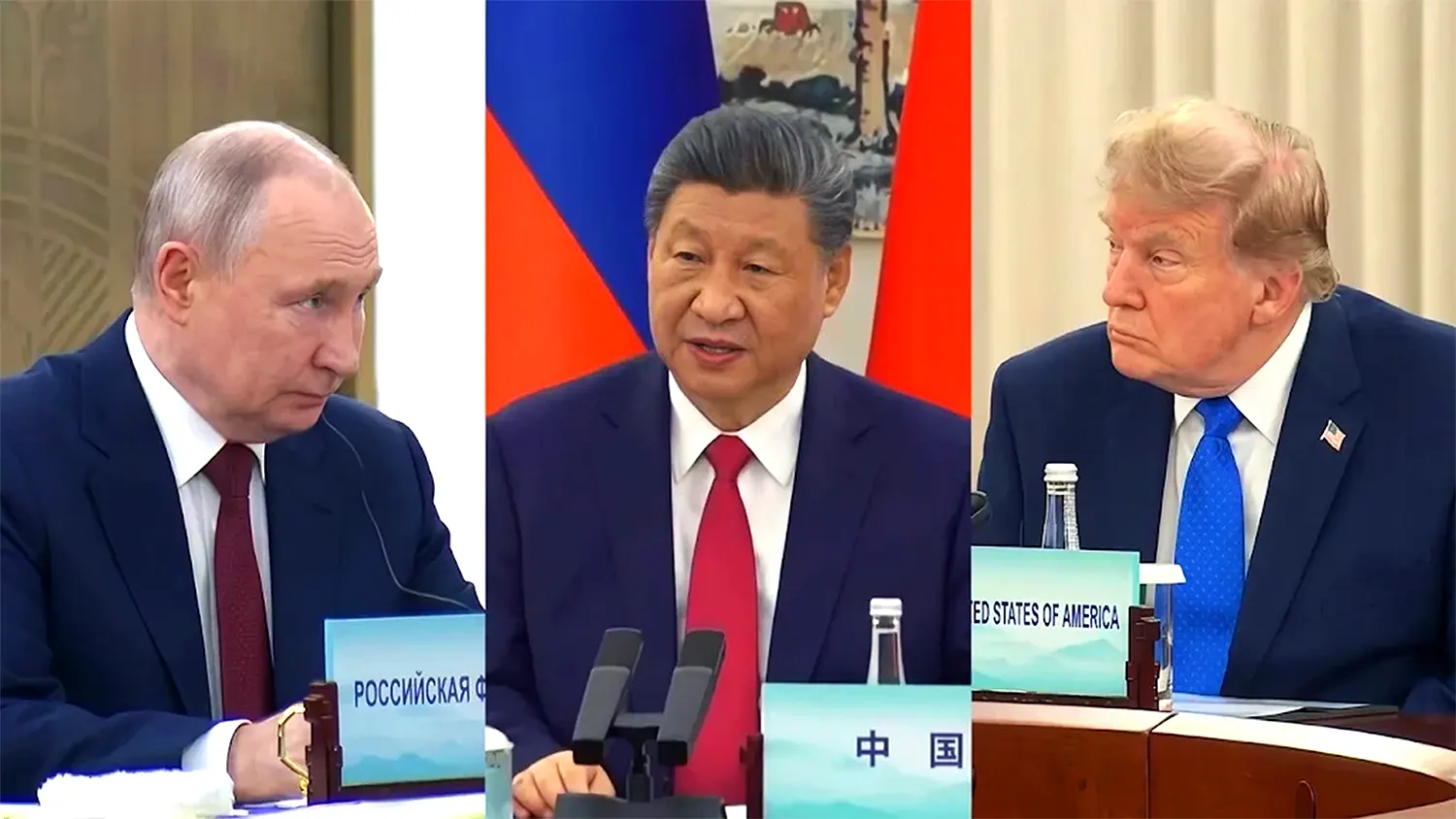
Three of the world’s most powerful leaders are in the same room. U.S. President Donald Trump, Chinese President Xi Jinping and Russian President Vladimir Putin began a rare three-way meeting on Thursday, November 19, 2026. It is taking place in Shenzhen, China, on the sidelines of the Asia-Pacific Economic Cooperation (APEC) summit. The Kremlin said the session was scheduled to last about an hour.
The setting matters as much as the guest list. This is a first of its kind meeting of the leaders of the U.S., China and Russia, and it covers wars, nuclear weapons and trade all at once.
Two One-on-One Meetings Set the Tone
Before the joint session, Trump held separate talks with each leader. His meeting with Putin lasted about 40 minutes. Russian state media said Putin left in an “excellent mood.” Trump said “a lot of wonderful things can come out of this.”
Trump also sat down with Xi, who said he wants to steer U.S.-China ties toward “strategic stability.” Both sides spoke warmly, but as the day went on it became clear that the warm words had not yet turned into agreements.
Ukraine Talks Without Ukraine
The war in Ukraine, now nearly five years old, is one of the biggest topics. Putin pushed for the three-way format to discuss ending it. Trump said before the talks that a deal was “very close.”
Ukrainian President Volodymyr Zelenskyy and European leaders see it differently. They say no settlement can be legitimate without Kyiv at the table. U.S. envoys are due to brief Ukrainian officials in Berlin on what was discussed. Many analysts see the summit as a diplomatic win for Moscow, since it breaks Putin’s isolation and frames the war as a matter for great powers. They do not see it as a sign that Russia is ready for big concessions.
China’s position is different again. Beijing has called the conflict largely a European issue and keeps its public message focused on “global peace and stability.”
Nuclear Weapons: Trump Pushes, China Hesitates
Trump opened the three-way session by saying the three countries, as the world’s largest nuclear powers, are “uniquely positioned” to talk about reducing nuclear weapons. The timing is notable. The New START treaty has expired, so no binding limits currently exist between the U.S. and Russia.
China is the sticking point. It has long refused to join three-way nuclear talks because its arsenal is much smaller than those of Washington and Moscow. A full three-nation treaty looks unlikely for now. More realistic next steps are lower-level working groups on crisis communication and the risks of AI.
Iran, Oil and the Strait of Hormuz
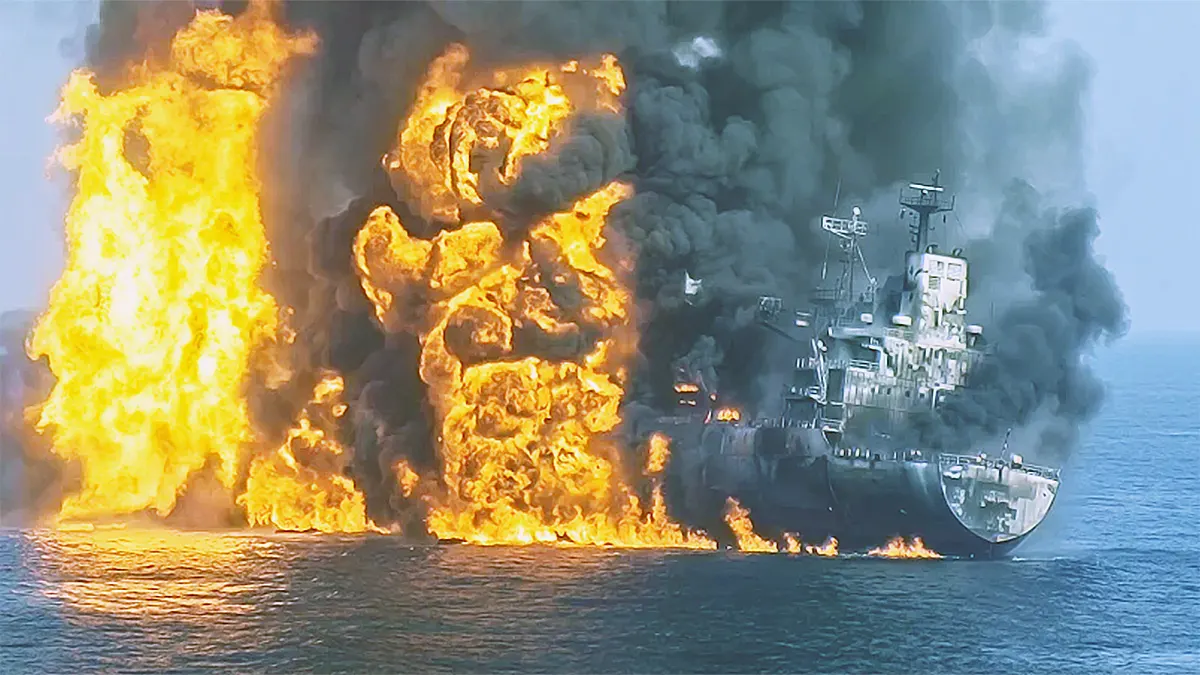
Trump also wants to talk about ending the war in Iran. Putin named energy security as a key topic. In his talks with Xi, Trump said the U.S. and China share an interest in keeping oil flowing through the Strait of Hormuz and in stopping Iran from getting a nuclear weapon.
The subject is delicate. China buys a lot of Iranian oil, and Russia has close ties to Tehran. Analysts say neither Xi nor Putin has much reason to pressure Iran into a deal that would help Washington out of a costly conflict. Meanwhile, military activity in the region is growing. A third U.S. aircraft carrier group has reportedly arrived, and Trump has warned that the U.S. could resume full combat operations if Iran rejects its demands.
Tariffs, Chips and a Truce Running Out
Trade is the quiet pressure behind everything. Trump said the U.S. and China have “split their tariffs in a fair way” and credited the U.S.-China Board of Trade, formed in May 2026, for bringing balance. But the current trade truce expires in January 2027, and tension is rising after Washington tightened export controls on advanced AI chips. Beijing has threatened to retaliate.
Putin used the summit to attack Western sanctions and export restrictions, calling them tools of “former hegemons” that have failed to crush Russia’s economy. Any easing of those sanctions is closely tied to a possible peace deal on Ukraine. The U.S. has also started a 60-day review of Russia sanctions after a Trump waiver in October.
Taiwan Hangs Over the Room
Taiwan was not the headline of the three-way session, but Xi raised it directly with Trump. He warned Washington to “do the right thing” or risk major setbacks in the relationship.
Some capitals in Asia and Europe worry the summit looks like a modern Yalta, a reference to the 1945 conference where great powers divided up influence. The fear is that the three leaders could trade concessions on one another’s regional priorities. Those would be Ukraine for Putin, Taiwan and the South China Sea for Xi, and Iran or trade terms for Trump. Trump also pressed Xi on fentanyl cooperation and was expected to ask for the release of two detained Americans.
What Happens After Shenzhen
No concrete breakthroughs have been announced, and senior U.S. officials said beforehand that Washington “does not expect to get any kind of agreement.” Instead, expect a series of follow-ups:
- Briefings for allies: U.S. officials will update Ukraine and Europe, and Japan, Taiwan and the Philippines will watch U.S. moves closely.
- Working-level talks: Low-level discussions on nuclear arms and AI risks may begin.
- Trade deadline: The U.S. and China have roughly two months to extend their truce or face new tariffs.
- Tests on the ground: Fighting in Ukraine is likely to continue through winter, and the Iran talks mediated by Qatar and Pakistan are still underway.
For now, Shenzhen looks like an icebreaker and a show of great-power engagement, not a peace conference.