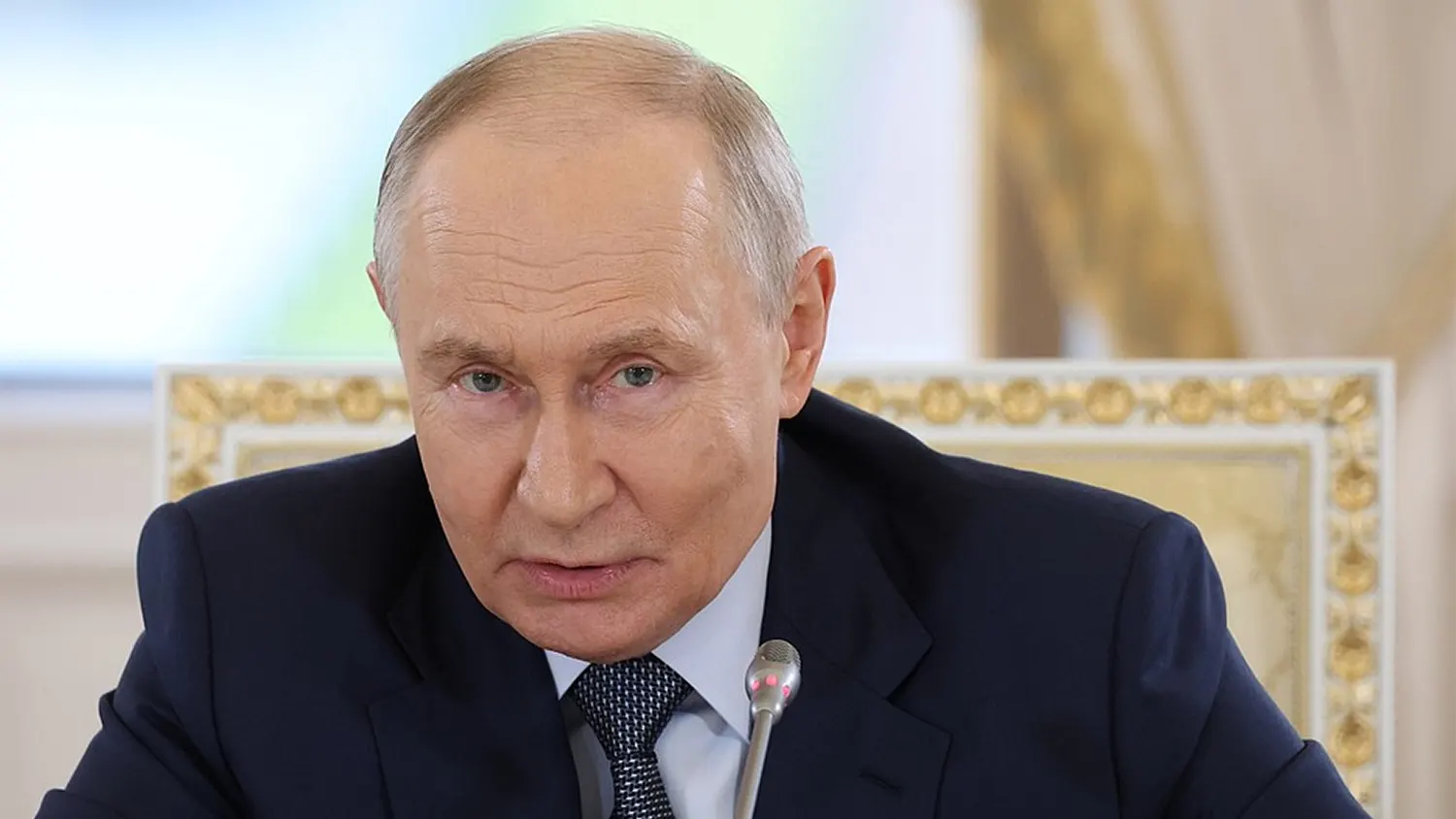
When Vladimir Putin stood at the St. Petersburg International Economic Forum and declared “I see no point in meeting,” he didn’t just reject a proposal. He handed Zelenskyy exactly the narrative he was looking for.
The Letter That Forced Russia’s Hand
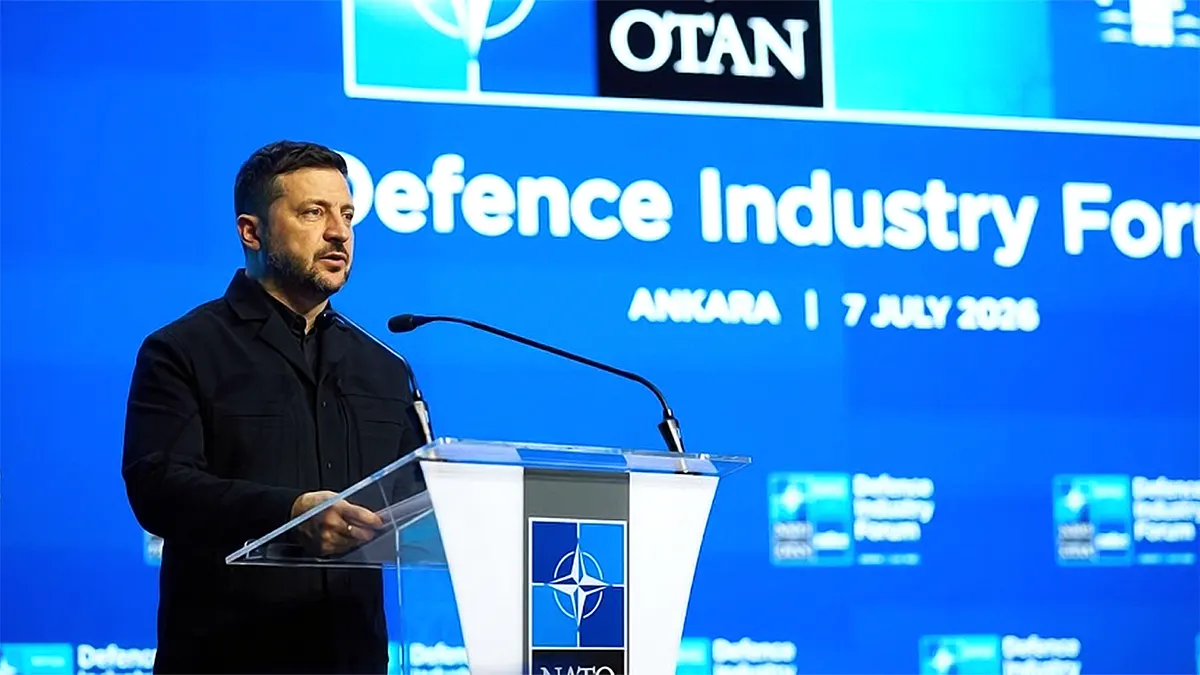
On June 4, 2026, Ukrainian President Volodymyr Zelenskyy published a direct and combative open letter, one that was never really designed to go unnoticed. With the Trump administration deeply consumed by the escalating conflict with Iran, Zelenskyy understood that Washington’s attention wasn’t coming back to Europe anytime soon. So he made his own move.
He proposed an immediate ceasefire and a face-to-face summit in a neutral third country Switzerland or Turkey and drew one clear line: negotiations must start from the current frontlines. No surrendering of territory as a precondition. No capitulation dressed up as compromise.
It was a calculated provocation as much as it was a genuine offer. And Moscow fell right into it.
How Putin Responded And What He Revealed
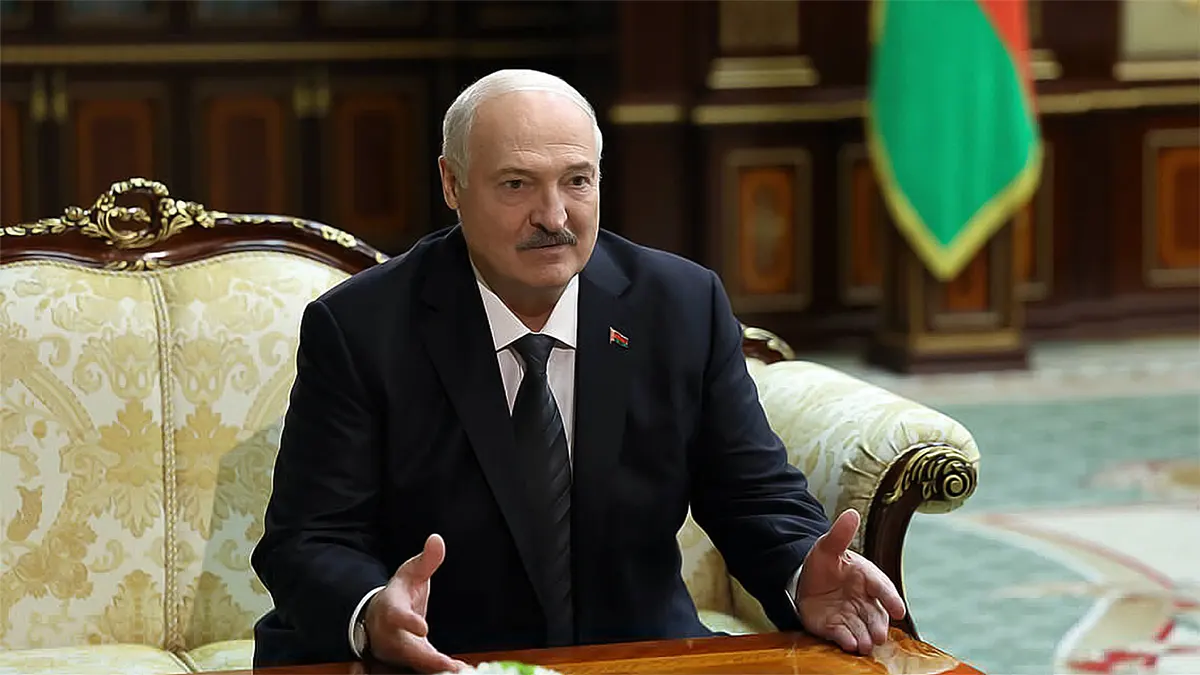
Putin used the St. Petersburg forum, Russia’s premier showcase of economic confidence to swat the proposal down. He called the letter “boorish” and “rude,” refused to even say Zelenskyy’s name (referring to him only as “its author”), and insisted there was “no point” in a summit.
His logic? A ceasefire right now would only stop the advance of Russian troops. In other words, Russia is winning or at least believes it is and has no reason to pause.
Putin also reiterated Russia’s full demands: Ukraine must completely surrender the Donbas, Kherson, and Zaporizhzhia regions. These are terms Kyiv has rejected as total capitulation since day one of the negotiations. He did leave a narrow rhetorical door open, he’s not opposed to talks forever but only if Ukraine first accepts solutions that align with Moscow’s position. Which, in practice, means surrender first, talk later.
The backdrop made this all the more striking. Just hours before Putin took the stage at the economic forum, Ukrainian long-range drones had struck an oil terminal in St. Petersburg, a detail Zelenskyy had already embedded in his open letter, pointedly writing that 1,000 kilometers is “not the limit of our capabilities.”
Putin brushed it off. But the symbolism was impossible to ignore.
Zelenskyy’s Counterpunch Was Ready Before Putin Finished Speaking
By June 5, Zelenskyy had his response: “weak.”
That single word did a lot of work. It reframed Putin’s rejection not as a position of strength or strategic discipline but as the reaction of an isolated, aging leader who cannot pivot to diplomacy even when offered an exit ramp.
Zelenskyy’s open letter had already planted this seed. He explicitly referenced Putin’s age (73) and his 26-year grip on power, writing that “age is beginning to take its toll” and suggesting that fatigue with his rule was growing inside Russia itself. The post-rejection speech was designed to water that seed.
There was also a harder geopolitical point being made. Zelenskyy reminded the public that Putin who once expected a swift military victory in days or weeks is now the first Russian leader forced to rely on North Korean troops and Chinese economic backing to sustain a war now entering its fifth year. The man who projected imperial confidence in 2022 is now dependent on Pyongyang for artillery shells.
By calling the response “weak,” Zelenskyy was saying: This is what desperation looks like when it’s wearing a suit.
Why the Failed Diplomacy Is Actually Doing Work
None of this is accidental. The entire exchange, the open letter, the rejection, the counterpunch functions as strategic communication as much as actual diplomacy.
Zelenskyy’s three-part calculation is clear:
Reclaiming attention away from Iran. With the U.S. focused elsewhere, Ukraine needed to generate its own diplomatic moment. By putting a ceasefire proposal on the table publicly, Kyiv forced the world to watch Moscow’s response. When Putin said no, Zelenskyy got to say: “Look we offered peace, they chose war.”
Targeting Putin’s domestic image. The repeated references to Putin’s age and long tenure weren’t random insults. They were designed to amplify a message that already circulates inside Russia that the war is costing too much, lasting too long, and serving one man’s ambitions, not the country’s interests.
Exposing dependency. Russia entered this war presenting itself as a self-sufficient military superpower. The fact that it now requires North Korean ammunition and Chinese financial lifelines is a fundamental crack in that image and Zelenskyy is determined to make sure no one forgets it.
Where This Leaves the War
The bigger picture here is that U.S.-brokered backchannel diplomacy has stalled. The high-level meetings held in Geneva earlier this year produced no visible movement. The frontlines remain locked in high-intensity fighting, with both sides trading heavy drone and missile strikes week after week.
Putin’s performance at St. Petersburg economic confidence on display, war costs downplayed, Western sanctions dismissed was aimed at his domestic audience as much as the international one. The message: Russia is not desperate. Russia does not need to hurry.
Zelenskyy’s performance was aimed at everyone else: Europe, the U.S., the Global South watching from the sidelines. His message: Russia refuses to end this. We’ve done everything short of surrender to prove it.
Both men are playing to their audiences. And for now, neither side is anywhere close to the table.