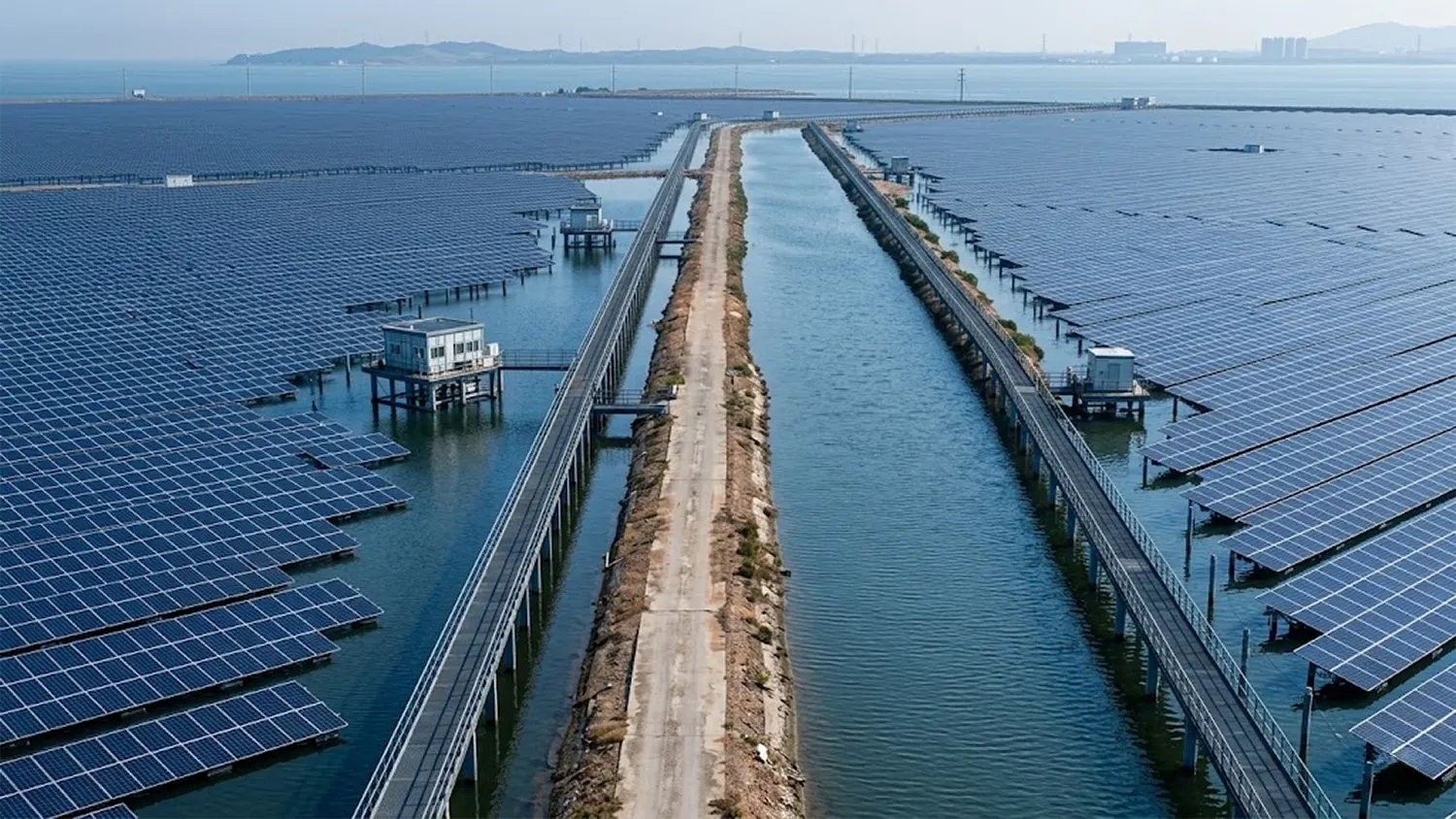
What if the country once known for heavy smog and coal power is now leading the clean energy revolution? It sounds surprising but in 2026, that’s exactly what’s happening in China. And the impact goes far beyond its borders.
From massive solar farms to record breaking wind projects, China’s shift toward renewable energy is reshaping not just its own future, but the planet’s as well.
The Scale of China’s Renewable Energy Boom
Let’s put things into perspective. China is now the world’s largest renewable energy producer, generating more clean power than the next three countries combined.
Here’s what’s driving that growth:
- Solar power is leading the charge, with over 1,200 GW installed
- Wind energy continues to expand rapidly across the country
- Hydropower projects, like the massive Three Gorges Dam, add steady supply
In fact, China installs about half of the world’s new solar panels each year. Think of it like building a new power system almost every year, that’s how fast things are moving.
Even more impressive? For the first time ever, China’s solar and wind capacity has surpassed coal. That’s a major shift for a country long dependent on fossil fuels.
The “60% Tipping Point” Explained
In early 2026, China reached a milestone that experts have been watching closely: renewables now make up over 60% of its total power capacity.
What does that mean in simple terms?
Imagine your home has multiple power sources solar panels, batteries, and a backup generator. Now imagine most of your setup is clean energy. That’s essentially what China has built, but on a massive scale.
However, there’s an important detail:
- While clean energy dominates infrastructure, it doesn’t yet produce all the electricity
- Currently, about one third of actual electricity comes from renewable sources
Why the gap? Because solar and wind depend on weather. Coal plants still act as a reliable backup system, especially at night or during low wind periods.
Cleaner Air and a Healthier Environment
This shift isn’t just about numbers, it’s something people can actually feel.
For years, cities like Beijing struggled with thick smog. Now, thanks to cleaner energy and electric vehicles, air quality is improving.
- China recently introduced stricter air quality standards
- Coal use in power generation has started to decline
- Harmful pollution levels, like fine particles in the air, are being reduced
It’s like switching from a smoky fireplace to a cleaner electric heater, you notice the difference almost immediately.
A New Kind of Economic Growth
Here’s where it gets even more interesting: renewable energy isn’t just helping the environment, it’s powering China’s economy.
In 2025:
- Clean energy industries drove over 90% of investment growth
- The sector contributed around $2.1 trillion to the economy
To put that into perspective, if China’s clean energy sector were a country, it would rank among the world’s largest economies.
This shows a powerful shift: going green is no longer just about responsibility, it’s also about economic opportunity.
The Reality Check: Challenges Still Exist
While the progress is impressive, it’s not a perfect system yet.
China is still:
- Building coal plants as “backup power” for stability
- Dealing with methane emissions from older coal mines
- Relying on fossil fuels for a significant share of actual electricity production
Think of it like upgrading to solar at home but still keeping a generator just in case. The transition is happening but it takes time.
What This Means for the World
China’s transformation is bigger than just one country. It proves something important:
Economic growth and lower emissions can happen at the same time.
For decades, more growth meant more pollution. Now, China is showing a different path one where clean energy meets rising demand without increasing carbon emissions.
In fact, emissions have been flat or declining for nearly two years, a major milestone for a country of this size.
Final Thoughts: A Shift Worth Watching
China’s “green leap” is one of the most significant environmental stories of our time. It’s not perfect, and challenges remain but the direction is clear.
The air is getting cleaner. The economy is getting greener. And the world’s largest energy consumer is starting to change how it powers the future.
For everyday readers, the takeaway is simple: big change is possible. Whether it’s a country or an individual, small steps like choosing cleaner energy can add up to something massive.
And if a system this large can begin to shift, it raises an important question:
What could happen if the rest of the world follows?