For millions in Lebanon, the guns have fallen silent but the crisis is far from over. A 10 day ceasefire between Israel and Lebanon has created a brief window of calm, yet what people are returning to is not peace, but devastation.
As families head back to their homes, many are finding only rubble. At the same time, global powers are racing to turn this pause into something more permanent. The question now is simple but urgent: can this fragile truce hold, or is it just a break before the next escalation?
The Root of the Conflict
To understand this moment, it’s important to look at the deeper tension between Israel and Hezbollah.
For years, the border has been unstable, with periodic clashes and unresolved security concerns. Israel views Hezbollah as a direct threat, especially near its northern border. Hezbollah, backed by regional allies, positions itself as a resistance force inside Lebanon.
This long standing standoff means that even small incidents can quickly escalate into wider conflict. And in 2026, that’s exactly what happened.
A Ceasefire Begins But War Leaves Its Mark
The current ceasefire began on April 17, brokered under U.S. pressure. Now, just days in, it has already revealed the scale of destruction.
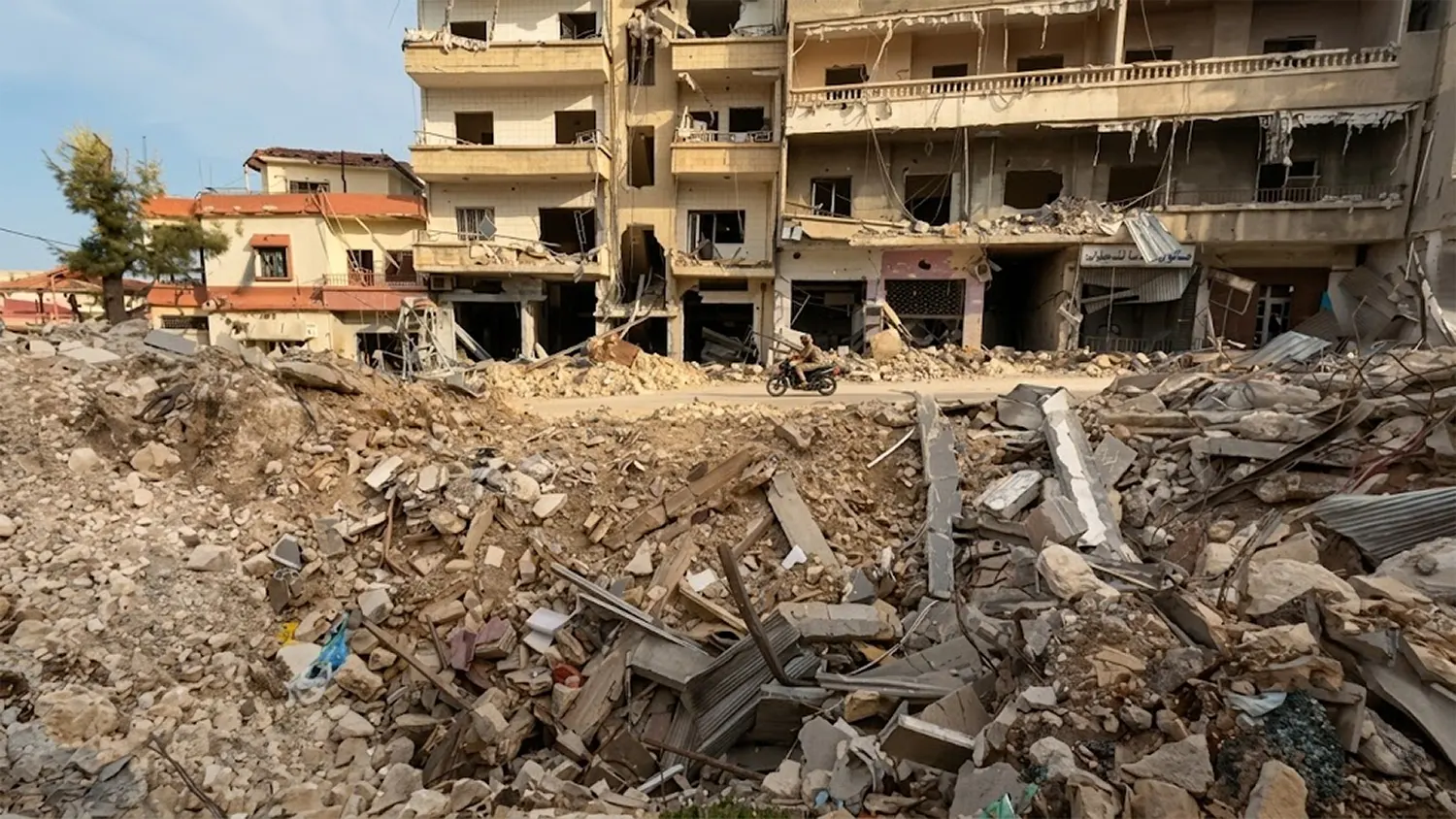
An estimated 1.2 million displaced people are returning home, creating massive traffic jams as families rush south from Beirut. But what they find is often heartbreaking.
Entire neighborhoods in cities like Tyre have been reduced to rubble. Homes, schools, and clinics are gone, leaving many with nowhere to go. Some families are sleeping in cars or setting up makeshift shelters next to what used to be their homes.
As a result, the ceasefire has shifted the crisis. The struggle is no longer just about surviving airstrikes, it’s about surviving the aftermath.
The Reality on the Ground
Even with the fighting paused, danger remains everywhere.
The destruction of key infrastructure has made daily life extremely difficult. Water systems and electricity networks are down across large areas, and hospitals are overwhelmed or damaged.
Adding to the risk is the presence of unexploded ordnance (UXO) bombs and shells that failed to detonate. These “silent killers” are scattered throughout the rubble, turning cleanup efforts into life threatening tasks.
Despite warnings from both the Lebanese army and Israeli forces, thousands are still returning. For many, the pull of home is stronger than the fear of danger.
The Terms of a Fragile Truce
While the ceasefire has stopped large scale fighting, it is far from stable.
Israel, led by Benjamin Netanyahu, has made it clear that security remains the top priority. Israeli forces are maintaining a buffer zone inside southern Lebanon, preventing full civilian return in some areas.
At the same time, the agreement includes a broad “right to respond” clause, allowing military action if either side claims a threat.
This creates a dangerous situation. Even a small incident could trigger a return to full scale conflict without technically breaking the ceasefire.
Pressure on Lebanon and Internal Divisions
Inside Lebanon, the situation is just as complex.
The government, led by Joseph Aoun, is under pressure to deploy the national army to the south and prevent Hezbollah from rearming.
But this is easier said than done. Hezbollah is not just a militant group, it is also deeply embedded in Lebanese society and politics.
Any direct confrontation between the army and Hezbollah risks triggering internal instability or even civil conflict.
As a result, Lebanon’s strategy has been cautious, focusing on maintaining visible control without provoking escalation.
The U.S. and Regional Stakes
Behind the scenes, the United States is playing a central role.
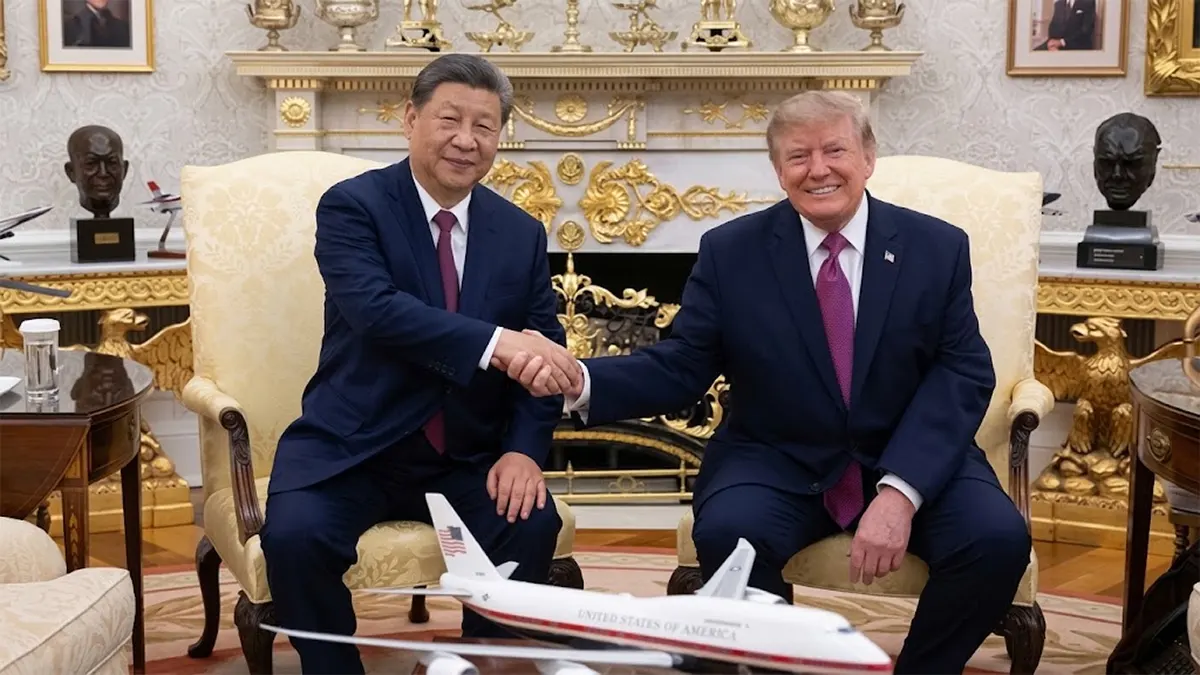
Donald Trump has pushed for the ceasefire and is now trying to bring both sides to the negotiating table in Washington. This diplomatic effort is seen as the best chance to extend the truce into a longer term agreement.
But the stakes go beyond Lebanon. Across the region, tensions remain high, particularly involving Iran.
If the ceasefire collapses, it could trigger a wider regional crisis, affecting multiple diplomatic tracks and increasing instability across the Middle East.
A Humanitarian Crisis Unfolds
While political leaders negotiate, ordinary people are facing a growing humanitarian disaster.
More than 140,000 people remain in temporary shelters, while others return to areas with no basic services. Food shortages are worsening, and the healthcare system is under severe strain.
The economic impact is equally severe. Lebanon’s economy, already fragile, has been pushed deeper into collapse, with billions of dollars in damage and millions more falling into poverty.
In many ways, the ceasefire has exposed a painful reality: ending the fighting is only the beginning of recovery not the end of suffering.
The Risk of Collapse Still Looms
All eyes are now on the coming days.
The 10 day ceasefire is essentially a countdown. Diplomats hope it can be extended, but the risks are clear.
A single miscalculation, a disputed strike, or a breakdown in talks could unravel everything. At the same time, successful negotiations could mark the first real step toward stability in years.
This moment is a turning point but it could go in either direction.
Peace on Paper, Uncertainty on the Ground
Lebanon’s ceasefire is both a moment of relief and a warning.
The guns may be quiet, but the conflict is far from resolved. Millions are returning not to safety, but to destruction, uncertainty, and risk.
Whether this fragile pause becomes lasting peace or just a brief break in the violence will depend on decisions made in the coming days.
For now, Lebanon stands in a difficult space between war and recovery, where hope and hardship exist side by side.