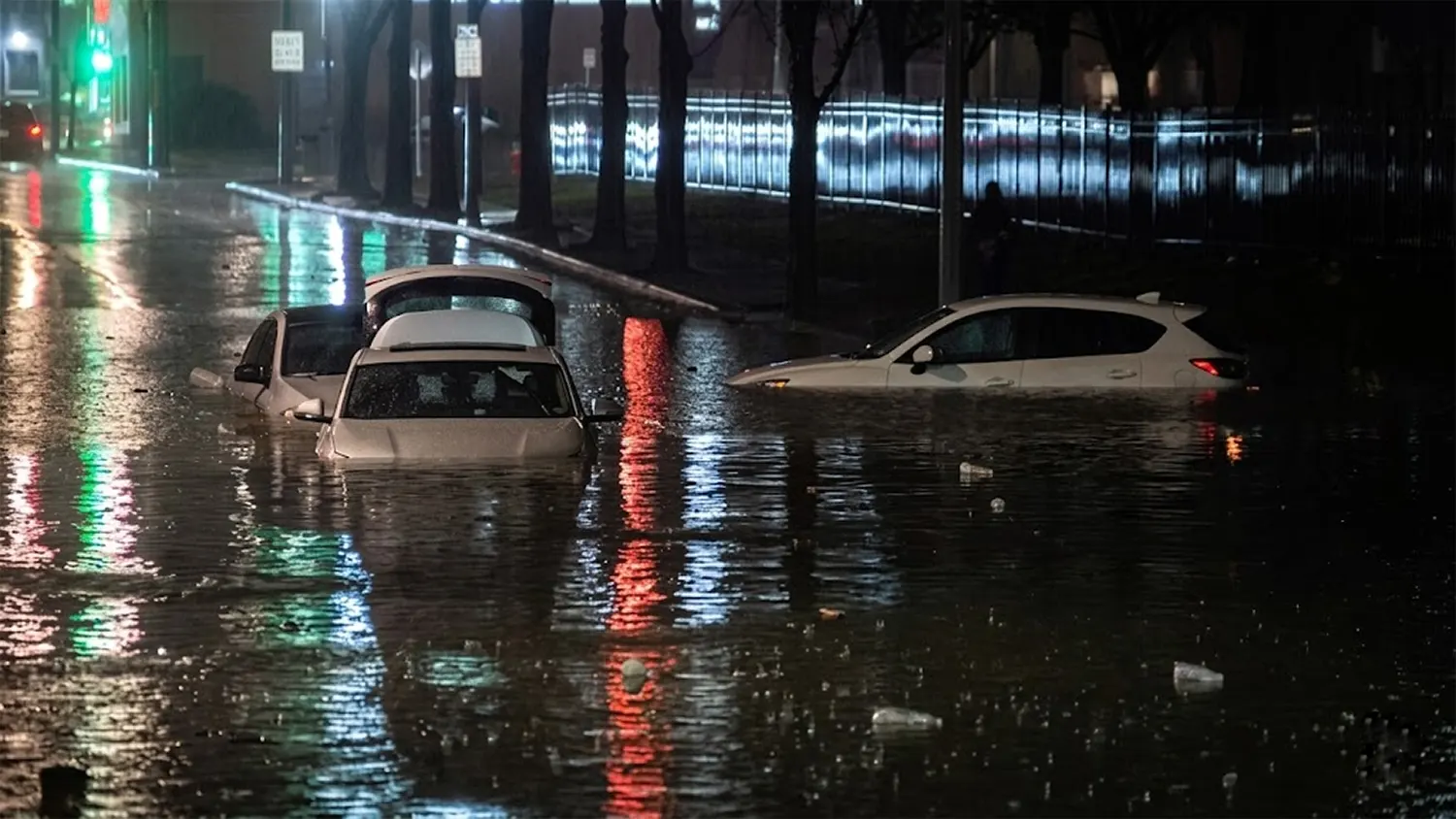
It has been an exhausting and alarming week for Milwaukee. What began as a series of storms has rapidly escalated into a full scale urban flooding disaster, overwhelming infrastructure, disrupting daily life, and putting thousands at risk. As of April 17, 2026, the situation is no longer a temporary inconvenience, it is a serious humanitarian and infrastructure emergency demanding immediate attention.
A City Under Water: How the Crisis Unfolded
The trouble began earlier in the week with a relentless “conveyor belt” of storms sweeping across southern Wisconsin. Before the floods even arrived, the region endured a tornado outbreak, with at least five confirmed touchdowns. These storms weakened infrastructure, downed power lines, and saturated the ground setting the stage for what would come next.
By Wednesday night, April 15, torrential rainfall pushed the system past its limits. Within hours, streets transformed into rivers and highways into impassable barriers. Milwaukee recorded several inches of rain in just a few hours, a volume far beyond what urban drainage systems are designed to handle.
As the rain continued into Thursday, the situation escalated rapidly, culminating in a statewide State of Emergency declaration.
State of Emergency: What It Means
Governor Tony Evers issued an emergency order targeting the devastation in Milwaukee and surrounding areas. This declaration is not symbolic, it enables critical emergency measures, including:
- Deployment of the National Guard for rescue, security, and evacuation support
- Mobilization of state resources to assist overwhelmed local agencies
- Accelerated disaster response coordination across affected regions
This move underscores the severity of the crisis: Milwaukee is facing conditions more commonly associated with coastal hurricanes than inland storms.
Infrastructure Overwhelmed: Roads, Systems, and Neighborhoods
The city’s infrastructure has taken a direct hit. Drainage systems failed under the pressure, causing water to accumulate faster than it could be removed.
Major highway closures quickly followed:
- I-43 southbound at Becher Street was shut down
- The Stadium Interchange became submerged
- Water levels rose high enough to reach the windows of stranded vehicles
In one of the most striking scenes, the area surrounding American Family Field turned into what locals described as a “stadium sea.” Fans leaving a baseball game found themselves wading through knee-deep water, with some vehicles already floating in flooded parking lots.
Meanwhile, Marquette University experienced severe flooding near 15th and Kilbourn, with water entering buildings and disrupting campus facilities.
On the city’s North Side, particularly around Lincoln Creek, the damage has been even more severe. Residents reported buckled ceilings, collapsed basements, and structural damage caused by intense water pressure.
Human Impact: Rescues and Tragedy
Beyond infrastructure, the human toll is becoming increasingly clear.
The Milwaukee Fire Department responded to over 60 flood-related emergencies in a single night, many involving motorists trapped in rapidly rising water. These rescues required specialized equipment and significant manpower, stretching emergency services to their limits.
Tragically, the storms also claimed a life. A man in Pewaukee was struck and killed by lightning during the height of the storm, an abrupt reminder of how unpredictable and dangerous severe weather can be.
A Hidden Danger: Contaminated Water
One of the less visible but equally serious threats comes from the city’s sewer system. The Milwaukee Metropolitan Sewerage District was forced to initiate a combined sewer overflow, releasing untreated wastewater into rivers and Lake Michigan to prevent even worse backups.
This means that floodwaters may be contaminated with sewage, posing health risks to anyone who comes into contact with them. Officials strongly advise residents to avoid all floodwater, no matter how shallow it appears.
The Golden Rule: “Turn Around, Don’t Drown”
A consistent theme throughout this crisis has been underestimation of floodwater danger. Many of the rescues involved drivers attempting to navigate flooded roads, only to become stranded within minutes.
The safety message is simple but critical:
Turn around, don’t drown.
Even a small amount of moving water can sweep away a vehicle, and standing water often hides deeper hazards like sinkholes or debris.
What Comes Next: Continued Danger Ahead
Although the heaviest rain has tapered off, the danger is far from over.
- A Flood Watch remains in effect until Saturday morning
- Additional storms on April 17 could bring up to 0.75 inches of rain
- The Wisconsin River is expected to crest at major flood stage, its highest level in 16 years
Compounding the risk is the already saturated ground. With nowhere for new rain to go, even light showers could trigger immediate flash flooding.
A sharp temperature drop is also expected, with a cold front pushing temperatures from the 70s down into the 40s overnight adding another layer of stress for affected residents.
Signs of Recovery But a Long Road Ahead
There is some relief on the horizon. The weekend forecast suggests clearer skies and drier conditions, though temperatures will remain unseasonably cold.
Cleanup efforts are already underway:
- Crews are working to clear blocked drains
- Structural inspections are being conducted on major roadways
- Emergency services remain on high alert
However, recovery will take time. The combination of flood damage, infrastructure strain, and environmental contamination means Milwaukee faces weeks if not months of rebuilding.
Final Thoughts: A City Tested by Nature
Milwaukee’s recent crisis highlights how quickly natural disasters can escalate, especially when multiple extreme weather events occur in succession. Tornadoes, record rainfall, and flooding have combined into a compound disaster, pushing systems beyond their limits.
For residents, vigilance remains essential. Stay informed, heed official warnings, and avoid unnecessary travel.
Because in situations like this, awareness and caution are not just helpful, they are life saving.