As summer temperatures rise in Alaska, residents of Juneau are facing a familiar yet increasingly dangerous threat. This time, however, the scale is unprecedented.
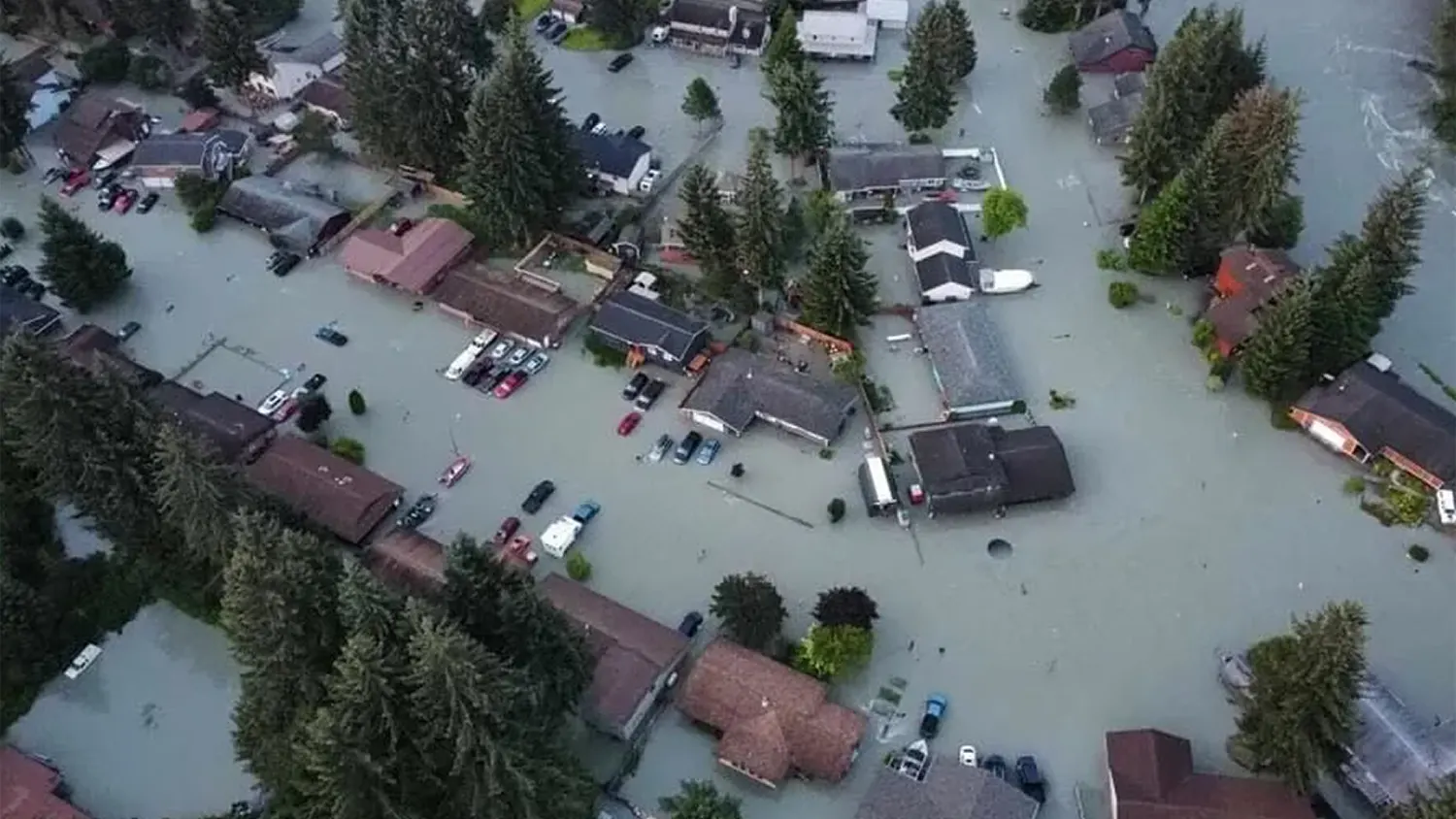
A potential record breaking glacial outburst flood is unfolding, forcing officials to issue evacuation advisories and activate emergency response systems. Homes, roads, and critical infrastructure along the Mendenhall River are now at risk.
What makes this event different isn’t just timing, it’s intensity. And for many in Juneau, it signals a growing reality tied to climate change.
What Is a Glacial Outburst Flood?
At the center of the crisis is a natural phenomenon known as a glacial outburst flood (GLOF), a sudden release of water trapped behind or within a glacier.
In Juneau’s case, the source is Suicide Basin, a side basin connected to the Mendenhall Glacier. Each summer, melting snow and ice fill the basin like a reservoir.
Eventually, pressure builds to a tipping point.
When the ice dam fails, water surges downstream with little warning, flowing into Mendenhall Lake and then the Mendenhall River.
While this cycle happens annually, the current event is expected to be the most severe on record.
Rising Waters: A Record in the Making
According to the National Weather Service, the basin reached full capacity and began spilling over earlier this week. By Tuesday, water had already started escaping beneath the glacier.
The real concern lies in the forecast.
The Mendenhall River is expected to crest between 16.3 and 16.8 feet, surpassing last year’s record of 15.99 feet.
That difference may seem small, but even a few inches can significantly expand flood zones and increase damage.
As a result, officials are closely monitoring water levels while preparing for worst-case scenarios.
Emergency Response and Evacuation Efforts
In response to the escalating threat, local and state authorities have moved quickly.
The City and Borough of Juneau, working alongside Tlingit & Haida and federal agencies, has activated a unified emergency command.
At the state level, a disaster declaration has been issued, allowing faster deployment of resources and support.
To protect vulnerable areas, crews have installed a temporary levee system:
- 10,000 Hesco barriers (large, sand filled structures)
- Covering approximately 2.5 miles of riverbank
- Designed to shield over 460 properties
Despite these efforts, officials are urging residents in high risk zones to evacuate.
A temporary shelter has been established at Floyd Dryden Gymnasium to accommodate displaced residents.
Community Response: Between Caution and Concern
On the ground, reactions vary. Some residents are leaving as advised, while others are choosing to stay and defend their homes.
Many have taken additional steps, such as building personal berms or reinforcing property boundaries.
Still, the situation remains uncertain.
The unpredictable nature of glacial floods means water can bypass barriers or shift direction unexpectedly.
This has created a tense atmosphere across the community, one marked by vigilance, preparation, and underlying anxiety.
Climate Change and Long Term Risk
Beyond the immediate crisis, this event highlights a broader and more concerning trend.
Researchers warn that retreating glaciers and accelerated ice melt are increasing both the frequency and severity of glacial outburst floods.
In Juneau, this is no longer a rare occurrence, it’s becoming a seasonal threat.
The U.S. Army Corps of Engineers has already launched a multi year study to develop long term mitigation strategies, but solutions will take time.
In the meantime, communities like Juneau must adapt to a changing environment where extreme events are becoming more common.
A Warning Sign for the Future
The unfolding situation in Juneau is more than just a local emergency.
It’s a clear example of how climate driven risks are evolving in real time.
While immediate efforts focus on protecting lives and property, the long term challenge lies in building resilience against increasingly powerful natural events.
For residents, staying informed and prepared remains critical. For policymakers, the message is equally clear:
Proactive planning and climate adaptation are no longer optional, they are essential.