A Routine Journey Turns Deadly
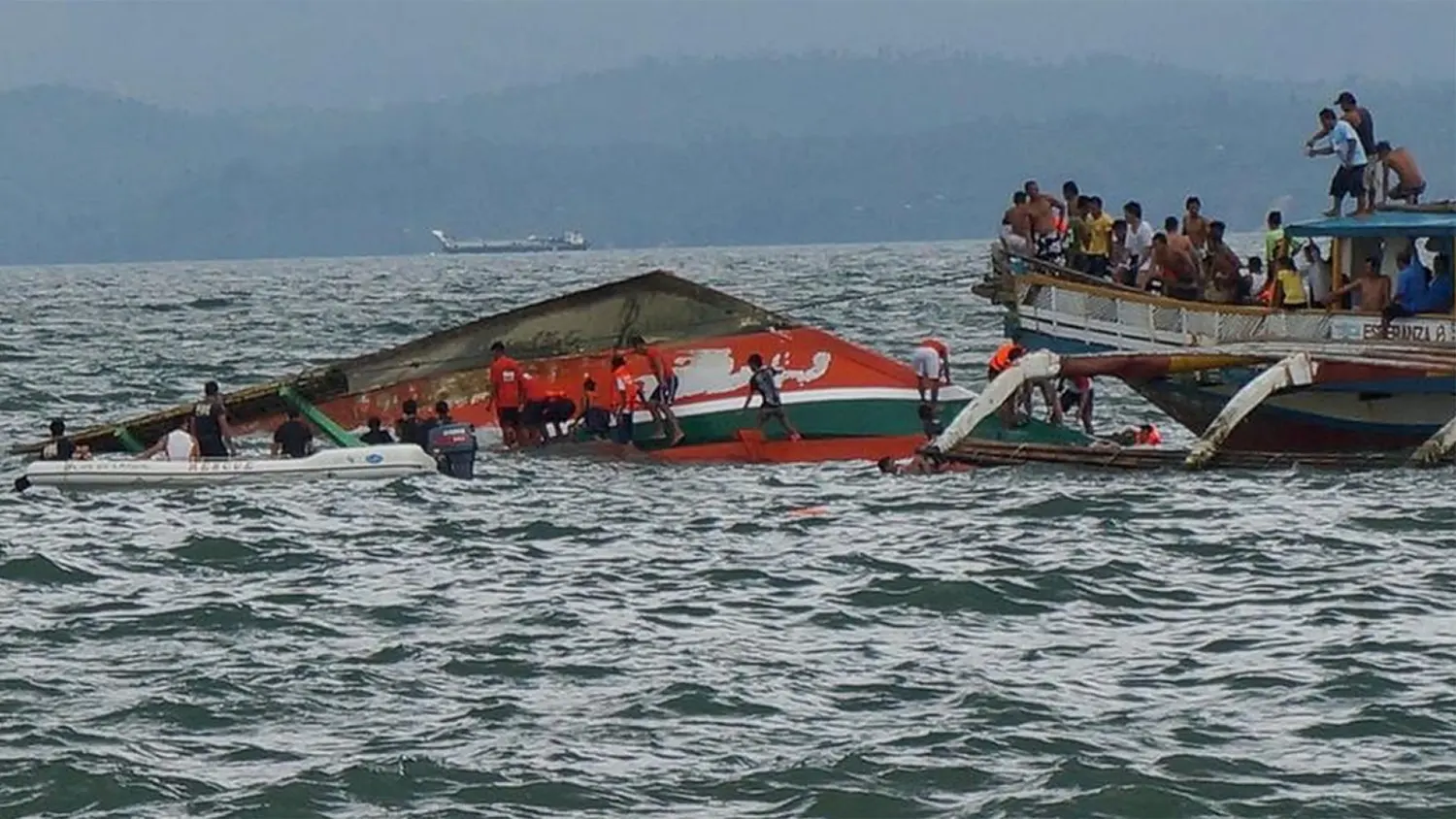
What began as a routine trip to market ended in tragedy in northwestern Nigeria. A passenger boat carrying dozens of people capsized in Sokoto state, leaving many feared missing and only a handful rescued.
This latest incident has once again drawn attention to the Nigeria boat capsize crisis, a recurring problem that continues to claim lives across the country’s inland waterways. For many communities, river travel is essential but increasingly dangerous.
The Sokoto Boat Capsize: What Happened
The accident occurred as a wooden vessel traveled toward the busy Goronyo market. Reports suggest the boat was carrying more than 50 passengers, including many women and children.
According to the National Emergency Management Agency, only a small number of passengers had been rescued by late Sunday. Search and rescue operations remain underway, though hopes of finding more survivors are fading.
The scale of the tragedy reflects both the risks of river transport and the urgent need for stronger safety measures.
Overloading and Safety Failures
Early reports point to a familiar cause: severe overloading.
Witness accounts indicate the vessel was carrying far more passengers and goods than it was designed to handle. This is a common practice in many parts of Nigeria, where demand for transport often exceeds availability.
Beyond overloading, several systemic issues continue to contribute to these disasters:
- Aging and poorly maintained boats
- Lack of basic safety equipment, including life jackets
- Weak enforcement of regulations
- Limited training for boat operators
These recurring failures turn everyday travel into a high risk journey.
A Pattern of Repeated Tragedies
Unfortunately, the Sokoto incident is not an isolated case.
Boat accidents occur frequently across Nigeria, particularly during the rainy season when rising water levels increase both traffic and danger. Local reports indicate that hundreds of people have died in similar incidents in recent years, with states like Niger, Kebbi, and Kwara among the hardest hit.
This pattern highlights a deeper, unresolved safety crisis on Nigeria’s waterways.
A National Challenge: Weak Oversight and Regulation
Responsibility for regulating inland waterways lies with the Nigerian Inland Waterways Authority. However, critics argue that the agency faces significant challenges, including limited funding, staffing shortages, and weak enforcement capacity.
As a result, safety rules often exist on paper but are rarely enforced in practice.
Without stronger oversight, risky practices like overloading and unregulated operations continue unchecked.
Communities at Risk: The Human Cost
For many rural communities, waterways are not optional, they are essential.
Boats provide access to markets, schools, and healthcare. But this dependence comes with serious risks. Survivors of past incidents often describe overcrowded vessels and journeys without even basic safety gear.
Behind the statistics are real families facing devastating loss. For those still waiting for news from Sokoto, the tragedy is deeply personal and ongoing.
Calls for Reform: What Needs to Change
Safety experts and advocates say the solutions are clear, but implementation has been slow.
Key recommendations include:
- Enforcing strict passenger limits
- Mandating life jackets for all यात्रies
- Improving training for boat operators
- Modernizing aging fleets
Public awareness campaigns could also help reduce risky behavior among passengers and operators alike.
The challenge is not identifying solutions, it is ensuring they are enforced.
A Preventable Crisis
The Sokoto boat capsize is a tragic reminder of a larger, ongoing problem.
With repeated accidents, preventable causes, and limited accountability, Nigeria’s waterway safety crisis continues to put lives at risk. While rescue efforts focus on immediate relief, the broader issue demands long-term action.
Until safety becomes a national priority, these tragedies are likely to continue.
For millions who rely on river transport every day, meaningful reform is not just necessary, it is urgent.