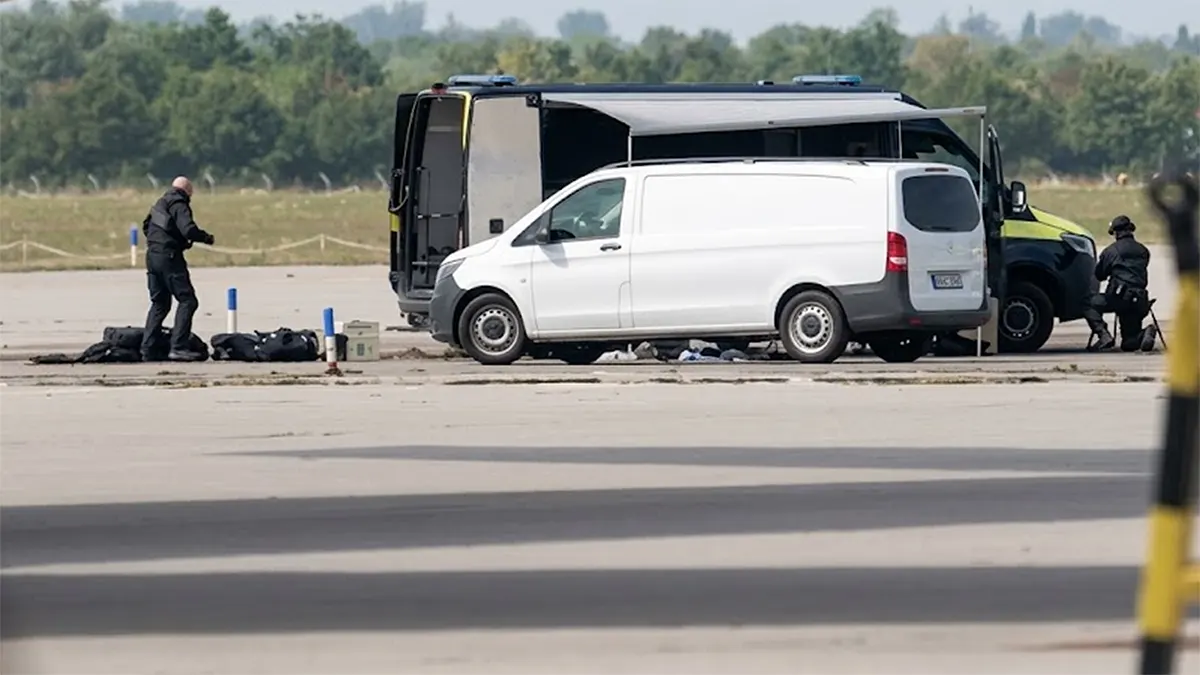
Germany has crossed a line it had avoided for weeks: it now says, on the record, that the Russian state was behind an explosive-laden drone found near a Ukrainian cargo plane at Leipzig/Halle Airport. The announcement, made by Interior Minister Alexander Dobrindt and Foreign Minister Johann Wadephul, turns a quiet airport scare from early August into one of the sharpest diplomatic breaks between Berlin and Moscow since the invasion of Ukraine began.
What happened at the airport
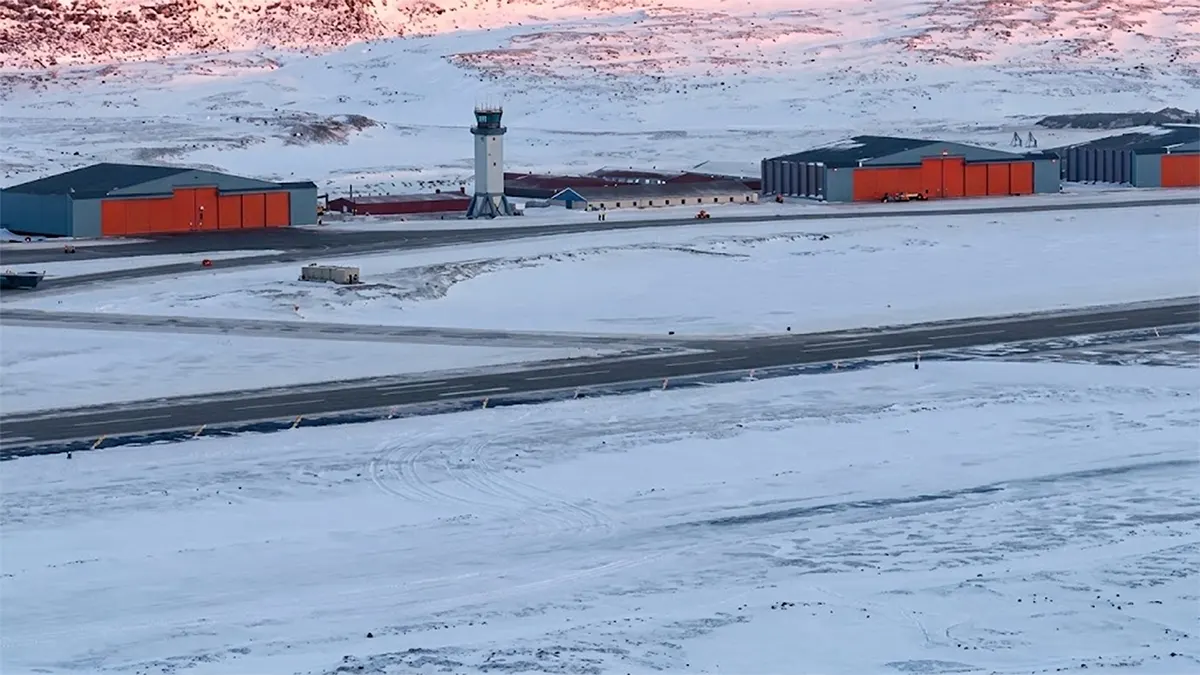
The device was discovered overnight on August 4, sitting close to a Ukrainian Antonov cargo aircraft on the grounds of Leipzig/Halle Airport, a site that handles heavy cargo traffic and also hosts a NATO airlift mission that delivers weapons and ammunition to the alliance’s eastern flank. A bomb disposal robot moved in and disarmed the drone before it could go off, and officials later confirmed it was carrying military-grade explosives.
Germany didn’t rush to blame anyone at first. Officials spoke only of “foreign powers.” That changed once investigators finished tracing the drone’s build, its detonation trigger, and the explosives inside it. Dobrindt told reporters the evidence, police work, the pattern of the attack, and intelligence findings together, established Russian responsibility for the attempted attack. It wasn’t the airport’s first brush with sabotage, either: back in 2024, an incendiary device had already set fire to a freight container there before it could be loaded onto a plane, in an incident Western officials also traced back to Russian intelligence.
Berlin’s response goes beyond words
Germany didn’t stop at attribution. Wadephul confirmed the Russian ambassador was summoned for a formal reprimand, and the Russian Consulate General in Bonn, Russia’s last working consulate on German soil has been ordered to shut down by September 18, 2026. That consulate has already suspended public services ahead of the deadline, leaving Russia’s embassy in Berlin as its only remaining outpost in the country.
Berlin also pulled the plug on the Russian House of Science and Culture, a seven-story building in central Berlin that German intelligence has long suspected of doubling as a hub for espionage. On top of that, authorities tightened entry checks for Russian nationals and stepped up inspections of Russia’s so-called “shadow fleet“, aging, uninsured oil tankers moving through the Baltic and German waters to dodge Western sanctions.
Perhaps the most telling move: Dobrindt raised Germany’s national hybrid-threat level from “general” to “high,” warning that the country now faces sabotage and espionage attempts on a near-daily basis. Federal police and military counter-intelligence have been given wider authority to protect transport hubs tied to Ukraine’s supply chain.
A pattern, not a one-off
Germany isn’t framing Leipzig as an isolated event. Roughly 200 sabotage and disruption incidents across Europe have been blamed on Russia since the war in Ukraine began, and Chancellor Friedrich Merz had already warned weeks earlier that Germany kept finding itself “in the crosshairs of hybrid attackers.” Leipzig, officials say, simply pushed things further, a drone that could actually detonate, sitting yards from a plane supporting Ukraine’s war effort.
On the sanctions front, Berlin says it will keep pushing for more pressure through Brussels. The EU has already adopted 21 rounds of sanctions since 2022, freezing assets tied to more than 2,700 individuals and entities connected to the war. A next package is now being drafted, though it isn’t expected to land before late October, so Germany’s push for tougher sanctions is really a push for what’s coming, not something already on the books.
Allies close ranks behind Berlin
The response from NATO and the EU came fast. NATO’s leadership said Germany had laid out clear evidence and pledged the alliance would meet Russian hybrid tactics with collective resolve. The European Commission said the bloc stands fully behind Germany and scheduled talks with NATO and EU foreign ministers to coordinate a joint response. France’s president went further, warning that Europe’s mounting hybrid attacks “cannot go unanswered” and calling for more support to Ukraine. Leaders in London, Rome, and Warsaw echoed the same message: attacks on Ukraine’s supply lines are meant to intimidate the West, but they’re likelier to speed up joint security efforts along NATO’s eastern flank instead.
Moscow calls it fabricated
The Kremlin wasted no time pushing back. Speaking at an international summit, President Vladimir Putin dismissed the German accusations and suggested the evidence had been manufactured, framing the claims as an attempt to distract from Germany’s own economic troubles. Russia’s Foreign Ministry called the case “far-fetched,” and the Russian Embassy in Berlin labeled the whole episode a “hastily constructed provocation.” Former President Dmitry Medvedev took it further on social media, aiming hostile rhetoric at German facilities that supply weapons to Ukraine.
Whether Moscow’s denial holds up matters less, at this point, than what Germany does next. Between the consulate closure, the Russian House shutdown, and a threat level now sitting at “high,” Berlin has signaled it isn’t waiting for more proof before acting and its allies, for now, are backing that call.
If Moscow follows through on threats of a “fitting response,” the next flashpoint in this standoff may not be far off.