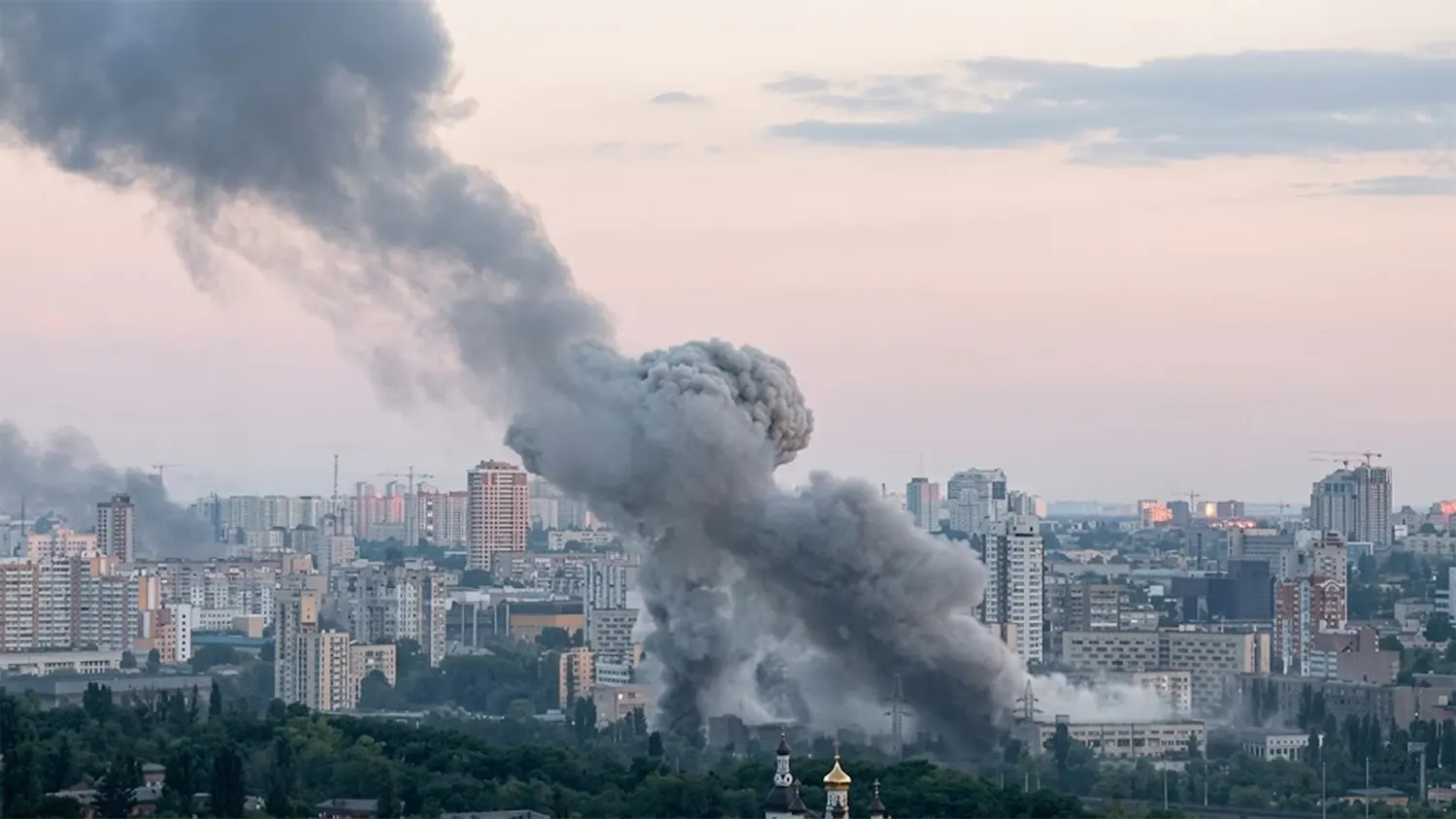
Ukraine has launched one of its most aggressive deep-strike campaigns of the war so far and this time, the target wasn’t a military base or an oil refinery. It was Wildberries, Russia’s largest online retailer, often described as the country’s answer to Amazon. The strikes mark a notable shift in Kyiv’s strategy, moving from purely military infrastructure to a company that touches the daily life of millions of ordinary Russians.
The attacks have triggered fires visible from space, killed and injured warehouse workers, and reignited a much bigger legal question: when does hitting a “civilian” business actually become a legitimate act of war and when does it cross into a war crime?
What Was Hit, and How Bad Is the Damage
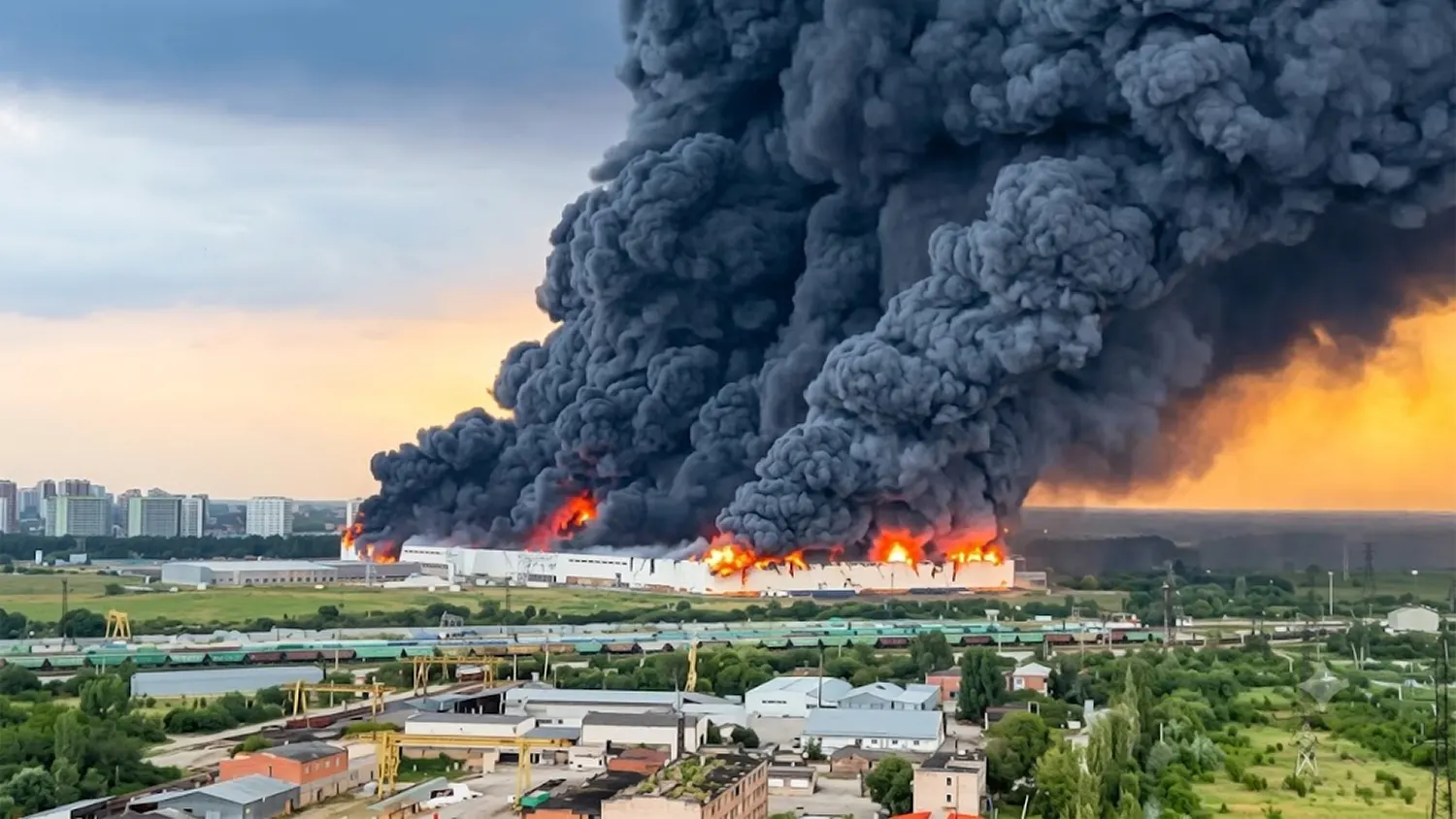
Ukrainian drones struck several of Wildberries’ largest logistics and fulfillment centers, including major hubs in Elektrostal near Moscow, Kotovsk in the Tambov region, Voronezh, Krasnodar, and Nevinnomyssk in the Stavropol region. These weren’t small depots, they’re massive fulfillment complexes that keep Russia’s e-commerce machine running.
The fires that followed burned for days and were reportedly visible from satellite imagery, largely destroying multiple facilities. The human cost was real too: the strikes caused multiple fatalities and dozens of injuries among warehouse staff.
On the business side, early estimates suggest the campaign wiped out roughly 7% to 10% of Wildberries’ total logistics capacity — more than 550,000 square meters of warehouse space gone. Combined losses for the company and the independent merchants who rely on its platform are estimated to run from the hundreds of millions of dollars into the billions.
Why Ukraine Went After an E-Commerce Giant
Kyiv’s reasoning for targeting Wildberries comes down to three overlapping arguments.
First, military officials say the warehouses weren’t purely civilian. President Volodymyr Zelenskyy claimed the facilities were being used to store and move dual-use goods things like electronics, drone components, and navigation equipment destined for Russian forces at the front.
Second, there’s a strategic and psychological angle. Wildberries is so deeply woven into everyday Russian life that hitting it punctures the sense of “normal life” continuing at home while the war grinds on elsewhere, according to analysts and Ukrainian commanders. Damaging a household name does more than disrupt supply chains, it sends a message.
Third, Kyiv is framing this as retaliation, pointing to repeated Russian strikes on Ukrainian civilian logistics networks, including the courier service Nova Poshta, as justification for turning the tables.
Russia Hits Back Militarily, Legally, and Economically
Russia’s response unfolded on multiple fronts almost immediately.
Within 24 to 48 hours, Russian forces launched a wave of ballistic and cruise missiles alongside mass drone attacks on Ukrainian logistics and industrial targets, including the AMTEL logistics complex near Kyiv, a 100,000 square meter facility that stored parcels, medicine, and everyday civilian cargo.
On the diplomatic front, the Kremlin flatly rejected Ukraine’s justification. Spokesman Dmitry Peskov denied that Wildberries facilities held any military-related components, insisting the sites were purely commercial. Russian state media and regional governors went further, branding the strikes as “terrorist attacks” on civilians. Russia’s Investigative Committee has since opened criminal cases against Ukrainian commanders in absentia.
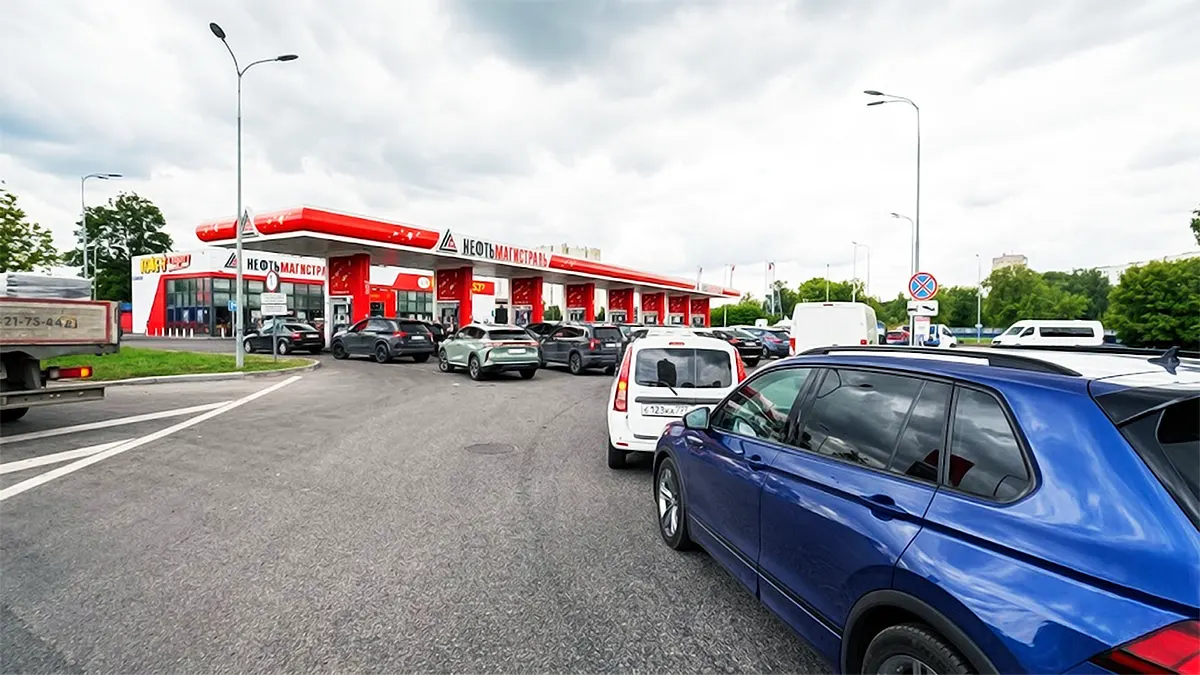
At home, the economic fallout has been harder to spin. The Kremlin has acknowledged that small and medium-sized merchants face a “difficult situation” and is weighing temporary tax relief. Wildberries CEO Tatyana Kim announced compensation for the families of workers killed or injured but the company also quietly updated its seller terms to classify drone strikes as force majeure, meaning it won’t be paying merchants back for destroyed inventory. That move has fueled anger among tens of thousands of independent sellers now facing potential bankruptcy, along with public questions about why Russian air defenses failed to protect a target so far inland.
The Legal Question at the Heart of It All: Is This a War Crime?
This is where things get genuinely complicated, and it hinges on a concept in international law called “dual-use” targeting.
Under the Geneva Conventions’ Additional Protocol I, purely civilian property is protected from attack. But an object can lose that protection if it meets a two-part test: it must make an effective contribution to military action, and its destruction must offer a definite military advantage. If Wildberries warehouses genuinely stored or moved military gear, they could legally qualify as dual-use targets.
But there’s a catch and it’s a big one. The law presumes civilian status unless proven otherwise. Article 52(3) of Additional Protocol I states that when there’s doubt about whether a normally civilian facility is being used for military purposes, it “shall be presumed not to be so used.” In plain terms: the burden of proof sits with the attacker, not the defender.
That’s where Ukraine’s case gets shaky, at least publicly. Neither Kyiv nor independent observers have released satellite imagery, intercepted communications, or other verifiable evidence proving the specific warehouses hit were active military supply nodes. Zelenskyy’s public statements about “sanctioned components for drone production” are an assertion, not evidence a legal body like the International Criminal Court would treat as proof on their own.
Even if the dual-use argument holds, international law adds a second hurdle: proportionality. Attacks are illegal if the expected civilian harm is excessive compared to the military benefit gained. Critics argue that leveling multiple massive commercial complexes and killing warehouse workers for a benefit that hasn’t been publicly demonstrated risks failing that test. There’s also a specific rule against targeting something purely to damage an enemy’s economy or civilian morale, without a direct military link, which international law treats as unlawful regardless of how symbolically satisfying the target might be.
Why This Case Is Bigger Than One Company
The Wildberries strikes highlight a problem that keeps surfacing in modern warfare: almost any large commercial network can plausibly be labeled “dual-use.” Millions of ordinary businesses sell things like boots, batteries, or electronics that a military could theoretically use too. If that possibility alone is enough to justify striking an entire national retail network, legal experts warn, the line protecting civilian infrastructure starts to disappear for everyone including Ukraine’s own logistics companies, which have already been targeted by Russia using similar logic.
Ultimately, whether these strikes are judged lawful or unlawful will come down to evidence Ukraine hasn’t yet made public. If solid, verified intelligence eventually surfaces showing the warehouses were active military supply points, the strikes could be defended as a legitimate if aggressive military operation. Without it, the campaign remains vulnerable to being classified as a violation of the principle of distinction, and potentially a war crime under Article 8 of the Rome Statute.
For now, the fires have gone out, but the legal fight over what really justified them is just getting started.