After months of devastating conflict that rattled global energy markets and choked the world’s most critical shipping lane, the United States and Iran have reached a ceasefire agreement. The deal was finalized over the weekend, and the formal signing is scheduled for this Friday, June 19, 2026, in Switzerland. For much of the world, it’s a moment of genuine relief. For Israel, it’s the beginning of a political firestorm.
A War That Shook the World, Now Frozen by a Deal
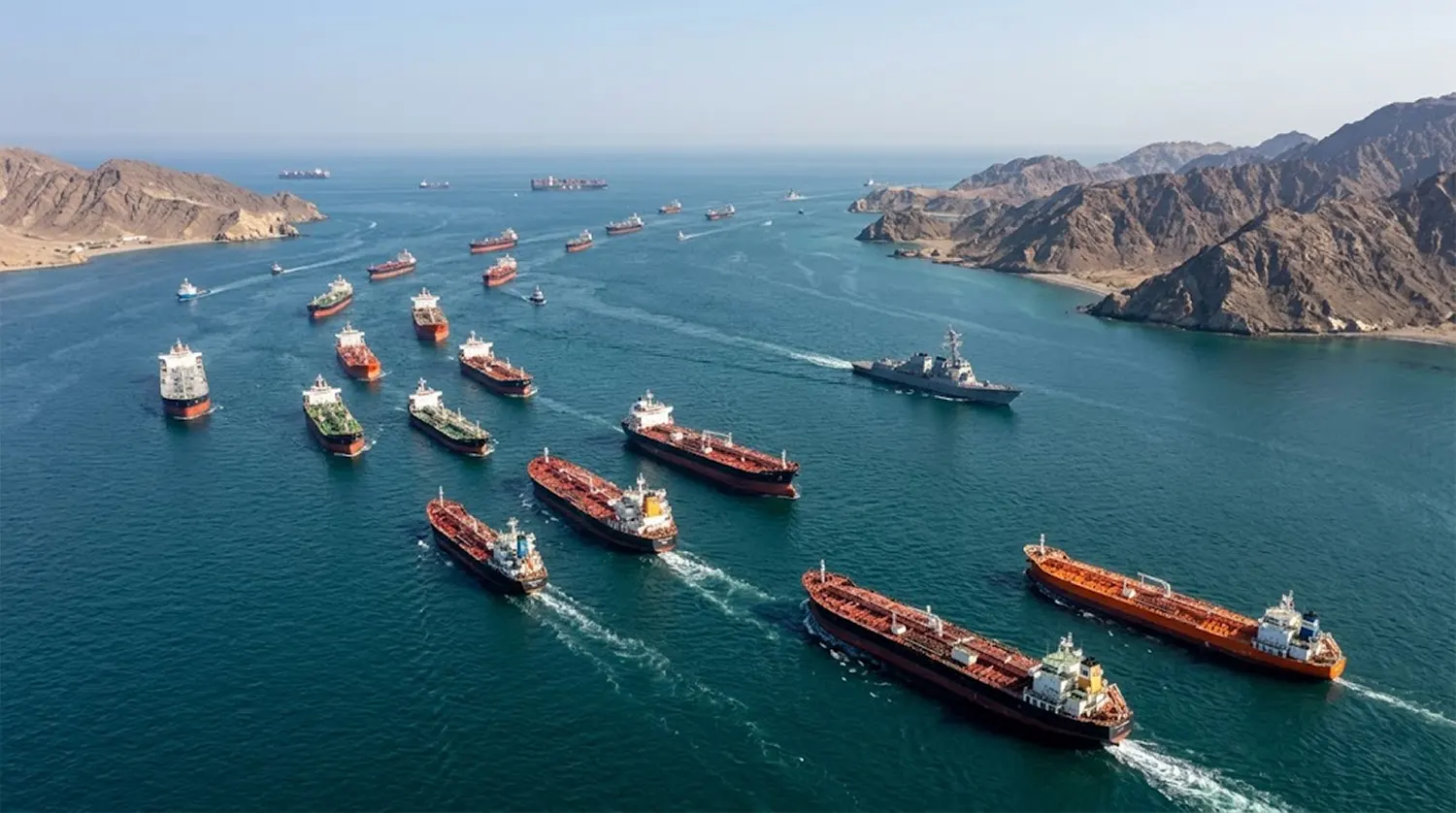
The conflict, which erupted in late February, didn’t just put two countries at war, it sent shockwaves across the global economy. Oil prices spiked. The Strait of Hormuz, the narrow channel through which roughly 20% of the world’s oil flows, became a war zone. Cargo ships rerouted or sat idle. Energy markets went haywire.
The agreement that came out of this weekend’s negotiations is structured as a Memorandum of Understanding (MoU), and it covers four major pillars:
- Immediate and permanent end to military operations on all fronts between the U.S. and Iran.
- Gradual reopening of the Strait of Hormuz — over the first 30 days, Iranian forces will clear underwater mines under international oversight, allowing commercial oil and gas tankers to safely resume transit. The U.S. naval blockade on Iranian ports will be lifted simultaneously.
- Iran reaffirms it will not develop nuclear weapons. A 60-day negotiation window opens after the signing to figure out what happens to Iran’s existing stockpiles of enriched uranium, all under International Atomic Energy Agency (IAEA) supervision.
- Lebanon is written into the ceasefire text — meaning the deal, at least on paper, calls for an end to hostilities between Israel and Hezbollah. This is where things get complicated.
Diplomatic teams are already in Doha, Qatar this week for pre-implementation talks ahead of Friday’s ceremony.
The Lebanon Clause That Israel Refuses to Accept
The most explosive part of this agreement has nothing to do with Iran. It’s a single clause about Lebanon and it has triggered a full-blown political crisis inside Israel.
Pakistani mediators, who led the backchannel negotiations, managed to get both Washington and Tehran to agree that the ceasefire extends to Israeli-Hezbollah hostilities in Lebanon. Iran insisted on it. The U.S. accepted it. But Prime Minister Benjamin Netanyahu has made clear to President Trump that Israel does not consider itself bound by that language.
What followed is a three-way split inside Israeli politics, cutting across the government, the opposition, and the military establishment.
The Far-Right Says: Ignore the Deal Entirely
National Security Minister Itamar Ben-Gvir and Finance Minister Bezalel Smotrich have openly broken with the White House’s approach. Ben-Gvir posted on Telegram that Trump’s agreement “does not bind us,” arguing Israel is a sovereign state that must not “settle for anything less than the dismantling of Hezbollah.” He is demanding Netanyahu maintain troops in southern Lebanon and push for a permanent buffer zone regardless of what was signed in Switzerland.
The Opposition Says: Netanyahu Already Lost
On the other end of the political spectrum, opposition leader Yair Lapid and former defense minister Avigdor Liberman are calling the deal a “complete diplomatic disaster” but for the opposite reason. Their argument: Netanyahu’s handling of the war has left Israel looking like a “satellite state” that takes security orders from Washington, while Iran’s nuclear and missile programs remain fundamentally intact. They’re not angry the war ended. They’re angry it ended badly.
The Military Says: We Keep Shooting Regardless
Defense Minister Israel Katz and IDF leadership have taken a blunter position: no linkage. Whatever the U.S. and Iran agree to is their business. If Hezbollah poses a threat, Israel will continue striking Beirut and southern Lebanon. In fact, the IDF has recently expanded its ground operations, pushing past the Litani River toward Nabatiyeh, a move widely seen as a last-minute effort to maximize military leverage before the deal closes.
Trump Reportedly Loses Patience With Netanyahu
This puts Netanyahu in a bind that may be the tightest of his political career.
He faces a domestic election later this year. On one side, Ben-Gvir and Smotrich have threatened to collapse his coalition government if he withdraws from Lebanon or Gaza to comply with the U.S. framework. On the other, reports indicate President Trump has run out of patience, bluntly warning Netanyahu in a recent phone call that Israel needs to wrap up its Lebanon operations or risk being left “on his own very soon.”
For now, Netanyahu is threading the needle by refusing to formally accept the Lebanon clause while also not openly defying Trump. It’s a posture that satisfies no one and solves nothing on the ground.
The Rest of the World Is Celebrating With Asterisks
Outside of Israel, the international reaction to the U.S.–Iran deal has been near-universal relief. But the celebration comes with careful diplomatic language that is really a warning.
Pakistan, whose government led the mediation effort, is treating this as a national triumph. Prime Minister Shehbaz Sharif told his parliament: “After the darkness of war, the sun of peace has risen.” Pakistan confirmed it is co-hosting the signing ceremony in Switzerland this Friday.
Qatar, Saudi Arabia, and Turkey, all of whom provided diplomatic support during the talks, welcomed the deal warmly. Qatar’s Foreign Ministry expressed hope it would serve as a catalyst for broader regional stability.
Iran’s own foreign ministry tempered the celebration with a warning of its own, noting that Tehran still holds “deep mistrust” toward Washington due to the “long history of wrongdoing by American leaders.” In other words: the ink isn’t dry, and Iran isn’t fully lowering its guard.
At the G7 Summit in France, Western leaders focused almost entirely on getting shipping lanes reopened. French President Emmanuel Macron announced that France’s nuclear-powered aircraft carrier Charles de Gaulle is ready to join a multilateral naval mission to help clear underwater mines in the Strait of Hormuz the moment the deal is signed. The EU, UK, and Canada also said they are prepared to lift heavy sanctions on Iran but only if Tehran takes clear, verifiable steps with the IAEA over the next two months.
UN Secretary-General António Guterres called the agreement a “critical step” and said the UN stands ready to oversee the 60-day nuclear negotiation window.
Buried in the joint statement from the UK, France, and Germany, however, was a pointed line: the three powers expressed “full support for the sovereignty and territorial integrity of Lebanon.” It’s diplomatically worded, but the message is direct, the world expects Israel to comply.
Markets Didn’t Wait for the Ink to Dry
Financial markets moved the moment the deal was announced.
Brent crude dropped roughly 4.5%, sliding below $83.40 a barrel, as traders priced in the eventual reopening of the Strait of Hormuz and the end of the U.S. naval blockade on Iranian oil exports.
Stock markets across Asia-Pacific surged on Monday morning. Japan’s Nikkei 225 jumped 5.5%. South Korea’s Kospi climbed 5.7%. U.S. stock futures posted strong gains as well. For global investors who had been bracing for an escalating energy crisis, this was exactly the release valve they’d been waiting for.
So Is Israel Actually Breaking International Law?
This is where the legal picture gets genuinely complicated and depends entirely on which legal framework you apply.
The UN’s Position: Yes, It’s an Illegal Occupation
The United Nations, the European Union, and most international legal experts point to UN Security Council Resolution 1701 as the controlling text. That resolution is unambiguous: Israel must fully withdraw its forces south of the Blue Line (the UN-recognized Israel-Lebanon border), and Lebanon must exercise full sovereignty over its own territory with only the Lebanese Armed Forces, not Hezbollah, operating in the south.
Israel has not only failed to withdraw, it has pushed deeper into Lebanese territory, with the IDF reportedly capturing historic sites like Beaufort Castle. The UN Assistant Secretary-General recently reiterated that Israel’s continued presence north of the Blue Line is a “clear violation of Lebanon’s sovereignty.”
Israel’s Position: We Have the Right to Self-Defense
Israel’s legal argument rests on Article 51 of the UN Charter, which guarantees every nation the right to self-defense. The Israeli government makes two specific claims:
- The “Unable or Unwilling” Doctrine — Lebanon has proven unable or unwilling to enforce Resolution 1701 on its own. Hezbollah has fired thousands of rockets into northern Israel with no effective response from Beirut. Israel argues this failure creates a legal right to act unilaterally.
- War with Hezbollah, Not Lebanon — Israel maintains it is not at war with the Lebanese state, only with Hezbollah’s infrastructure. The civilian government in Beirut is not the target.
It’s a legal argument that has some standing in international law theory. But in practice, when Israeli ground troops are north of the border, occupying Lebanese towns, the distinction between “fighting Hezbollah” and “occupying Lebanon” becomes very hard to draw.
The Uncomfortable Position Israel Now Occupies
Here is the core problem that no amount of legal framing fully resolves: Israel is technically not a signing party to the U.S.–Iran deal. The text was negotiated between Washington and Tehran. Israel wasn’t at the table.
Netanyahu and his allies argue that this means Israel is not “breaking” any treaty by continuing operations in Lebanon. They are simply exercising sovereign decision-making.
But the practical consequences of that position are stark. By refusing to recognize the Lebanon clause, Israel is simultaneously:
- Defying its most important ally, the United States, which brokered the deal and clearly expects compliance.
- Operating in violation of UN Security Council resolutions, which it has done before but rarely in this degree of isolation.
- Maintaining troops in a foreign country without any diplomatic cover, at a moment when even its traditional Western backers are signaling they won’t protect that position indefinitely.
The ceasefire between the U.S. and Iran may hold. But whether it holds on the ground in Lebanon depends almost entirely on a domestic political battle happening right now inside Jerusalem, a battle between a prime minister caught between his far-right coalition and his superpower patron, with no clean way out.
The signing ceremony is scheduled for Friday, June 19, 2026, in Switzerland. Diplomatic teams are in Doha this week for pre-implementation talks.