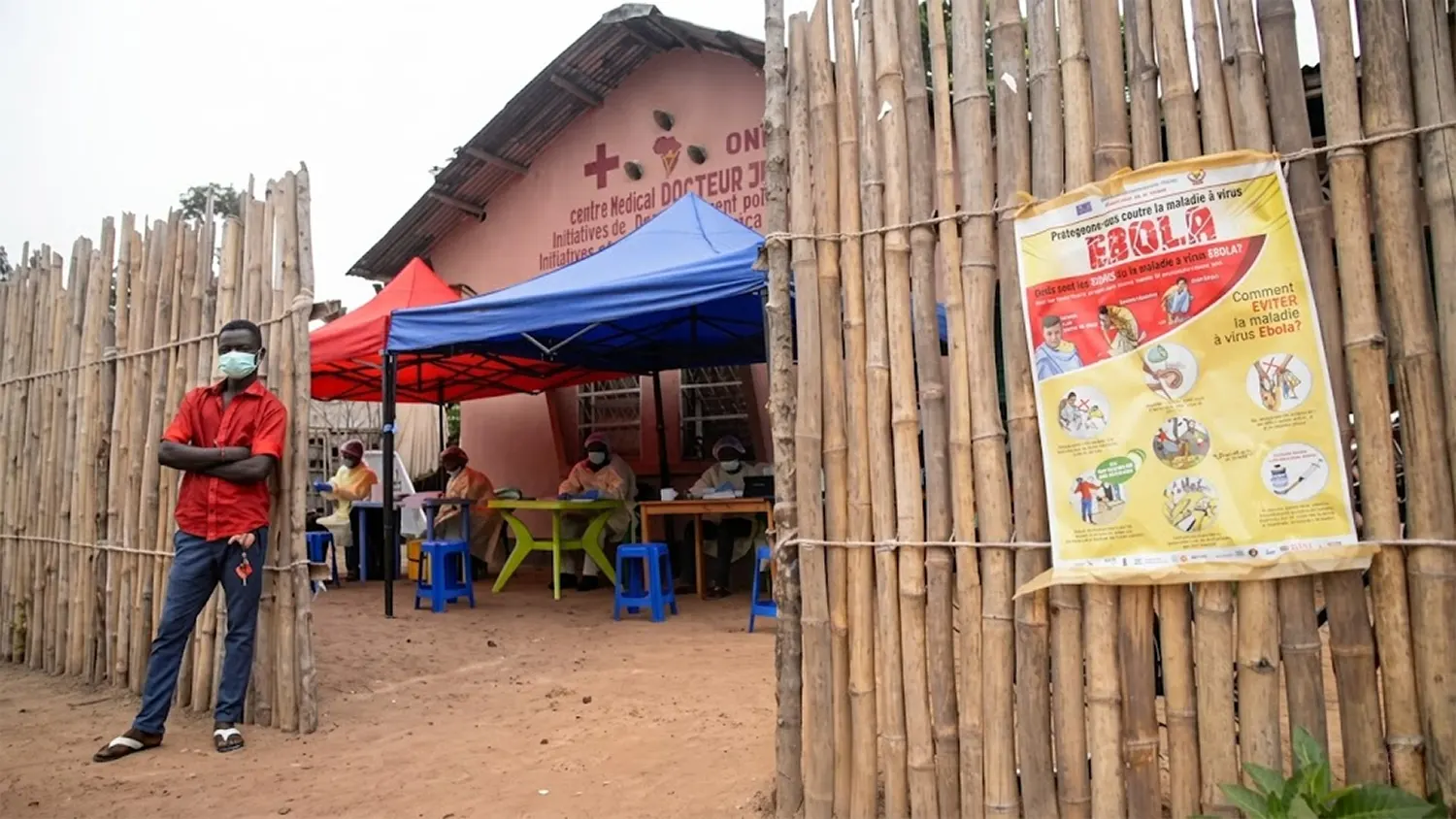
The DRC’s 17th Ebola outbreak is unlike most before it. The Bundibugyo strain has appeared only twice in history. There is no licensed vaccine. And it’s spreading through a conflict zone near two international borders.
Health officials confirmed a new Ebola outbreak in the Ituri Province of eastern Democratic Republic of the Congo on May 15, 2026. The Africa Centres for Disease Control and Prevention (Africa CDC) reports at least 65 deaths and approximately 246 suspected cases, concentrated in the Mongwalu and Rwampara health zones with cases now appearing in Bunia, the provincial capital.
- 65 Confirmed deaths so far
- 246 Suspected cases identified
- 17th Ebola outbreak in DRC since 1976
The DRC has more experience fighting Ebola than any country on earth. But this outbreak is raising alarms that go beyond the numbers because of what type of Ebola it is.
Why this strain changes everything
Preliminary lab results indicate this is the Bundibugyo strain, one of the rarest forms of the virus. It has only caused two previously recorded outbreaks in human history: Uganda in 2007, and the DRC in 2012. This would make it the third.
That rarity matters enormously when it comes to medical options. The tools that have helped contain recent Ebola outbreaks including the licensed Ervebo and Zabdeno/Mvabea vaccines, and the antibody treatments Inmazeb and Ebanga were all developed specifically for the Zaire strain. None of them are approved or confirmed effective against Bundibugyo.
In plain terms
The vaccines and treatments that stopped Ebola outbreaks in 2018 and 2022 cannot be used here. Health teams are responding to a strain that modern medicine has never had to fight at scale before.
How dangerous is the Bundibugyo strain?
The short answer: serious, but historically less lethal than the strain most people associate with Ebola. Here’s how the strains compare:
| Strain | Known fatality rate | Vaccine available? |
|---|---|---|
| Bundibugyo (current) | 30–40% | No |
| Zaire (most common) | Up to 90% untreated | Yes — Ervebo, Zabdeno/Mvabea |
| WHO average (all strains) | ~50% | Depends on strain |
A 30–40% fatality rate is still extremely high by any measure. And in a region where armed conflict makes it hard to reach clinics quickly, even a “lower” fatality rate can translate to a devastating death toll. The speed of getting patients into supportive care IV fluids, oxygen, blood pressure management is often the difference between survival and death.
How Ebola actually spreads
Ebola is not airborne. You cannot get it by breathing the same air as an infected person or being in the same room as them. Transmission requires direct contact with the body fluids of someone who is sick or has recently died blood, vomit, sweat, saliva, urine, or feces.
Critically, a person with Ebola is not contagious until they show symptoms. Once symptoms appear, the viral load in their body rises rapidly meaning the risk to those around them increases as the illness progresses. The virus can also survive on contaminated surfaces or objects, like needles or bedding, for hours to days.
One of the most common transmission routes in outbreaks is traditional burial practices, where mourners physically touch the body of someone who died from Ebola. The body is at peak infectiousness immediately after death which is why safe and dignified burial protocols are a core part of the emergency response.
The groups most at risk are not the general public, they are healthcare workers, family caregivers, and those participating in funerals. For someone walking down a street in Bunia, the risk is effectively zero. For a nurse treating patients without adequate protective equipment, it is very real.
Three things making this harder to contain
An active conflict zone. Ituri Province has faced persistent attacks by armed groups for years. Medical teams trying to conduct contact tracing identifying and monitoring everyone who may have been exposed are operating in areas where movement is restricted and security is not guaranteed.
A border city in the middle of it. Bunia is a major population hub that sits near the borders of both Uganda and South Sudan. The mining industry in Mongwalu drives significant population movement in and out of the area. Both factors raise the risk of cases crossing into neighbouring countries before they are detected.
No vaccine to ring-fence the outbreak. In past Zaire-strain outbreaks, health teams used a strategy called “ring vaccination” quickly vaccinating everyone who had contact with a confirmed case, and everyone those contacts knew. It works. But it requires a vaccine. Here, there isn’t one. Officials are discussing whether to fast-track experimental vaccine trials in the region, but that process takes time the outbreak may not give them.
What the response looks like right now
On May 15, an emergency coordination meeting brought together health authorities from the DRC, Uganda, and South Sudan, alongside the WHO and Africa CDC. The immediate priorities are cross-border surveillance, infection control protocols in health facilities, and ensuring safe burials are carried out correctly.
The WHO has released $500,000 in emergency funds to support the initial response.
For now, the most powerful tool available is also the most basic: finding cases early, isolating patients quickly, and giving them the best supportive care possible. Without a vaccine or a strain-specific treatment, that is what stands between this outbreak and something significantly worse.