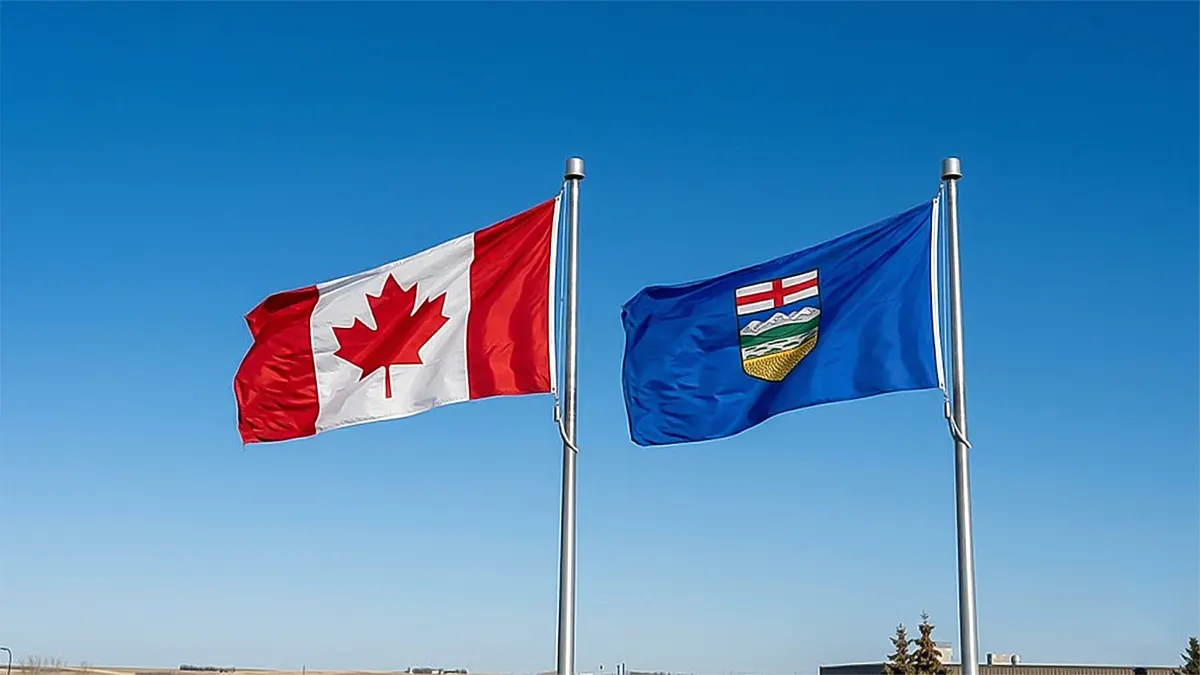
Something historic is happening in Canada, and most people outside the country and plenty inside it, don’t fully understand what it means yet. Alberta Premier Danielle Smith has announced a referendum question for October 19, 2026, asking Albertans whether their province should begin the legal process of separating from Canada.
To be clear: Alberta is not actually leaving Canada on October 20th. But the vote itself, the fact that it’s happening at all is the most significant moment in Canadian federal-provincial relations since the 1995 Quebec referendum, when Quebec came within a razor-thin 50,000 votes of breaking the country apart.
So what’s really going on? And why is even the premier who called the vote saying she’ll vote against separation?
The Question on the Ballot Is Very Carefully Worded and That’s Deliberate
The October vote won’t ask Albertans directly: “Do you want to leave Canada?” Instead, the ballot question reads:
“Should Alberta remain a province of Canada or should the Government of Alberta commence the legal process required under the Canadian Constitution to hold a binding provincial referendum on whether or not Alberta should separate from Canada?”
This is what political observers are calling a “referendum on a referendum”, a vote about whether to hold a vote. And the wording is no accident.
Just weeks before Smith’s announcement, an Alberta court struck down a citizen-led independence petition from a group called Stay Free Alberta, ruling it unconstitutional because the provincial government had failed to properly consult First Nations before putting it forward. By framing this new question as merely a first step asking Albertans for permission to begin the legal preparation for a future binding vote, not to actually separate, the province is arguing the court’s restriction doesn’t apply.
It’s a legal sidestep, carefully constructed. And it puts the real, binding decision off for another day.
Why Alberta Is Angry Enough to Be Having This Conversation
To understand the fury driving this movement, you need to understand Western alienation, a grievance that has simmered in Alberta for decades and has now reached boiling point.
Alberta sits on some of the largest oil and gas reserves in the world. The province generates enormous wealth. But under Canada’s federal equalization system, a significant portion of that revenue flows to the federal government and is redistributed to less wealthy provinces. Many Albertans feel they’re essentially bankrolling the rest of the country while receiving little in return and while being told by Ottawa how they can and can’t develop their own energy industry.
That frustration hit a new peak when Prime Minister Mark Carney and the Liberal Party won a fourth consecutive federal election in 2025. For many Albertans, that result felt like confirmation that their political voice simply doesn’t count at the national level, that no matter how they vote, the federal government will continue to be shaped by central Canada, particularly Ontario and Quebec.
Two massive citizen petitions earlier this year illustrated just how divided and how heated the debate has become. The separatist group Stay Free Alberta gathered over 301,000 signatures demanding an independence vote. But a pro-Canada group led by former MLA Thomas Lukaszuk gathered an even larger 404,000 signatures asking to stay in Canada. Premier Smith is threading the needle between those two camps by putting the question to a formal vote and letting Albertans speak for themselves, “It’s time to have a vote, understand the will of Albertans on this subject, and move on.”
The Premier Who Called the Vote Is Voting No And That Tells You Everything
Here is the part that confuses most people: Premier Danielle Smith has explicitly said she and her government will vote for Alberta to remain in Canada.
So why is she the one who called the referendum?
Because the vote isn’t really about separation. It’s about leverage.
The October ballot includes nine other questions alongside the separation issue covering provincial control over immigration, social services, and natural resources. Together, they form a political package that Smith intends to take to Ottawa as proof of how angry and serious Alberta’s population is.
The message to Prime Minister Carney is essentially: “Look at how close this came. Give Alberta more autonomy over its own affairs, its own tax dollars, its own immigration streams, its own energy industry or we will keep pulling the pin on this grenade until it goes off.”
Current polling suggests outright separation support sits at roughly one-third of Alberta voters significant, but well short of a majority. Smith is betting that a “Yes” vote gives her a powerful mandate to renegotiate Alberta’s relationship with the federal government, without actually triggering a secession process she doesn’t want and likely couldn’t complete anyway.
Why Actually Leaving Canada Would Be Almost Impossibly Complicated
Even if Albertans vote “Yes” in October, and even if a future binding referendum also returned a “Yes,” Alberta could not simply declare independence and walk away. Canada has built extremely high legal walls around exactly this scenario largely because of what happened with Quebec in the 1990s.
The Clarity Act is a federal law passed specifically to govern how a province could ever legally leave Canada. Under its rules and related Supreme Court rulings, a simple majority of 50% plus one vote is not enough. The federal House of Commons gets to determine whether the referendum question was sufficiently clear and whether the result represented a genuinely decisive mandate which legal experts generally interpret as requiring something closer to a supermajority, around 60%.
Even then, leaving Canada isn’t something a province does alone. It requires a constitutional amendment which means negotiating with the federal government and getting approval from at least seven provinces representing 50% of Canada’s total population. Every single term of separation, from currency to debt to border arrangements, would require years of complex multilateral negotiation.
But the biggest obstacle of all is one that goes beyond constitutional law entirely.
The Indigenous Treaty Problem That No One Has an Answer To
Alberta sits entirely on Treaty 6, Treaty 7, and Treaty 8 lands agreements signed between First Nations and the British Crown, which is now represented by the Canadian federal government, not the provincial government of Alberta.
Treaty First Nations have already made their position clear: if Alberta leaves Canada, the land does not go with it. Because the province has no legal authority to unilaterally alter or dissolve federal treaties, Indigenous territories would remain part of Canada. Alberta’s borders and therefore its very geographic identity as a sovereign nation would be legally fractured from day one.
This is not a minor technicality. It is a fundamental constitutional wall that no one in the separation movement has come close to answering. And it’s why even the most committed separatists quietly acknowledge that the path to actual independence is, under the current legal framework, close to impossible.
What Ottawa Does Next Will Define the Outcome
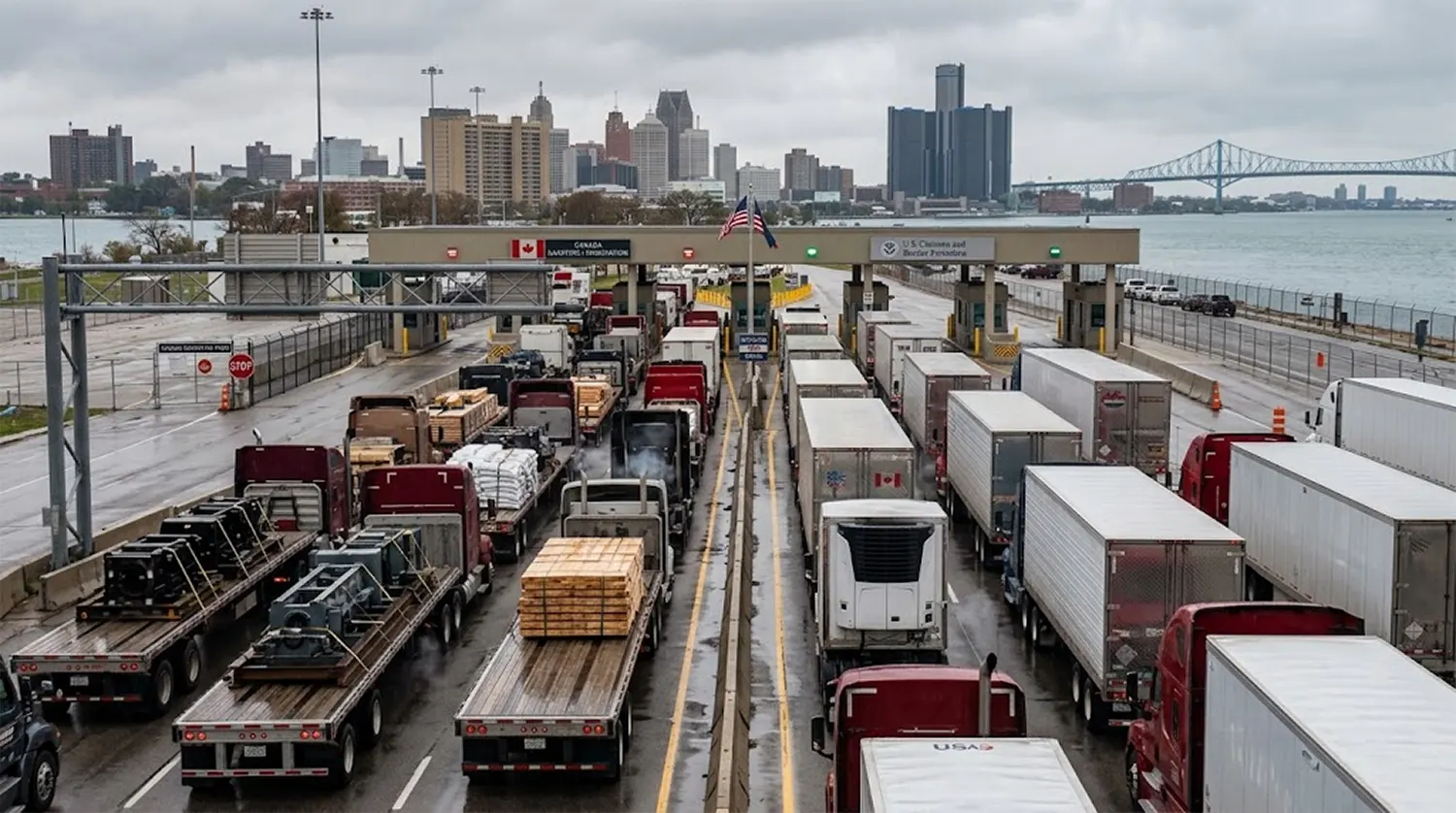
For Prime Minister Mark Carney, the October vote creates an immediate and serious problem even if the “Yes” side loses. The fact that a sitting provincial government is putting separation on a formal ballot sends economic shockwaves through Canada at one of the worst possible moments. The country is currently preparing for critical trade renegotiations with the United States, and internal national unity questions are the last thing Ottawa needs on the table simultaneously.
The vote also draws fierce opposition from Treaty First Nations across the province, adding a rights-based and moral dimension to what is already a politically explosive situation.
Carney’s best outcome is to give Alberta enough of what it’s asking for meaningful concessions on equalization, immigration, or energy regulation to make the leverage play unnecessary. Whether he’s willing or able to do that, given his political coalition and the interests of other provinces, is the central question that will determine how this story ends.
The Bigger Picture: This Is Canada’s Unity Moment
Alberta’s referendum question is not happening in a vacuum. It is the most dramatic expression yet of a decades-long fracture between Canada’s energy-producing west and its federally-dominant central provinces. How Ottawa responds and whether Albertans ultimately vote “Yes” or “No” will shape the country’s internal politics for a generation.
The October 19 vote is not the end of this story. It may not even be the beginning of the end. But it is, without question, the loudest alarm bell Canadian federalism has heard in thirty years.