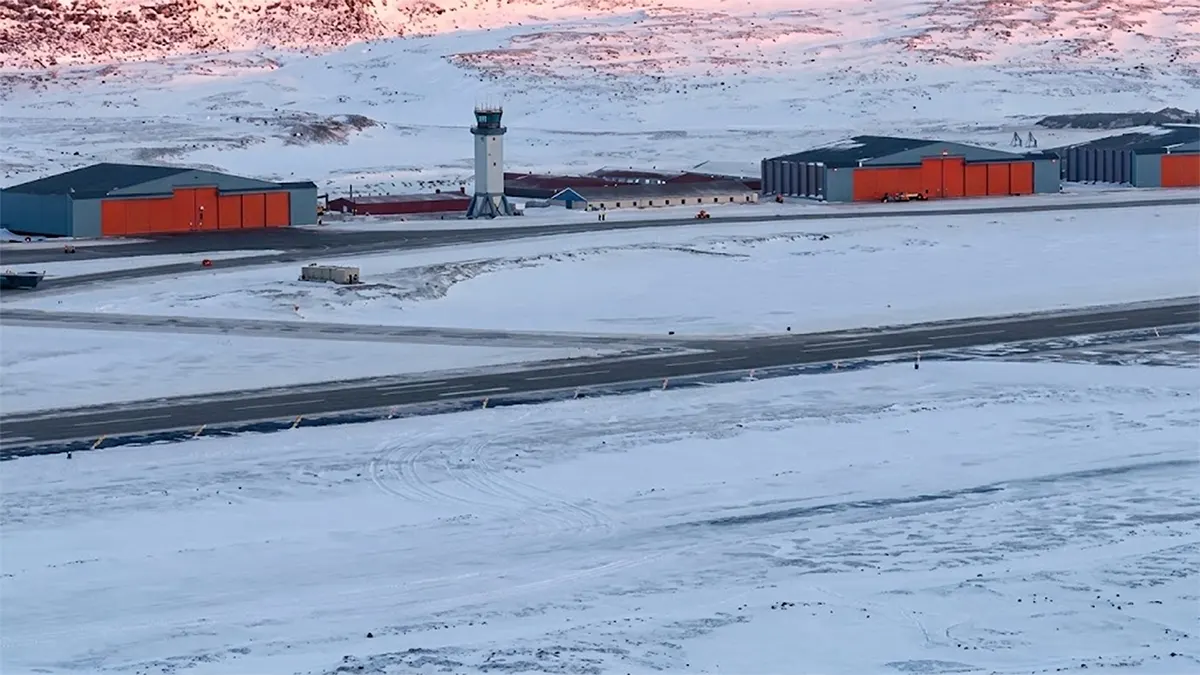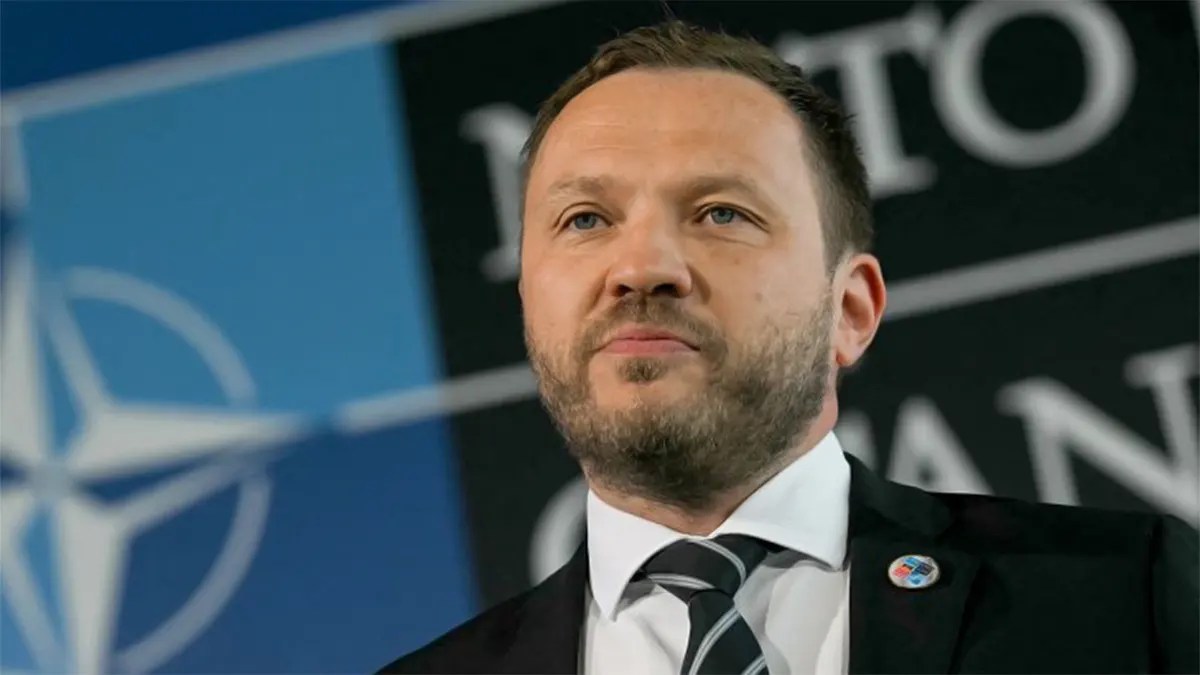
Tensions between Russia and NATO have intensified again after Estonia accused Russian fighter jets of briefly entering its airspace without permission.
The alleged incident near Tallinn has triggered a sharp diplomatic response from both Estonia and NATO, with officials calling the event a serious security concern in an already tense region.
While Estonia claims the aircraft crossed into its territory, Russia strongly denies the accusation and insists its military planes remained in international airspace.
The disagreement has added fresh strain to relations between Moscow and the Western military alliance.
Estonia Calls Incident a Serious Sovereignty Violation
According to Estonia’s Ministry of Defense, several Russian fighter aircraft were detected entering Estonian airspace for a short period before leaving the area.
The country’s air defense systems reportedly tracked the aircraft immediately, prompting NATO fighter jets involved in the Baltic Air Policing mission to scramble and intercept the planes.
Estonian officials described the incident as a “serious violation of sovereignty” and warned that it reflects a wider pattern of increasingly aggressive Russian military activity around the Baltic region.
The Baltic states have remained on high alert in recent years as military encounters involving NATO and Russian forces continue to increase.
NATO Reaffirms Support for Estonia
Following the incident, NATO leaders moved quickly to publicly support Estonia.
Mark Rutte emphasized that the alliance stands firmly behind its members and considers any violation of allied airspace unacceptable.
He stated that “Estonia’s sovereignty is NATO’s sovereignty,” reinforcing the alliance’s collective defense principles.
The event also highlighted the importance of NATO’s Baltic Air Policing mission, where allied fighter jets remain on constant patrol to monitor and respond to potential threats near NATO borders.
The Baltic region has become one of NATO’s most strategically sensitive areas due to its proximity to Russia.
Russia Rejects All Allegations
Russian officials quickly denied Estonia’s claims.
The Russian Ministry of Defense stated that its aircraft were carrying out routine training exercises over international waters and never crossed into Estonian territory.
Moscow also accused NATO of escalating tensions and using the incident to fuel what it described as “anti-Russian hysteria.”
Such conflicting narratives have become increasingly common as relations between Russia and NATO continue to deteriorate over broader geopolitical disputes.
Rising Concerns Across the Baltic Region
Although airspace incidents in the Baltic region are not new, security analysts warn that the frequency and intensity of these encounters are becoming more concerning.
The Baltic states Estonia, Latvia, and Lithuania remain especially sensitive to Russian military movements because of their geographic location and historical relationship with Moscow.
Recent incidents involving drones, fighter aircraft, and naval patrols have increased fears that even a small miscalculation could rapidly escalate into a larger confrontation.
Military experts note that close encounters between NATO and Russian forces now occur far more regularly than in previous years, increasing the risk of accidents or misunderstandings.
Europe’s Eastern Skies Grow More Dangerous
The latest dispute serves as another reminder of the fragile security environment developing across Eastern Europe and the Baltic Sea region.
As diplomatic relations between NATO and Russia remain deeply strained, military activity near borders continues to raise tensions on both sides.
For Estonia and its NATO allies, maintaining a strong military presence is viewed as essential for deterrence and regional security.
At the same time, Russia continues to accuse NATO of expanding its influence too aggressively near Russian borders.
With both sides increasing military readiness, analysts warn that Europe’s eastern skies are becoming increasingly crowded, unpredictable, and potentially dangerous.