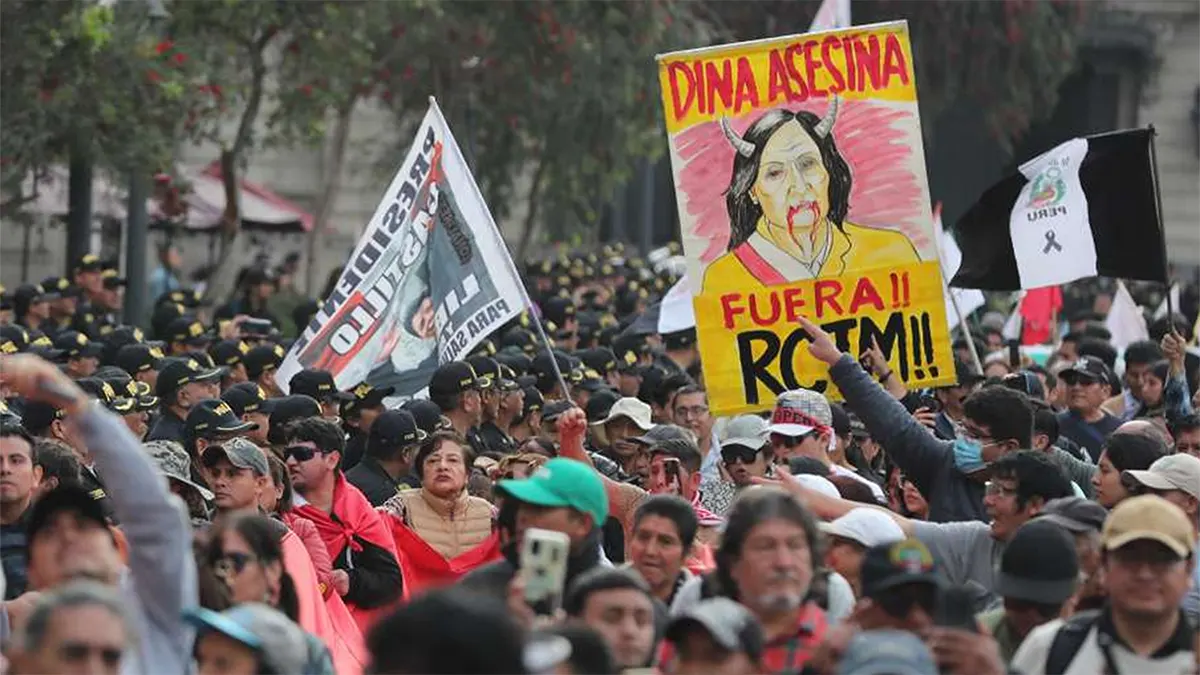
Thousands of young Peruvians flooded the streets of Lima during the weekend of September 20–21, 2025, in a growing wave of protests against President Dina Boluarte’s government and a controversial pension reform law.
What began as demonstrations over retirement policy quickly transformed into a broader movement fueled by anger over corruption, political instability, and economic inequality. Many protesters, especially members of Generation Z, say they no longer trust Peru’s political system and feel excluded from decisions shaping their future.
The unrest marks one of the strongest youth-led political mobilizations Peru has seen in recent years.
Pension Reform Triggers Nationwide Anger
At the center of the protests is a newly approved pension reform law that many young workers believe unfairly targets their generation.
One of the biggest concerns is the requirement for younger independent workers to begin making mandatory contributions to private pension funds, known as AFPs, by 2028. For many Peruvians working freelance jobs or in the informal economy, the measure is seen as financially unrealistic.
Protesters argue the reform forces young people to support a private pension system already criticized for high fees and weak returns.
The law also limits future access to retirement savings for people under 40. Previous policies had allowed Peruvians to withdraw large portions of their pension funds for major expenses such as buying homes or starting businesses.
Now, many young workers fear they are losing financial flexibility during an already difficult economic period.
Growing Frustration With Dina Boluarte’s Government
The pension issue has become a symbol of a much deeper political crisis in Peru.
President Dina Boluarte has struggled with extremely low approval ratings since taking office in December 2022 following the impeachment and arrest of former President Pedro Castillo. Her administration has faced repeated accusations of corruption, abuse of power, and political deal-making behind closed doors.
Critics also continue to condemn the government’s violent response to earlier protests, where dozens of people lost their lives during clashes with security forces.
For many demonstrators, the latest pension reform represents another example of leaders making decisions without listening to ordinary citizens.
Gen Z Emerges as Peru’s New Political Voice
Unlike many past protests in Peru, this movement is being heavily driven by younger activists who are using social media to organize demonstrations and spread political messages.
Protesters combined traditional activism with internet culture, using viral memes, anime references, and online campaigns to engage wider audiences and mobilize support.
Large crowds gathered around Lima’s historic Plaza San Martín, a location often associated with political resistance and public demonstrations.
Many young Peruvians say they are tired of a political system dominated by older elites while younger generations struggle with unstable jobs, rising living costs, and limited opportunities.
Clashes Erupt in Lima Streets
As demonstrations intensified, police moved to block protesters from approaching government buildings. Security forces used tear gas and rubber bullets to disperse crowds, leading to several injuries, including journalists covering the protests.
The confrontations have raised fresh concerns about freedom of expression and police conduct in Peru.
Although Congress has softened parts of the pension reform after public backlash, many protesters believe the changes do not go far enough.
A Turning Point for Peru’s Politics?
The ongoing demonstrations may signal a major shift in Peru’s political landscape.
Many analysts believe the protests reflect a broader generational awakening, with younger Peruvians demanding more transparency, accountability, and economic fairness from their leaders.
Rather than focusing on traditional political parties, the movement is centered on issues that directly affect daily life jobs, corruption, inequality, and democratic rights.
How the Boluarte administration responds in the coming weeks could shape Peru’s political future and determine whether the unrest grows into a larger national movement.