Tensions between Russia and NATO have sharply escalated after Poland confirmed it shot down Russian drones that entered its airspace during a major wave of attacks linked to the war in Ukraine.
The incident marks the first known direct engagement between NATO forces and Russian aerial assets since the conflict began, raising concerns that the war could spill further into NATO territory.
The drone incursions have triggered emergency military responses, diplomatic consultations, and growing fears of a broader regional confrontation in Eastern Europe.
Polish Military Responds to Airspace Violations
According to Polish officials, several Russian unmanned aerial vehicles crossed into Polish airspace during a large-scale Russian offensive targeting Ukraine.
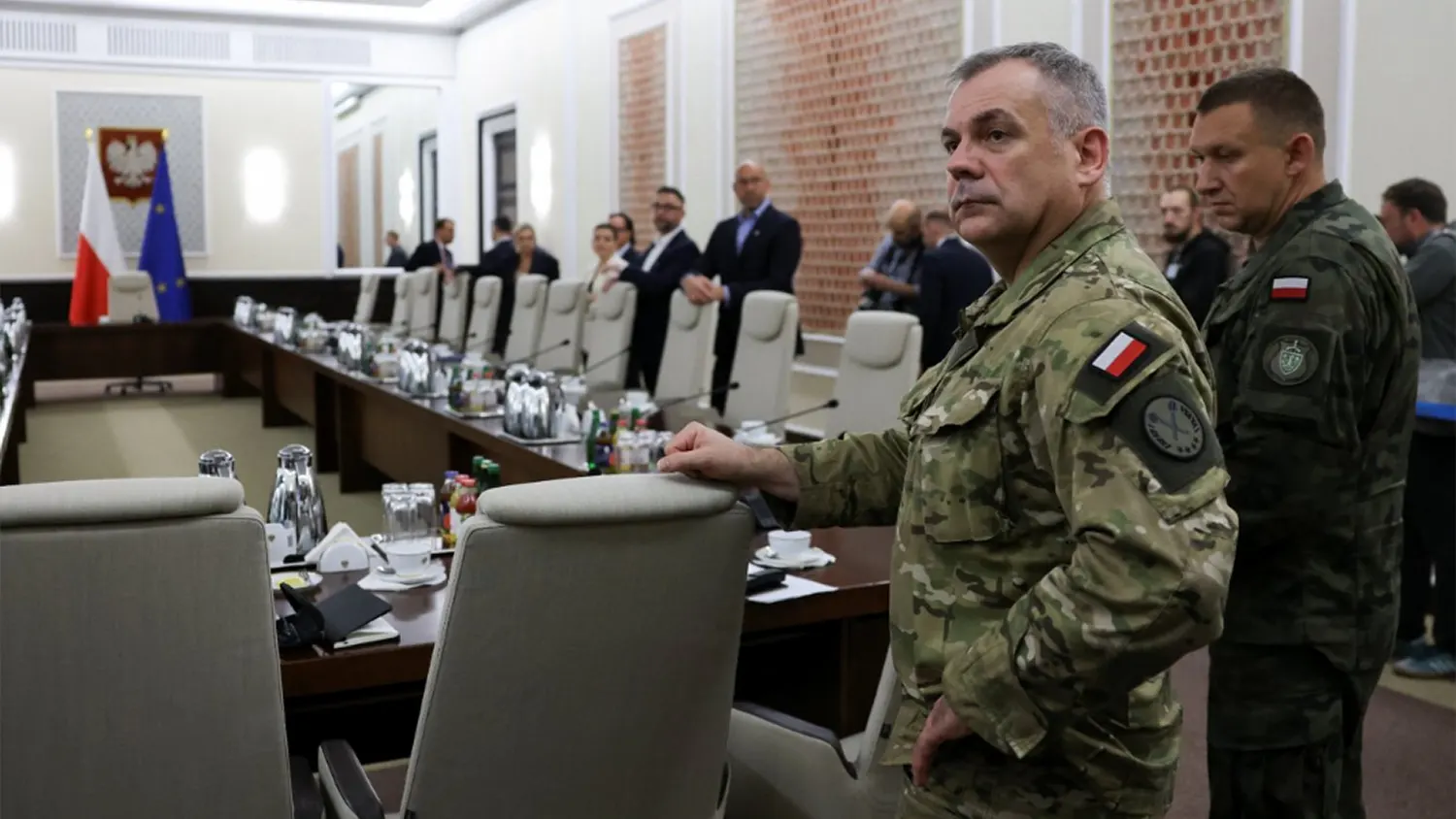
In response, the Polish military intercepted and destroyed multiple drones.
Prime Minister Donald Tusk described the incident as an “unprecedented act of aggression” and accused Russia of deliberately provoking Poland and NATO.
The security breach also disrupted civilian life inside Poland. Authorities temporarily suspended operations at several airports, including Warsaw’s main international hub, Warsaw Chopin Airport.
At the same time, Polish fighter jets and allied NATO aircraft were scrambled to secure the area and monitor potential additional threats.
Poland Invokes NATO Article 4
Following the incident, Poland formally requested consultations under NATO’s Article 4.
Article 4 allows member states to call emergency discussions whenever a country believes its security or territorial integrity is under threat.
While it does not automatically trigger military action like Article 5, the move signals that Poland views the situation as extremely serious.
Tusk said the drone attacks had “dramatically changed the political situation” and called for stronger support from NATO allies to defend Polish airspace and regional security.
NATO officials later confirmed they were in close contact with Warsaw and reaffirmed the alliance’s commitment to collective defense.
NATO and Western Leaders Express Concern
The incident has alarmed leaders across Europe and the United States, many of whom fear the Ukraine war could expand beyond its current borders.
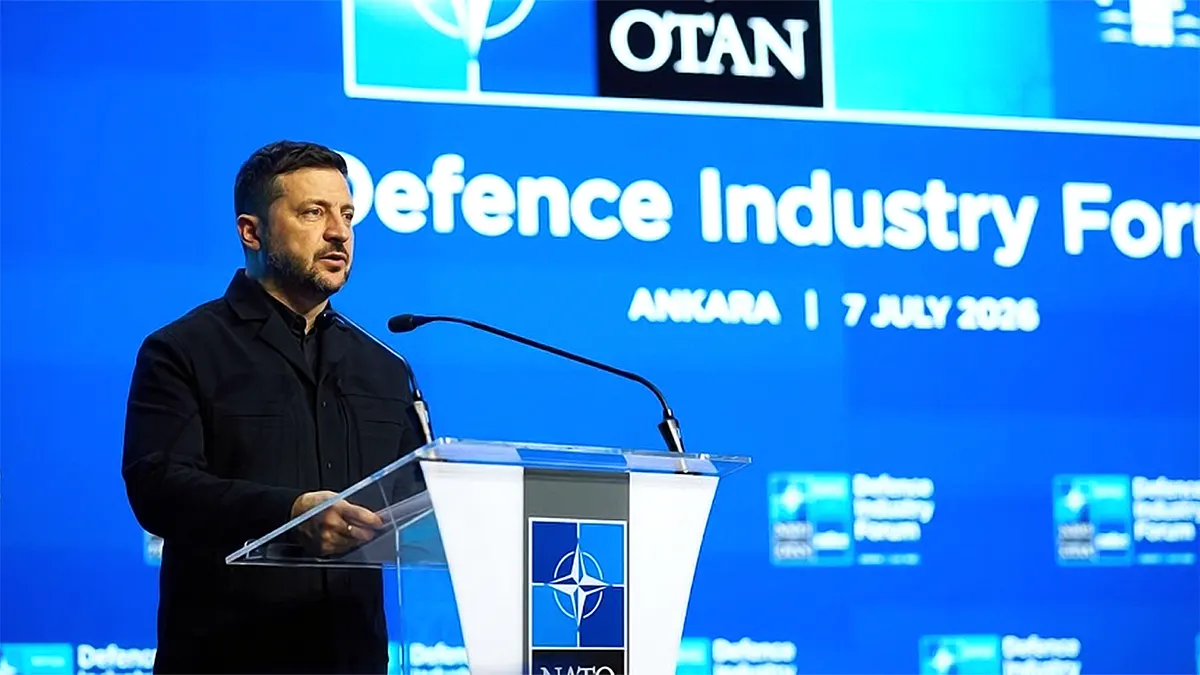
Volodymyr Zelenskyy described the attacks on Polish territory as an “extremely dangerous precedent for Europe.”
Meanwhile, U.S. defense officials reportedly viewed the incursions as a possible attempt by Russia to test NATO’s resolve and response capabilities.
Although no casualties were reported, officials confirmed that at least one drone strike damaged a residential building in eastern Poland, increasing public anxiety and calls for tighter regional defense coordination.
Why the Drone Incident Matters
Military analysts say the drone interceptions could become a turning point in NATO’s approach to the conflict.
For years, NATO members have tried to avoid direct military engagement with Russian forces while continuing to support Ukraine politically and militarily.
Poland’s decision to shoot down the drones demonstrates that NATO countries are prepared to directly defend their territory against Russian incursions.
Experts also warn that Russia may be probing NATO defenses to measure reaction times, identify weaknesses, or create political pressure within the alliance.
As a result, NATO may now consider expanding air defense systems, increasing intelligence sharing, and strengthening military readiness along its eastern border.
Poland Remains NATO’s Frontline State
Since Russia annexed Crimea in 2014, NATO has steadily reinforced its eastern flank.
Poland has become one of the alliance’s most important frontline members because of its geographic position near both Russia and Belarus.
The country already hosts NATO troops, missile defense systems, and regular military exercises designed to deter further Russian aggression.
The latest drone incident now adds another layer of urgency to regional defense planning.
Russian forces have increasingly relied on drones throughout the Ukraine conflict for surveillance, targeting, and electronic warfare operations. Those tactics are now creating new security challenges for neighboring NATO countries.
A Delicate Moment for NATO
Despite the strong response from Poland, NATO leaders are still trying to balance deterrence with avoiding a direct military confrontation with Russia.
The alliance faces growing pressure to reassure member states while preventing the conflict from escalating into a wider European war.
Diplomatic talks and security consultations are expected to intensify in the coming weeks as NATO evaluates its next steps.
At the same time, analysts warn that additional drone incursions or border incidents could further test the alliance’s unity and response strategy.
For now, the situation highlights just how fragile security in Eastern Europe has become and how quickly the war in Ukraine could draw NATO deeper into the crisis.