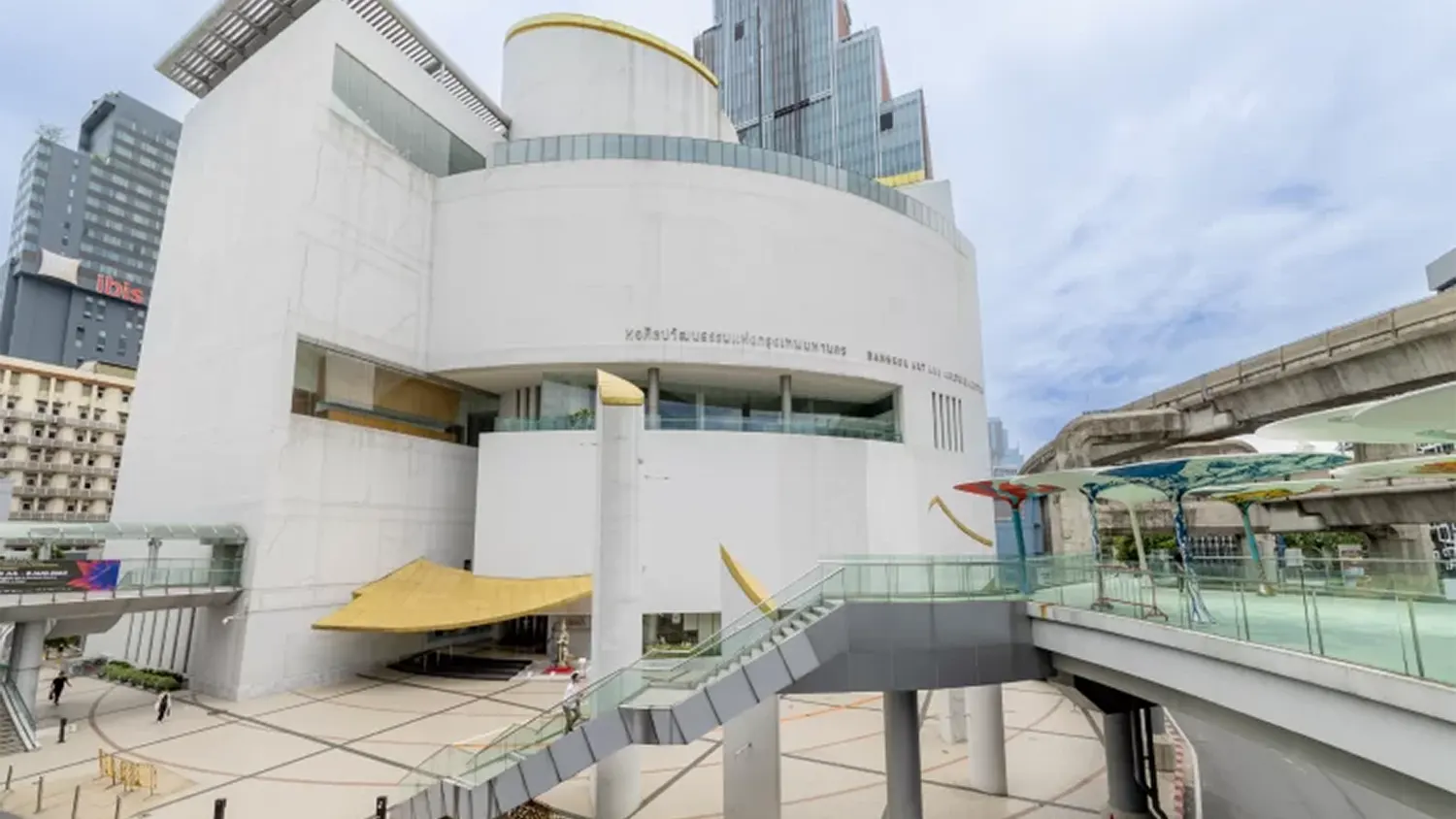
A major controversy is unfolding in Thailand after a Bangkok art exhibition censorship incident raised serious concerns about freedom of expression and foreign influence. What began as a thought provoking showcase of politically engaged art has now become a focal point in a broader debate over artistic freedom in Southeast Asia.
At the center of the issue is an exhibition that dared to challenge power and may have paid the price for it.
What Happened at the Bangkok Art and Culture Centre?
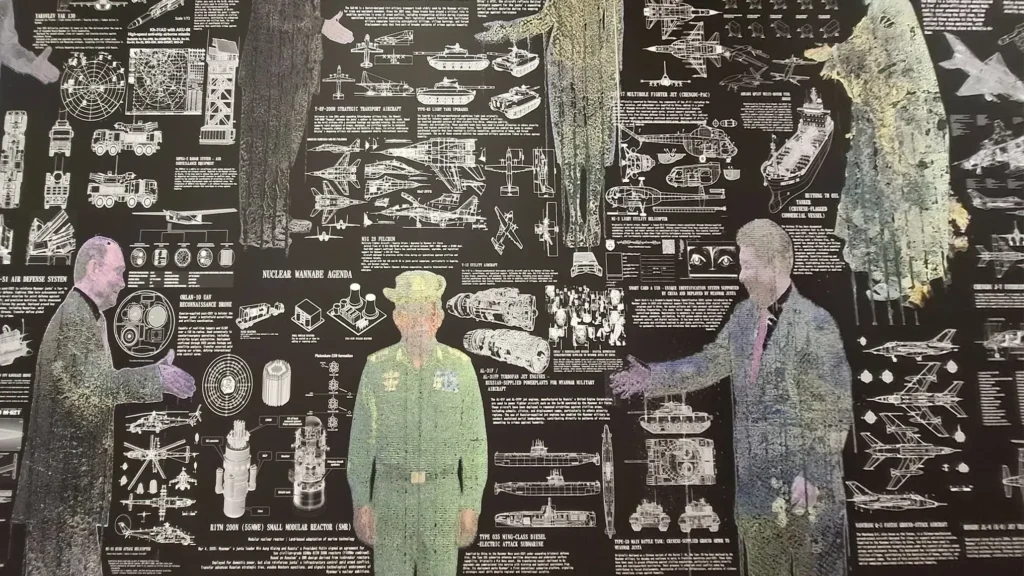
The exhibition, titled “Constellation of Complicity: Visualising the Global Machinery of Authoritarian Solidarity,” was hosted at the Bangkok Art and Culture Centre (BACC). Organized by the Myanmar Peace Museum, it featured works from exiled artists exploring themes such as state violence, resistance, and authoritarianism.
However, the exhibition’s run was disrupted when several artworks were abruptly removed or altered. Reports suggest that this followed visits from officials linked to the Chinese embassy, along with involvement from local authorities.
Among the reported actions:
- Multimedia installations were removed
- References to sensitive political topics were censored
- Some artists’ names were blacked out
These changes quickly triggered backlash from both local and international observers.
Allegations of Foreign Pressure
At the heart of the controversy are claims of Chinese government influence abroad, often described by critics as “transnational repression.”
The censored works reportedly included content addressing:
- Policies in Xinjiang involving the Uyghur population
- Political issues in Tibet and Hong Kong
Critics argue that the response by local authorities reflects a growing trend where powerful states attempt to shape narratives beyond their borders, even within cultural institutions.
While officials have not confirmed direct interference, the sequence of events has raised serious credibility concerns.
Response from the Arts and Human Rights Community
The reaction has been swift and critical. Artists, curators, and advocacy groups have condemned the incident as a dangerous precedent for artistic expression.
According to arts freedom advocates, this situation highlights:
- The vulnerability of exiled artists and dissidents
- The risk of self censorship within cultural institutions
- The broader impact on global creative freedom
One key concern is the message it sends that even in countries with open cultural spaces, external political pressure can influence what is allowed to be seen or said.
Official Silence and Public Frustration
The BACC has yet to release a detailed explanation addressing the specific allegations. A brief statement cited “unforeseen circumstances” and the need to maintain “harmonious international relations.”
However, this response has done little to ease concerns. For many observers, the lack of transparency only strengthens suspicions of behind the scenes influence.
Meanwhile, the Myanmar Peace Museum has publicly expressed disappointment, emphasizing that art plays a crucial role in:
- Raising awareness about human rights issues
- Encouraging accountability and dialogue
- Amplifying voices that are often marginalized or silenced
A Broader Pattern of Cultural Pressure
This incident is not isolated. It adds to a growing number of cases where China has been accused of attempting to control cultural narratives internationally.
As global tensions shape cultural exchange, institutions are increasingly caught between:
- Upholding creative independence
- Navigating political and financial pressures
This raises a critical question: Can art remain truly free in an interconnected but politically sensitive world?
Final Thoughts
The controversy surrounding the Bangkok exhibition is about more than just a single event it reflects a larger struggle over freedom of expression in today’s global landscape.
Ironically, the attempt to suppress parts of the exhibition may have achieved the opposite effect. The debate it sparked has brought even greater attention to the issues it sought to explore.
As conversations continue, one thing is clear: protecting artistic freedom and institutional independence will require vigilance, transparency, and a willingness to stand firm even under pressure.
The spotlight is now on how cultural spaces respond when art and politics collide.