On August 6, 2025, the world marks the 80th anniversary of the atomic bombing of Hiroshima, one of the most devastating events in human history. This solemn milestone is more than a moment of remembrance; it is a powerful reminder of the catastrophic consequences of nuclear warfare and the urgent need to preserve peace in an increasingly complex world.
As global tensions continue to evolve, Hiroshima’s legacy stands as a timeless warning and a call to action.
A City Transformed in Seconds
At exactly 8:15 a.m. on August 6, 1945, a U.S. B-29 bomber dropped the first atomic bomb ever used in war over Hiroshima, Japan. In a matter of seconds, the city was reduced to ruins.
The explosion destroyed nearly everything within a two kilometer radius, instantly killing tens of thousands. By the end of 1945, an estimated 140,000 people had lost their lives, many from burns, injuries, and the lingering effects of radiation.
What was once a vibrant city became a symbol of unimaginable destruction and human suffering.
The Hibakusha: Voices of Survival and Strength
Those who survived the bombing, known as hibakusha, endured extraordinary hardship. Many suffered from severe burns, radiation sickness, and long term health complications. Beyond physical pain, they also faced social stigma and emotional trauma.
Yet, despite these challenges, the hibakusha have become some of the world’s most powerful advocates for peace. By sharing their personal stories, they have helped transform history into a living testimony of resilience and warning.
Their message is clear: no one should ever experience such suffering again.
Hiroshima’s Global Message for Nuclear Disarmament
The bombing of Hiroshima did not just end a chapter of World War II, it reshaped global awareness of nuclear weapons.
In the decades since, international efforts have sought to prevent such devastation from happening again. Agreements like the Treaty on the Non-Proliferation of Nuclear Weapons (NPT) and advocacy by organizations such as the International Campaign to Abolish Nuclear Weapons (ICAN) have played critical roles in limiting nuclear arsenals.
However, the threat has not disappeared. Ongoing geopolitical tensions, emerging technologies, and expanding nuclear capabilities mean the world still faces serious nuclear risks.
Hiroshima’s message remains urgent:
the danger of nuclear conflict is real and it affects all of humanity.
Peace Memorial Park: A Symbol of Hope
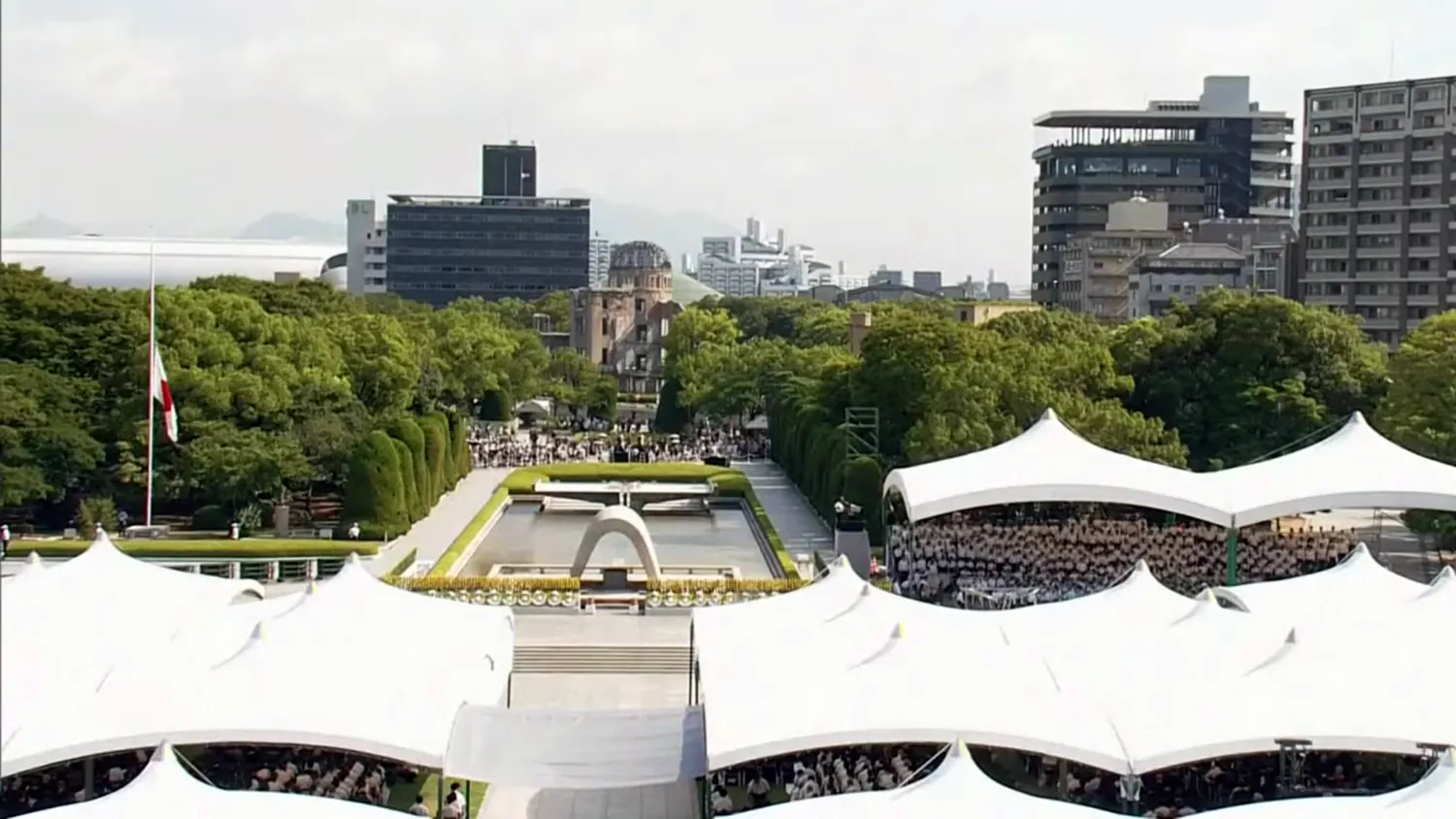
In the heart of Hiroshima stands the Peace Memorial Park, built on ground once devastated by the blast. It has become a global symbol of remembrance and hope.
At its center burns the Flame of Peace, which will remain lit until all nuclear weapons are eliminated worldwide. Each year, Hiroshima’s mayor delivers a Peace Declaration, urging nations to choose dialogue over destruction.
This enduring symbol connects past tragedy with future possibility.
A Lesson That Transcends Borders
Hiroshima’s significance extends far beyond Japan. It represents a shared human experience, reminding us that the consequences of war do not respect borders.
In today’s interconnected world where global challenges like climate change, pandemics, and conflict spread rapidly, the need for international cooperation and mutual understanding has never been greater.
The tragedy of Hiroshima underscores a simple truth:
our safety and future are deeply interconnected.
Why Remembering Still Matters
Commemorating Hiroshima is not just about honoring the past, it is about shaping the future.
Education plays a crucial role in this effort. Museums, memorials, and survivor testimonies ensure that future generations understand:
- The true cost of nuclear war
- The importance of diplomacy and conflict prevention
- The value of human life over political conflict
Without this knowledge, the risk of repeating history becomes far greater.
Looking Forward: A Shared Responsibility
Eighty years later, Hiroshima continues to stand as both a warning and a guide.
The memory of those who perished and the voices of those who survived remind us that peace is not automatic. It requires constant effort, global cooperation, and unwavering commitment.
The Flame of Peace still burns, symbolizing a future where nuclear weapons no longer exist. Achieving that future depends on collective responsibility from governments, institutions, and individuals alike.
Conclusion
The 80th anniversary of Hiroshima is a moment to reflect, remember, and act. It highlights the devastating consequences of war while pointing toward a path of hope, unity, and lasting peace.
Hiroshima’s legacy is clear:
the choices we make today will shape the world of tomorrow.