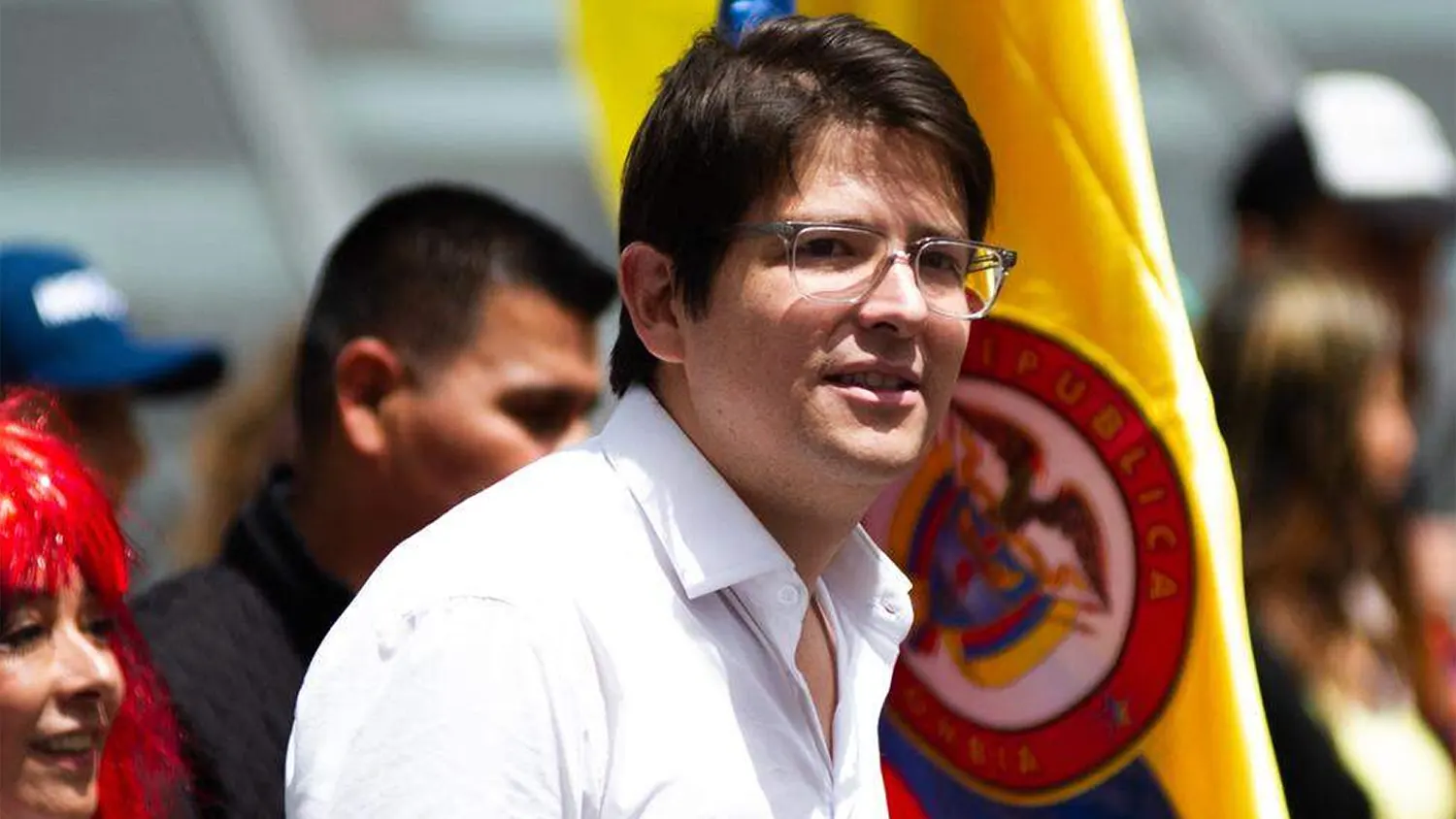
The atmosphere in Colombia has shifted from shock to grief. After more than two months in intensive care, Senator Miguel Uribe Turbay has died from gunshot injuries, leaving a nation grappling with both loss and uncertainty.
At just 39 years old, Uribe Turbay was widely seen as a rising political force, making his death not only a personal tragedy but a pivotal moment for Colombia’s political future.
A Campaign Rally That Turned Into Tragedy
What began as a routine campaign event in Bogotá on June 7 quickly turned into a brazen act of political violence.
Uribe Turbay, a prominent member of the Democratic Centre party, was addressing supporters when gunfire erupted. The attack stunned the country, triggering immediate concerns about public safety and political security.
He was rushed to the hospital and remained in critical condition for weeks, undergoing multiple surgeries. Despite sustained medical efforts, his condition never fully stabilized.
A Life and Career Cut Short
Uribe Turbay wasn’t just another politician. He was widely viewed as a potential presidential contender and a leading voice within Colombia’s conservative movement.
His political identity was shaped by:
- A strong stance against corruption
- Advocacy for economic reform
- A growing connection with younger voters seeking change
For many, he represented a new generation of leadership, one that could reshape Colombia’s political landscape.
National Grief and Political Fallout
His death has triggered an outpouring of tributes across the country. Leaders, citizens, and international observers have expressed condolences, recognizing him as a dedicated public servant and influential voice.
However, beyond the mourning lies a deeper concern.
This assassination has reignited fears about political violence in Colombia, a challenge the country has struggled with for decades. Analysts warn that the incident could:
- Intensify political polarization
- Undermine trust in democratic institutions
- Discourage participation in public life
The emotional impact is clear but so are the broader implications.
Unanswered Questions Fuel Public Frustration
Perhaps most troubling is what remains unknown.
Authorities have yet to fully identify those responsible or confirm a clear motive behind the attack. This lack of clarity has led to growing public frustration and speculation.
Many Colombians are now demanding:
- A transparent and thorough investigation
- Stronger protections for political figures
- Concrete steps to safeguard the democratic process
Without answers, the sense of instability may continue to grow.
A Stark Reminder of Ongoing Challenges
Colombia has made significant progress in recent decades, but this tragedy highlights that political violence remains a real and present threat.
For citizens, it raises difficult questions:
- Can political leaders campaign safely?
- Is the system equipped to prevent such attacks?
- What reforms are needed to ensure accountability?
These are not abstract concerns, they strike at the heart of democratic stability.
What Comes Next for Colombia
As the nation prepares to honor Uribe Turbay’s life, attention is turning toward what happens next.
His death may become a turning point either deepening divisions or prompting meaningful reforms. Much will depend on how authorities respond and whether they can restore public trust and security.
For now, Colombia mourns a leader whose future was full of promise.
And in that loss lies a powerful reminder: democracy depends not just on elections, but on the safety of those who participate in it.