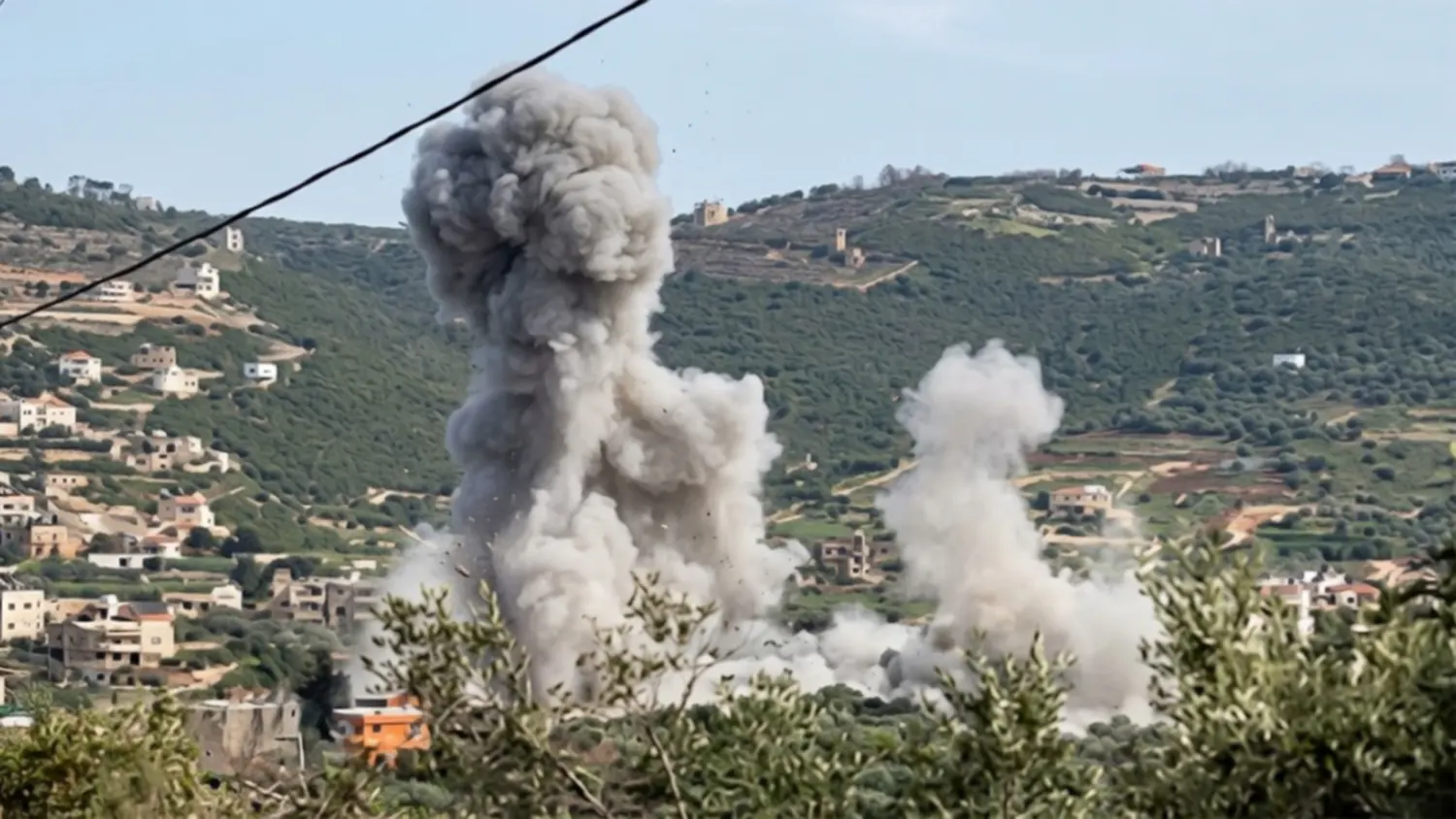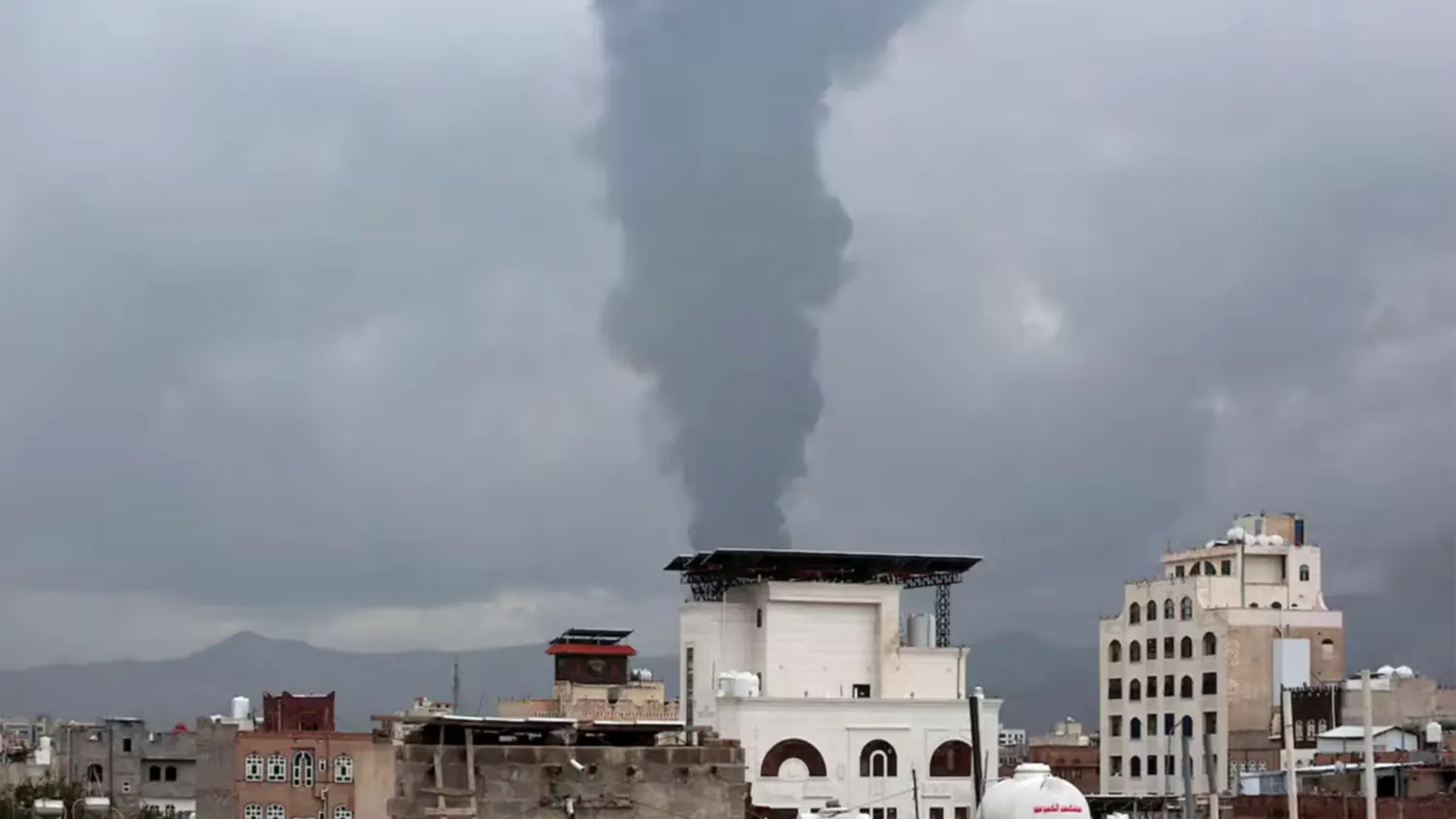
The conflict that started in Gaza is no longer contained to Gaza. On Sunday, Israeli fighter jets struck multiple sites across Sanaa, Yemen’s capital, killing at least six people and wounding more than 80 others including 20 in critical condition, according to the Houthi-run health ministry.
It was a significant escalation. And neither side is showing any sign of stepping back.
What Triggered the Strikes
Israeli officials were direct about the reason: retaliation. Two days before the airstrikes, Houthi forces launched a ballistic missile toward Israel, one reportedly fitted with a cluster warhead. Most of it was intercepted, but the Israeli military flagged it as a meaningful jump in the Houthis’ weapons capability not just in range, but in destructive potential.
The strikes hit several locations in and around Sanaa, including a military compound near the presidential palace, two power stations, and a fuel depot. Israel described all targets as military. The Houthis called it an attack on civilian infrastructure. Prime Minister Benjamin Netanyahu framed it in starker terms, warning that the Houthi regime was “learning the hard way” that aggression against Israel would come at a steep price.
This Is No Longer Just Symbolic
Since the Gaza war began, the Houthis have fired dozens of missiles and drones toward Israel, presenting the attacks as acts of solidarity with Palestinians. Most have been intercepted. But security analysts say the pattern is shifting in a worrying direction.
Dr. Rania Khalil of the Middle East Policy Institute put it plainly: the Houthis’ weapons are getting more advanced longer range, heavier payloads. “This is no longer a symbolic show of support for Gaza,” she said. “It’s a developing second front that could stretch Israel’s defenses.”
Houthi officials have made clear they have no intention of stopping. “Our operations will not stop,” a spokesperson said. “We will continue to support our brothers in Gaza, no matter the sacrifices.”
Israel Is Now Fighting on Multiple Fronts
That’s what has military analysts most concerned not any single strike or missile, but the cumulative pressure building on Israel from multiple directions at once.
Retired Brigadier General Eli Navon, formerly of the Israeli Air Force, laid out the picture bluntly. Israel is fighting Hamas in Gaza. Tensions with Hezbollah in Lebanon remain unresolved. And now the Houthis are pushing harder from Yemen backed, as always, by Iran. “Any miscalculation could trigger a chain reaction,” he warned.
Saudi Arabia and the United Arab Emirates have both condemned the latest violence, with regional powers increasingly anxious about where this trajectory leads. Western governments have separately condemned Iran’s continued backing of the Houthis, but condemnation alone hasn’t changed the calculus on the ground.
Yemen’s Civilians Are Caught in the Middle
Beyond the geopolitics, Sunday’s strikes had immediate consequences for ordinary people in Sanaa. Power outages hit parts of the city. Fuel supplies were disrupted. And Yemen was already, before any of this, one of the worst humanitarian crises on the planet.
Amal Hussein, a regional coordinator for an international relief organization, said what many aid workers on the ground are thinking: “The Yemeni population is paying the price for geopolitical struggles.” Food insecurity, fuel shortages, and fragile health services were already at breaking point. More strikes, more disruption, and that situation gets significantly worse.
Where This Goes Next
Israel has signaled it is prepared to strike again if provoked. The Houthis have signaled they will keep firing regardless. Diplomats are watching but have so far produced little that might interrupt the cycle.
The Gaza conflict was always at risk of pulling in more actors. That risk is no longer hypothetical. The question now isn’t whether this war has a second front, it’s how many fronts it ends up having.