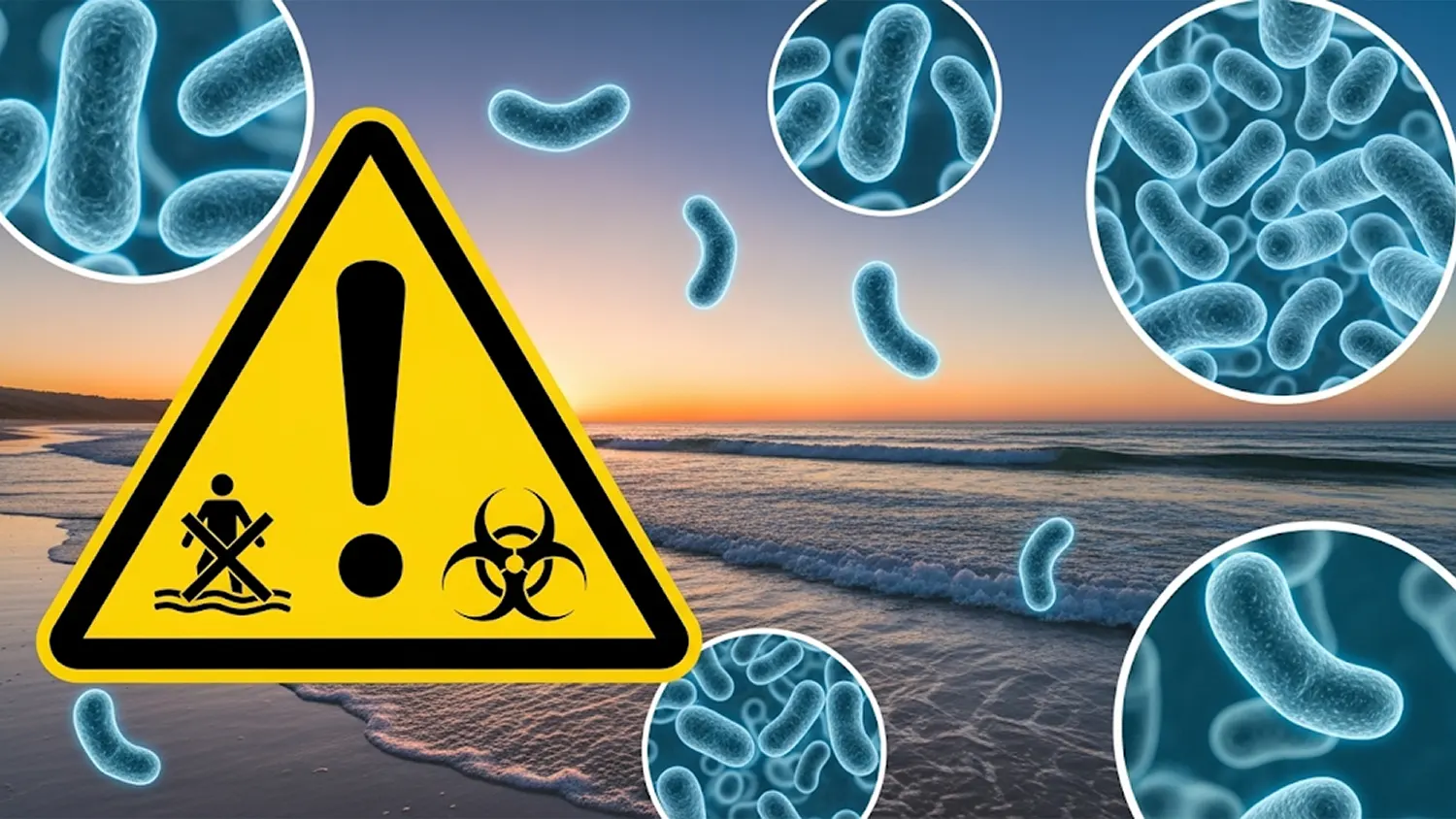
Public health experts across the United States are sounding the alarm again about a dangerous bacterium called Vibrio vulnificus and if you’re planning to spend time near the coast this summer, this is something you need to know about.
While infections are relatively rare, the consequences can be severe and even fatal. The CDC reports that roughly one in five people who get infected will die making this one of the deadliest bacterial infections linked to recreational water and seafood.
What Is Vibrio Vulnificus?
Vibrio vulnificus is a naturally occurring bacterium found in warm coastal and brackish waters. It thrives in higher temperatures, which is why warnings tend to ramp up during the summer months when water temperatures rise.
It’s not a new threat but health officials are renewing their warnings because too many people still don’t know it exists.
How Do You Get Infected?
There are two main ways Vibrio vulnificus can enter your body:
1. Through an Open Wound If you have a cut, scrape, or any open wound and you come into contact with contaminated seawater or brackish water, the bacteria can enter directly through the skin. This can cause severe soft-tissue infections and in serious cases, it can trigger necrotizing fasciitis, the condition commonly known as “flesh eating disease.” This is a rapidly spreading infection that can destroy skin, muscle, and tissue at an alarming rate.
2. Through Raw or Undercooked Shellfish Oysters are the most common culprit. Eating raw or undercooked shellfish harvested from contaminated waters can introduce the bacteria into your digestive system, leading to symptoms like diarrhea, abdominal pain, and vomiting and in severe cases, a life threatening bloodstream infection.
Who Is Most at Risk?
While anyone can technically be exposed, certain groups face a much higher risk of serious illness:
- People with weakened immune systems
- Those with chronic liver disease
- Anyone with open wounds or skin breaks
If you fall into any of these categories, health officials are urging extra caution around warm coastal waters and raw seafood.
How to Protect Yourself
The good news is that simple precautions can significantly reduce your risk:
- Cover all wounds before entering the water. If you have any cut or scrape, use a waterproof bandage or better yet, stay out of warm coastal waters until the wound has fully healed.
- Cook your shellfish thoroughly. Heat kills the bacteria, so fully cooked oysters and other shellfish are safe to eat. If you’re in a high risk group, skip raw shellfish entirely.
- Rinse off after ocean exposure. If you’ve been in coastal waters, wash your skin thoroughly afterward especially around any wounds or skin irritation.
Why the Warning Now?
Rising water temperatures create the ideal environment for Vibrio vulnificus to multiply. As summer heat peaks and more people head to the beach, the chances of exposure naturally increase.
Health officials stress that awareness is the most powerful tool in preventing infections. Most people who take basic precautions have nothing to worry about but for those who are unaware, a simple swim or a plate of raw oysters could turn into a medical emergency.
If you develop symptoms like rapidly spreading redness or swelling around a wound, or sudden gastrointestinal illness after eating shellfish, seek medical attention immediately. Early treatment is critical.