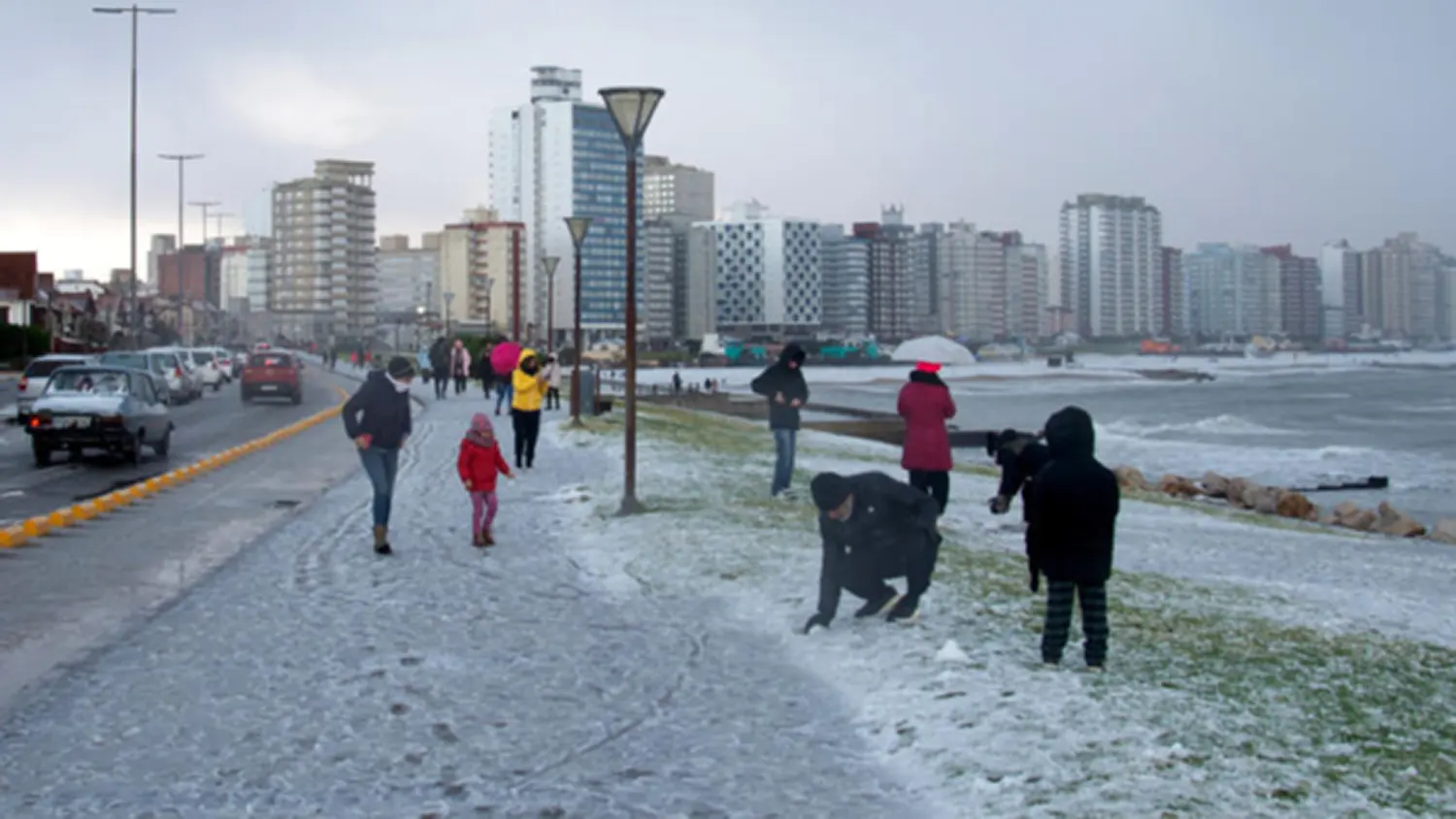
A Winter Shock While the World Was Heating Up
On July 19, 2025, as much of the Northern Hemisphere struggled through intense summer heatwaves, parts of South America experienced the exact opposite, a rare and powerful cold wave that sent temperatures plunging to -15°C (5°F).
In countries like Chile and Argentina, this wasn’t just a cold spell. It was a historic weather event that disrupted daily life and challenged expectations about global climate patterns.
Why This Cold Wave Was So Unusual
To understand what happened, we need to look at the force behind it: a polar anticyclone.
In simple terms, this is a massive high pressure system filled with extremely cold air that originates near the Earth’s poles. When it moves northward, it can drag freezing temperatures far beyond their usual range.
While winter cold is normal in southern regions, this event stood out because of its intensity, scale, and persistence.
Clear skies and still air made things worse. At night, heat escaped quickly, causing temperatures to drop even further than expected.
And the numbers tell the story.
Record Breaking Temperatures Across the Region
Cities across Chile and Argentina recorded some of their coldest temperatures in decades.
- Temuco, Chile dropped to -7.9°C, its lowest since 1941
- Chillán, Chile hit -9.3°C, breaking a record from 1947
- Near Buenos Aires, temperatures reached -7.4°C, one of the coldest readings in nearly 100 years
In many areas, temperatures were 10 to 15 degrees below seasonal averages, turning an already cold winter into something far more extreme.
But the impact went far beyond weather records.
From Cold Snap to National Emergency
As the freeze intensified, both countries began to feel the pressure—literally and figuratively.
Energy demand surged as millions relied on heating. In Argentina, the situation became critical.
- Natural gas supplies were cut to industries to prioritize homes
- Power outages affected parts of Buenos Aires
- The energy system reached record breaking demand levels
What started as a weather event quickly turned into a full scale infrastructure challenge.
And scientists noticed something even more striking.
When Antarctica Comes North
Climatologists described the event as more than just a seasonal cold wave.
It was a direct intrusion of Antarctic air masses, pushing extreme cold into populated regions. On June 30, parts of Chile and Argentina were officially among the coldest places on Earth outside the polar regions.
That’s not something that happens in a typical winter.
This raised an important question: are extreme weather events becoming more unpredictable?
Surreal Scenes: Snow Where It Almost Never Falls
Beyond the data, the visuals from this cold wave were unforgettable.
One of the most shocking moments came from the Atacama Desert, known as the driest place on Earth.
Yet during this event:
- Snow blanketed areas near the ALMA Observatory
- The desert landscape turned white in a rare, almost surreal transformation
Meanwhile, in Argentina:
- The coastal city of Mar del Plata saw snowfall for the first time in 34 years
- Beaches were covered in snow, creating once in a generation scenes
These weren’t just unusual, they were historic anomalies.
What This Means for a Changing Climate
At first glance, extreme cold might seem to contradict global warming. But in reality, it highlights something deeper.
Climate change isn’t just about rising temperatures, it’s about increasing unpredictability.
Events like this show how weather patterns can shift dramatically, bringing more intense extremes on both ends:
- Hotter heatwaves
- Colder cold snaps
- More sudden and severe disruptions
In other words, the climate system is becoming less stable and more volatile.
A Reminder of Nature’s Power
For the people of Chile and Argentina, this cold wave was more than a headline. It was a real life disruption affecting homes, energy supplies, and daily routines.
But it also serves as a reminder.
Even in a warming world, nature can still surprise us with powerful, unexpected extremes.
And as these events become more frequent, understanding and preparing for them becomes more important than ever.
Looking Ahead
The 2025 South American cold wave will likely be remembered as a defining weather event not just for its intensity, but for what it reveals.
It shows that the future of climate isn’t just warmer, it’s less predictable, more complex, and harder to ignore.
And that means one thing:
We’re not just adapting to change, we’re learning to expect the unexpected.