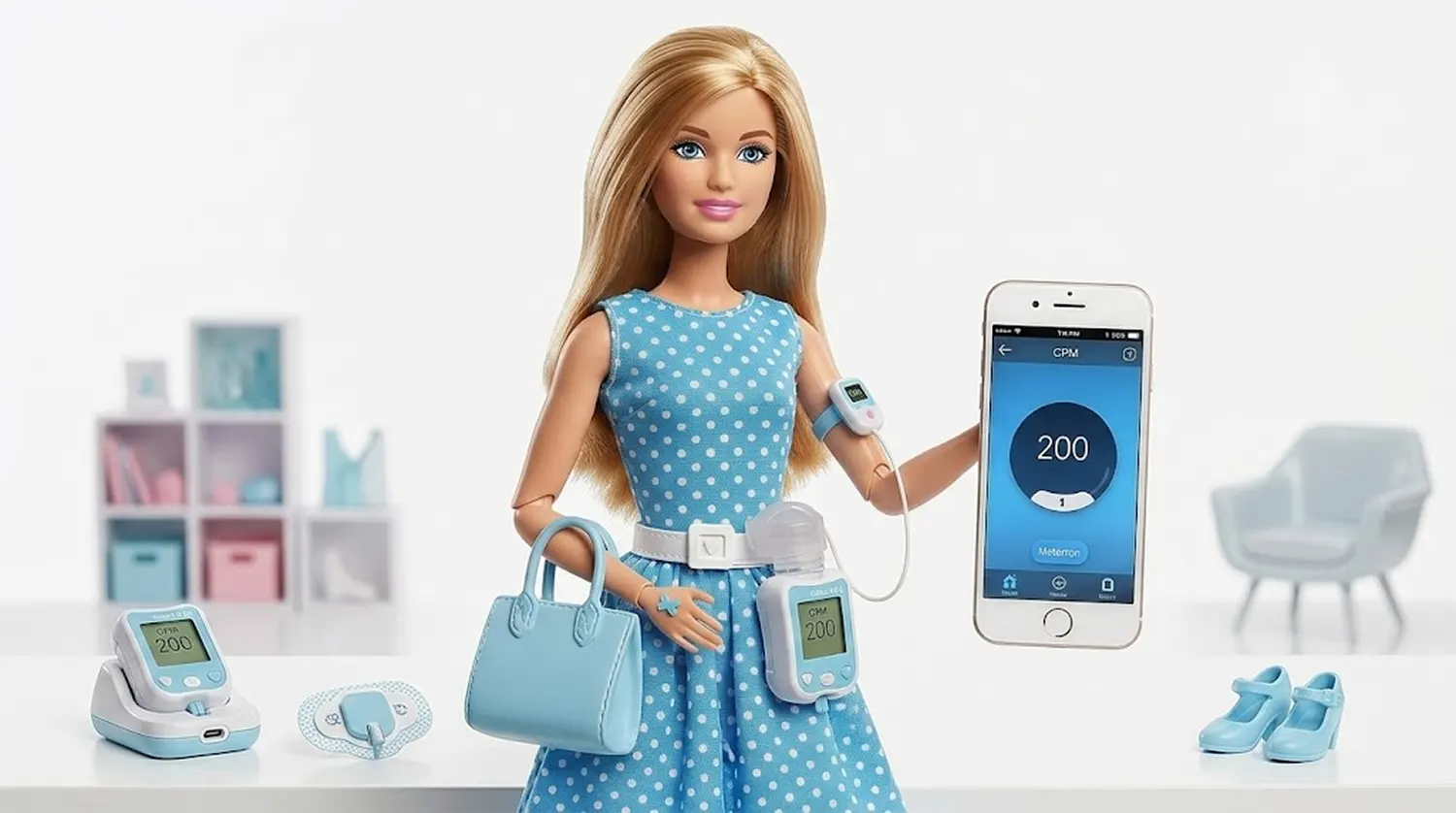
Barbie is changing with the world and this time, the focus is on health and representation.
Mattel has introduced a new Barbie doll with Type 1 Diabetes, marking another important step toward inclusivity. Launched on July 8, 2025, the doll is designed to help children feel seen, understood, and empowered through play.
This release is more than just a new toy. It reflects a growing effort to make sure every child can see themselves in the stories they imagine.
A Collaboration Built on Real Experience
To ensure accuracy, Mattel worked closely with Breakthrough T1D, a leading organization focused on Type 1 Diabetes research and advocacy.
This partnership helped shape every detail of the doll, from its accessories to its overall design.
As a result, the final product is not just symbolic, it is rooted in real life experiences of people living with Type 1 Diabetes.
Realistic Features That Reflect Daily Life
One of the most important aspects of the new Barbie is its attention to detail.
The doll includes several features that mirror how people manage Type 1 Diabetes every day:
- Continuous Glucose Monitor (CGM): Placed on her arm, showing how blood sugar is tracked in real time
- Insulin Pump: Attached at the waist, representing a key tool for managing insulin levels
- Smartphone with CGM App: Displays blood sugar readings, helping children understand the technology involved
- Blue-Themed Outfit: A subtle reference to the global symbol for diabetes awareness
- Practical Accessories: A purse designed to carry medical supplies and snacks
Together, these details create a doll that feels authentic, educational, and relatable.
Why Representation in Toys Matters
For children living with chronic conditions, representation can have a powerful impact.
This Barbie sends a clear message:
Having Type 1 Diabetes does not limit who you are or what you can do.
It helps children feel:
- Included in everyday play
- Confident in their identity
- Seen and understood
At the same time, it also introduces other children to different experiences.
Play becomes a way to build empathy, helping kids understand challenges they may not face themselves.
A Broader Push Toward Inclusive Play
This new doll is part of Mattel’s ongoing effort to expand diversity within its Barbie Fashionistas line.
In recent years, Barbie has evolved to include dolls with:
- Different body types and skin tones
- Various hair textures
- Disabilities such as blindness, Down syndrome, and hearing aids
- Prosthetic limbs and other assistive devices
By adding a doll with Type 1 Diabetes, Mattel continues to move toward a more realistic reflection of the world children live in.
Connecting Play with Awareness and Advocacy
The launch also aligned with Breakthrough T1D’s 2025 Children’s Congress, where young advocates raise awareness and push for continued diabetes research funding.
Mattel supported the event by donating dolls, helping to spread awareness and amplify the message.
This connection shows how a toy can go beyond play and become part of a larger conversation about health, support, and community.
What This Means for the Next Generation
The introduction of a Barbie with Type 1 Diabetes is a meaningful step forward.
It shows that toys can do more than entertain they can:
- Educate
- Empower
- Encourage understanding
Most importantly, it reinforces one key idea:
Every child deserves to feel represented, included, and valued.
As Barbie continues to evolve, it is helping shape a future where differences are not just accepted but celebrated.