A Border Dispute Turns Into Human Tragedy
A long simmering border dispute between Thailand and Cambodia has erupted into open conflict leaving civilians to pay the highest price.
As fighting intensifies along the frontier, tens of thousands of people are fleeing their homes, while artillery strikes and air raids reshape entire communities overnight.
What may appear as a geopolitical clash on maps is, in reality, a rapidly escalating humanitarian crisis unfolding in real time.
A Dispute Rooted in History
The roots of this conflict stretch back decades, centered on contested borders and ancient cultural sites.
At the heart of the dispute lies the area surrounding Preah Vihear Temple, a centuries old structure that has long symbolized both national pride and territorial tension.
A 2013 ruling by the International Court of Justice clarified aspects of ownership,
but large sections of the border remain undefined and heavily disputed.
As a result, the region has remained volatile, with periodic flare ups now culminating in
full scale military confrontation.
The Escalation: From Tension to Open Warfare
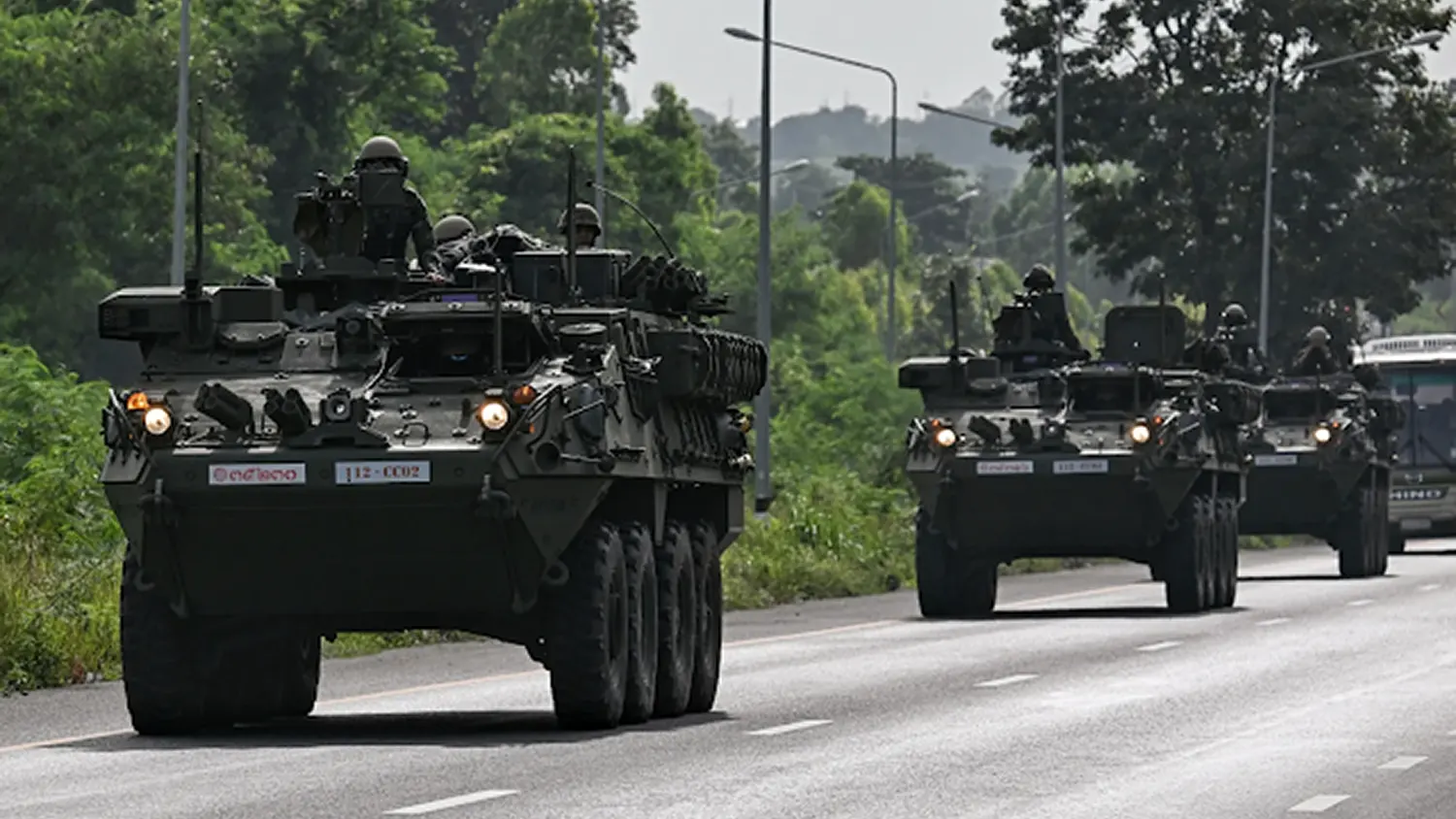
What began as localized tension has rapidly escalated into sustained military engagement.
Reports from the ground describe a conflict marked by:
- Heavy artillery bombardments
- Airstrikes targeting strategic zones
- Ground troop clashes across contested territory
The intensity of the fighting suggests a shift from symbolic confrontation to active warfare, with both sides deploying significant military force.
Each government has accused the other of initiating hostilities and targeting civilian areas, further inflaming tensions and complicating efforts to de escalate.
With no clear line of control, the battlefield remains fluid and highly dangerous.
The Human Cost: Civilians Caught in the Crossfire
The most devastating impact of this conflict is being felt by civilians forced to flee for their lives.
More than 150,000 people have been displaced across both countries:
- Over 138,000 in Thailand
- More than 20,000 in Cambodia
Families have abandoned homes, farms, and livelihoods, often with little warning. Many are now living in temporary shelters, facing uncertainty about when or if they can return.
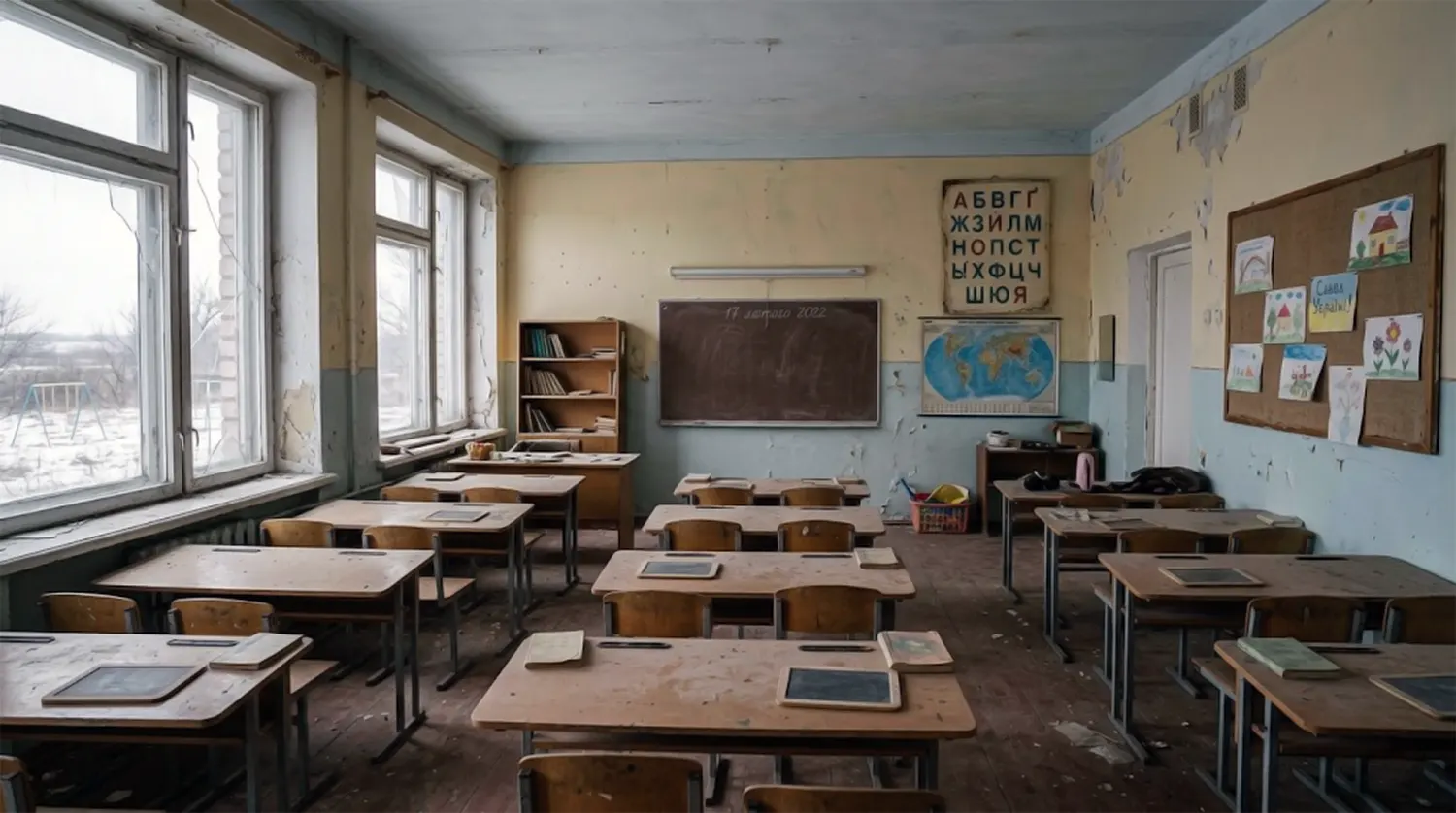
Essential infrastructure has also been hit. Hospitals and schools in affected areas have been damaged or shut down, leaving communities without critical services.
For those on the ground, this is not a political dispute, it is a daily struggle for safety and survival.
International Response: Urgent Calls for Restraint
The escalation has triggered alarm across the international community.
The United Nations Security Council has convened an emergency meeting at Cambodia’s request, signaling growing concern that the conflict could spiral further.
Meanwhile, regional and global powers, including China and Japan, have urged both sides to exercise restraint and return to dialogue.
However, diplomatic efforts face a major challenge: violence on the ground is moving faster than negotiations.
A Growing Humanitarian Crisis
As the conflict continues, the humanitarian situation is deteriorating rapidly.
Displaced families face:
- Limited access to food and clean water
- Overcrowded shelters
- Disrupted healthcare services
For farmers and rural communities, the loss is especially severe. Crops, livestock, and entire livelihoods have been destroyed, creating long-term economic consequences that may persist even after the fighting ends.
The longer the conflict continues, the deeper the humanitarian impact will become.
What Happens Next: Uncertainty and Risk of Escalation
The path forward remains highly uncertain.
If fighting continues at its current intensity, the risk of:
- Further civilian displacement
- Expanded military engagement
- Regional instability
will increase significantly.
At the same time, the lack of clearly defined borders means that even small incidents can quickly escalate into larger confrontations.
Without urgent de escalation, the conflict risks becoming entrenched.
The Bottom Line
The Thailand–Cambodia border conflict is no longer just a territorial dispute, it is a full scale humanitarian crisis.
Behind the military movements and political statements are hundreds of thousands of lives disrupted, families displaced, and communities shattered.
As the world watches and diplomatic efforts unfold, one reality remains clear:
The true cost of this conflict is being paid not by governments, but by ordinary people caught in the crossfire.