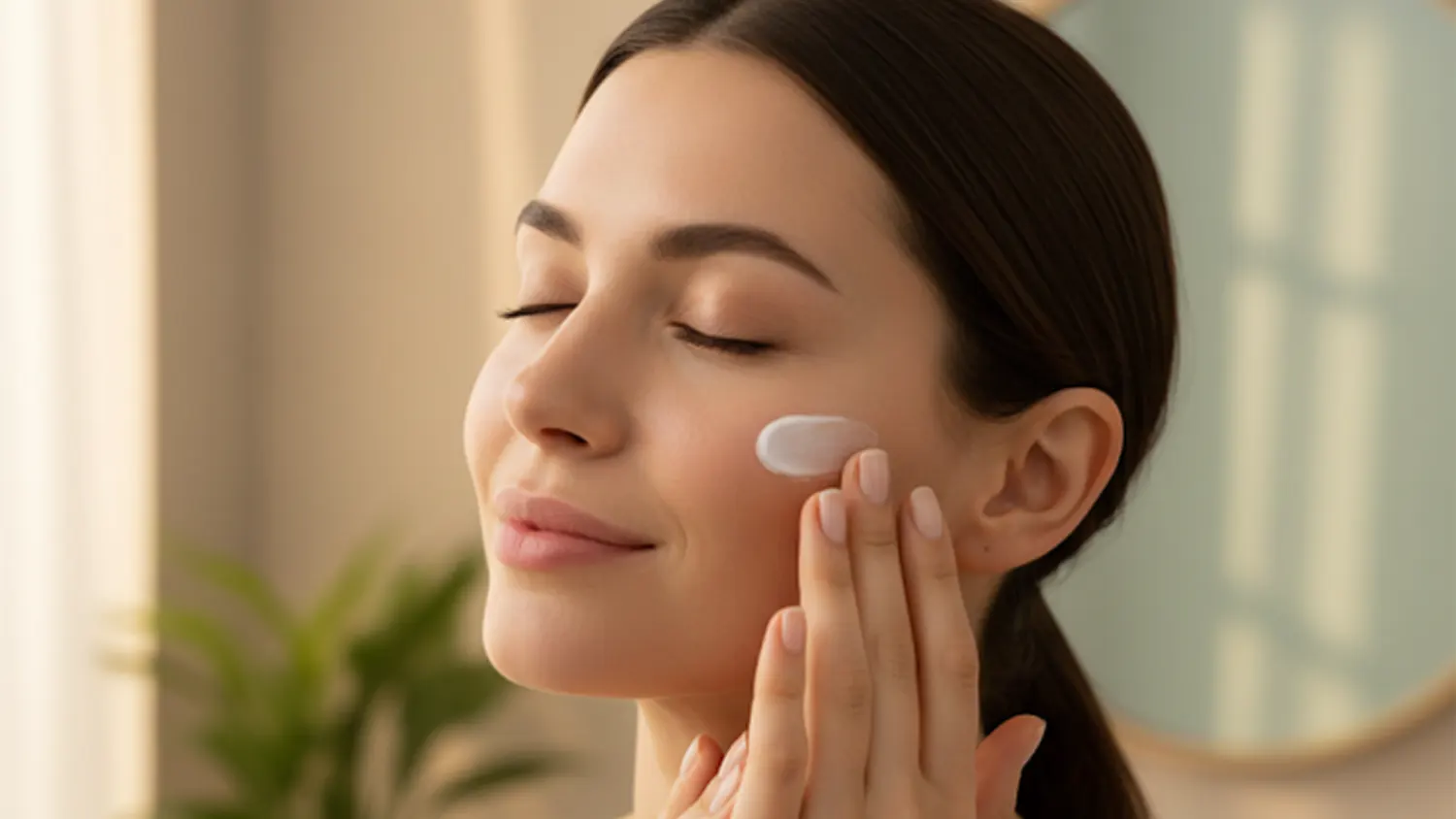
You’ve spent time and probably real money finding the right serum, the right moisturizer, the right cleanser. But if you’re rubbing them in with the same energy you’d use to clean a countertop, you may be undoing a lot of that effort without realizing it.
How you apply skincare products matters just as much as which ones you use. The science behind this is straightforward, and the fixes are simple but most people have never been taught them.
Your Skin Has a Structural Layer That Friction Can Damage
Think of your skin as having two jobs running simultaneously. The outer layer, the stratum corneum acts as a physical barrier, keeping moisture in and microbes, pollutants, and irritants out. The deeper dermal layer is home to collagen and elastin, the proteins that give skin its firmness and bounce.
Aggressive rubbing and repeated tugging don’t just sit on the surface. Over time, they create micro-tears in the outer barrier, making skin more prone to redness, sensitivity, and flare-ups especially for anyone dealing with eczema or rosacea. And the friction reaches deeper too, gradually affecting the collagen and elastin fibers that keep skin looking lifted and smooth.
This isn’t about being overly precious with your routine. It’s about not actively working against what your products are trying to do.
What Happens to Collagen When You Tug and Pull
Collagen and elastin form a fibrous scaffold beneath your skin’s surface. That scaffold is what keeps skin from sagging and lines from deepening. Repeated mechanical stress stretching, pulling, friction gradually alters the architecture of those fibers, reducing elasticity and contributing to the kind of structural changes that show up as sagging and deeper lines over time.
Deeper still are fibroblasts, the cells responsible for producing collagen and repairing microdamage. Research shows that the mechanical signals fibroblasts receive actually influence how they behave. Controlled, gentle stimulation in clinical settings can support repair. But chronic, uncontrolled mechanical stress from rough daily handling disrupts that repair process effectively speeding up changes you’d rather slow down.
The older your skin gets, the more this matters. As collagen production naturally slows with age and the barrier becomes less resilient, skin simply has less capacity to bounce back from daily rough handling.
What Dermatologists Actually Recommend
The good news is that better technique doesn’t require a longer routine or new products. It’s mostly about replacing a few ingrained habits with gentler ones.
Pat, don’t rub. This is the single most impactful change most people can make. Patting reduces friction dramatically and actually helps products absorb more effectively particularly around the eye area, where skin is thinner and more delicate than anywhere else on the face.
Use your ring finger around the eyes. This isn’t arbitrary. The ring finger naturally applies the least pressure of any finger, making it the safest tool for the orbital area and under-eye skin where tugging causes the most visible damage over time.
If you need to massage, go light and upward. When applying a cleansing oil or balm that requires some movement, keep pressure minimal and move upward and outward working with the skin’s natural tension lines rather than against them.
Pat skin dry and moisturize while still damp. After cleansing or showering, resist the urge to rub your face dry with a towel. Pat gently instead, and apply your moisturizer while the skin is still slightly damp. That residual moisture gets locked in, which is significantly more effective than applying to completely dry skin.
The Products You Choose Should Back Up Your Technique
Gentle application works best when paired with products that aren’t fighting your skin in the first place. Fragrance is one of the most common triggers for barrier irritation and sensitivity switching to fragrance-free formulas removes a daily source of low-grade stress your skin doesn’t need.
For the barrier itself, ceramide-rich moisturizers help reinforce the outer layer and support recovery from any daily damage. Hyaluronic acid serums pull moisture into the skin and work particularly well when applied to damp skin before sealing in with a moisturizer.
For active ingredients like retinoids and acids, technique matters even more. These products work by prompting controlled skin turnover applying them too aggressively or to already-irritated skin amplifies the side effects without improving the results. Light, even application and giving them time to absorb before layering anything on top makes a real difference.
Small Habits, Long-Term Results
None of this requires overhauling your routine. The changes are small pat instead of rub, use your ring finger near the eyes, moisturize damp skin, reach for fragrance-free formulas but applied consistently over months and years, they add up to meaningfully less mechanical stress on your skin’s structural systems.
The best skincare routine isn’t just the one with the best ingredients. It’s the one that works with your skin rather than against it, from the first touch to the last step.