A major shift in global trade is taking shape.
On July 16, 2025, U.S. President Donald Trump announced a new trade agreement with Indonesia that could reshape how the two countries do business. The deal lowers tariffs on Indonesian goods while opening Indonesia’s market to American exports in a significant way.
This agreement signals a new phase in US–Indonesia economic relations, with potential impacts on industries, businesses, and global trade flows.
A Deal That Changes the Rules
At the center of the agreement is a clear adjustment in tariffs.
The United States has reduced the planned tariff on Indonesian imports from 32 percent down to 19 percent. This move eases pressure on Indonesian exporters and keeps trade flowing between the two countries.
In return, Indonesia has taken a much more open approach.
American goods will now enter Indonesia with “tariff and non tariff barrier free” access, giving U.S. companies a significant advantage in one of Southeast Asia’s largest markets.
This structure creates what officials describe as an “asymmetric” trade arrangement, where the benefits are not evenly distributed but strategically designed.
Direct Leadership Talks Behind the Agreement
This deal did not come through routine negotiations.
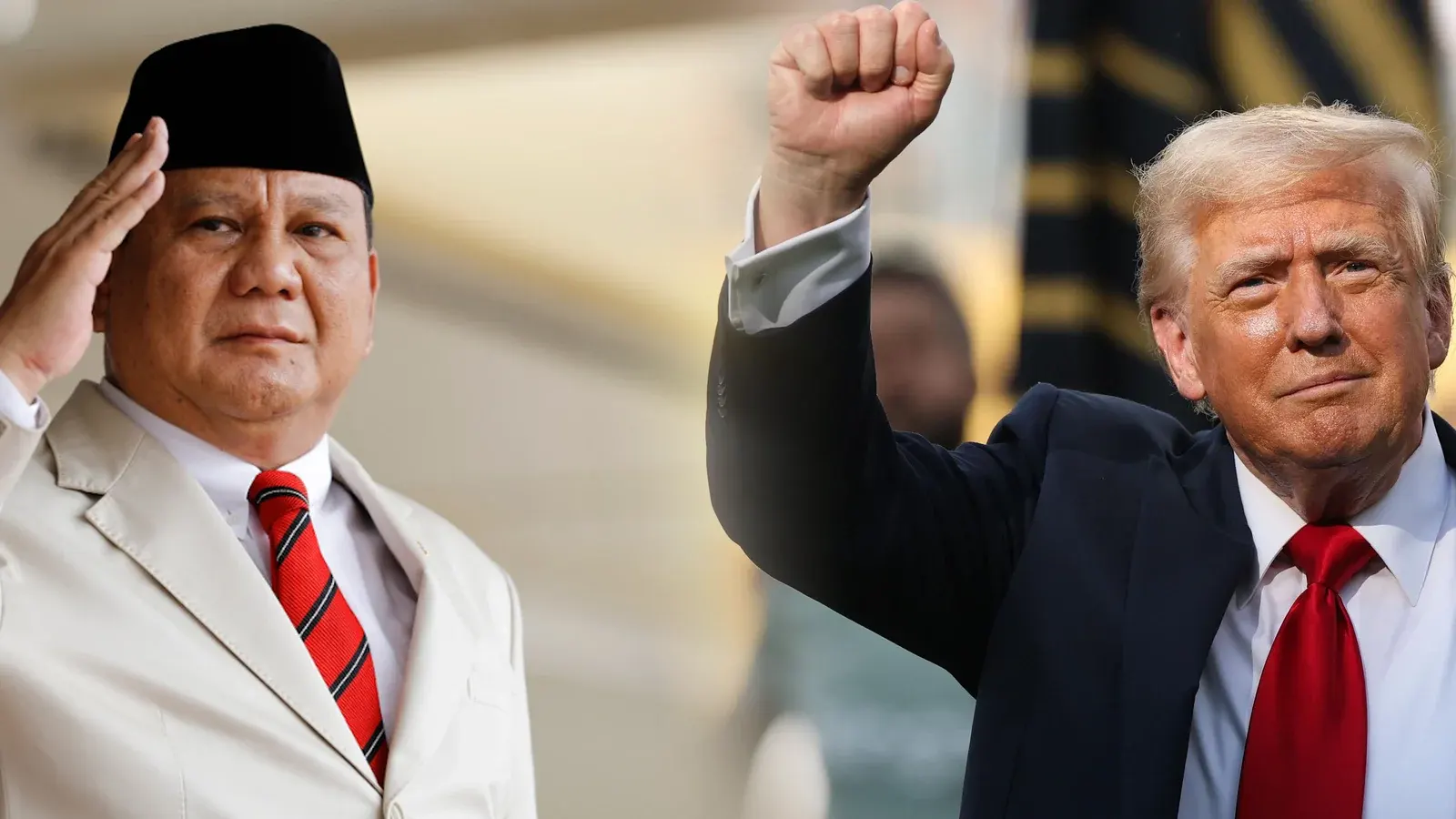
It was the result of direct discussions between President Donald Trump and Indonesian President Prabowo Subianto. Their involvement highlights the importance both countries place on strengthening economic ties.
Because of this high level engagement, the agreement carries strong political backing on both sides, increasing the likelihood of smooth implementation.
Why the Timing Matters
The announcement comes at a critical moment.
The Trump administration has been pushing a broader strategy to reshape global trade relationships ahead of an August 1 deadline for new import tariffs.
This deal with Indonesia fits into that larger plan.
By adjusting tariffs and securing market access now, the U.S. is positioning itself ahead of potential global trade shifts.
A Push to Rebalance Trade
Another key part of the agreement involves future purchases.
Indonesia has committed to buying significant amounts of American products, including agricultural goods. This is intended to address trade imbalances and support U.S. industries.
For Washington, the goal is clear:
Increase exports while reducing reliance on imports.
For Indonesia, the lower tariff rate helps maintain competitiveness in the U.S. market.
Indonesia’s Perspective on the Agreement
Indonesian President Prabowo Subianto has responded positively to the deal.
He described it as the beginning of a “new era of mutual benefit” between the two nations.
This suggests that, despite the uneven structure, Indonesia sees long term advantages in:
- Strengthening ties with the United States
- Securing stable access to a major export market
- Attracting future investment opportunities
What This Means for Global Trade
This agreement is not just about two countries.
It reflects a broader trend where nations are:
- Renegotiating trade terms
- Prioritizing strategic partnerships
- Using tariffs as leverage in negotiations
The US–Indonesia deal could influence how other countries approach future trade agreements, especially in Asia.
Key Takeaways
- Tariffs on Indonesian goods to the U.S. reduced to 19 percent
- American exports gain full access to Indonesia’s market
- The deal follows direct talks between Trump and Prabowo
- Indonesia will increase purchases of U.S. products
- The agreement is part of a larger shift in global trade strategy
A New Chapter in Bilateral Trade
This trade agreement marks a significant turning point.
Both countries are redefining how they trade, balancing competition with cooperation.
As the global economy continues to shift, deals like this will play a major role in shaping the future of international commerce.
And for now, the US–Indonesia partnership is entering a phase that could bring both opportunity and new challenges.