The first sounds were not warnings, but explosions.
In a matter of days, a long simmering border dispute between Thailand and Cambodia has turned into a humanitarian crisis, one measured not just in territory, but in lives.
What the world is witnessing is not just another regional conflict. It is a story of families forced to run, communities erased overnight, and leaders struggling or failing to contain the damage.
The Human Toll: Lives Interrupted, Futures Uncertain
The numbers are stark, but they don’t fully capture the reality.
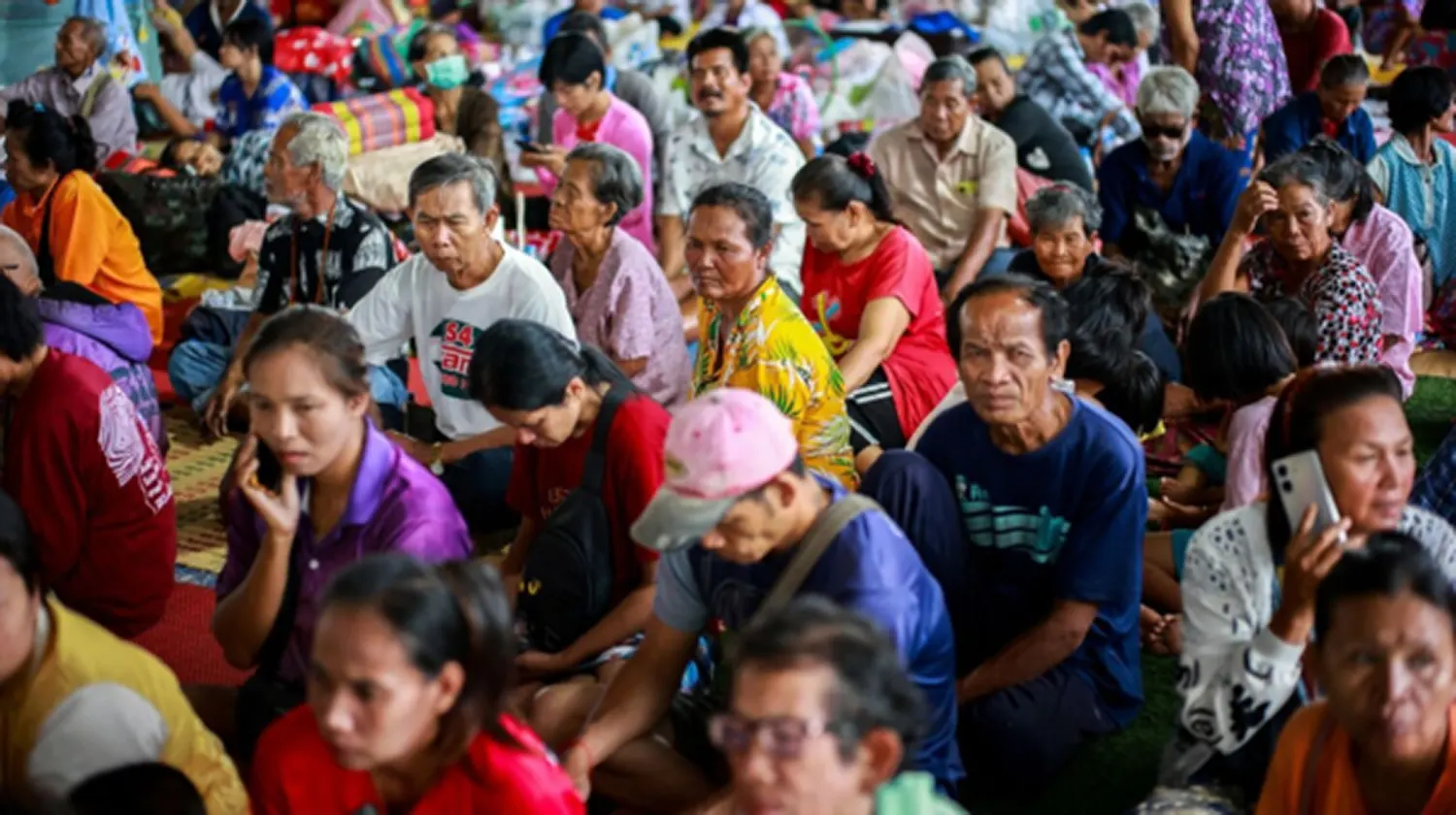
At least 33 people have been killed, and more than 170,000 have been forced from their homes.
Behind those figures are stories that rarely make headlines. Parents carrying children through smoke filled roads. Elderly residents leaving behind homes they may never return to. Entire communities reduced to temporary shelters, waiting for answers that may not come soon.
For those living along the border, life has been divided into “before” and “after.” Before the shelling. Before the displacement. Before everything changed.
A Conflict Fueled by Blame
As the violence unfolds, the political response feels painfully familiar.
Thailand and Cambodia have fallen into a cycle of accusation and denial, each side blaming the other while the situation on the ground worsens.
Bangkok points to Cambodian actions as the trigger. Phnom Penh responds with its own claims, even raising allegations of banned weapons.
But as this back and forth continues, something critical is lost.
The voices of civilians, the people living through the consequences are drowned out by political rhetoric and national pride.
When Leadership Fails
The deeper tragedy lies not just in the conflict itself, but in how it has been handled.
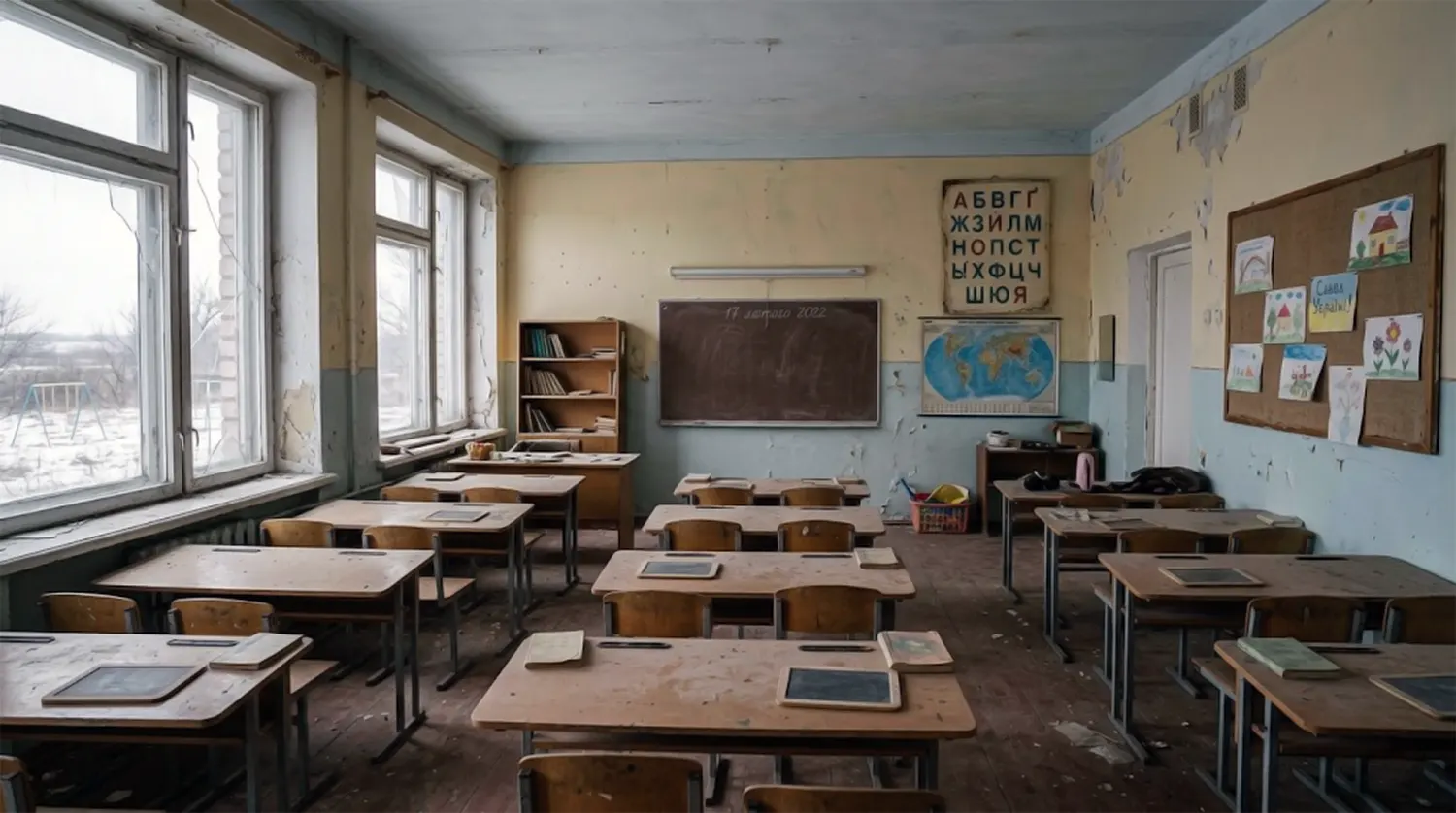
Emergency measures have spread quickly: martial law in border areas, closed schools, damaged hospitals, and disrupted daily life.
These are not just side effects of war. They are signs of a system under strain of diplomacy that has failed to prevent escalation.
When tensions are left unresolved for too long, they eventually break. And when they do,
it is ordinary people who absorb the shock of that failure.
The World Watches But Moves Slowly
Beyond the region, concern is growing.
International calls for a ceasefire have become more urgent, with global leaders pushing both sides to step back.
Yet progress remains slow and uncertain. Statements are made, conditions are set, and talks are discussed but little changes on the ground.
Even major institutions struggle to make an impact. The United Nations has urged restraint, while ASEAN faces limits in influencing its own members.
In moments like this, diplomacy often lags behind reality and for those caught in the conflict, time is a luxury they do not have.
Caught in the Crossfire
For civilians, this is no longer about borders or politics.
It is about survival.
Homes have been reduced to rubble. Livelihoods have disappeared overnight. The sense of safety that once defined daily life has been replaced by uncertainty and fear.
Each passing day without resolution deepens the damage. Each failed negotiation adds to the weight carried by those who have already lost so much.
This is the quiet tragedy of conflict, the part that unfolds far from negotiation tables and press conferences.
A Crisis That Demands More
What is happening along the Thailand–Cambodia border is not just a regional issue.
It is a reflection of what happens when political will falters and human lives become secondary.
It raises difficult but necessary questions. Why are warning signs ignored until it is too late? Why does dialogue come only after damage is done? And why are civilians so often left unprotected in conflicts they did not choose?
These are not new questions but they remain unanswered.
The Bottom Line
This conflict is a reminder that the true cost of political failure is always human.
Lives have been lost. Families have been displaced. Entire communities are now living in uncertainty.
But beyond the immediate damage, something deeper is at risk, trust, stability, and the belief that leadership exists to protect, not endanger.
Until that priority shifts, the cycle will continue. And once again, it will be ordinary people who pay the price.