President Trump didn’t hold back his frustration, but he also didn’t fight it. “I guess I have to accept it’s the Supreme Court, so I’ll accept,” he told reporters, reacting to a ruling that just struck down one of his signature policies. Then came the warning: he called the decision “tremendously destructive” and claimed America was the only country that grants automatic citizenship to anyone born on its soil.
That claim is false and the real story behind this ruling is even bigger than the soundbite.
What the Supreme Court Actually Decided
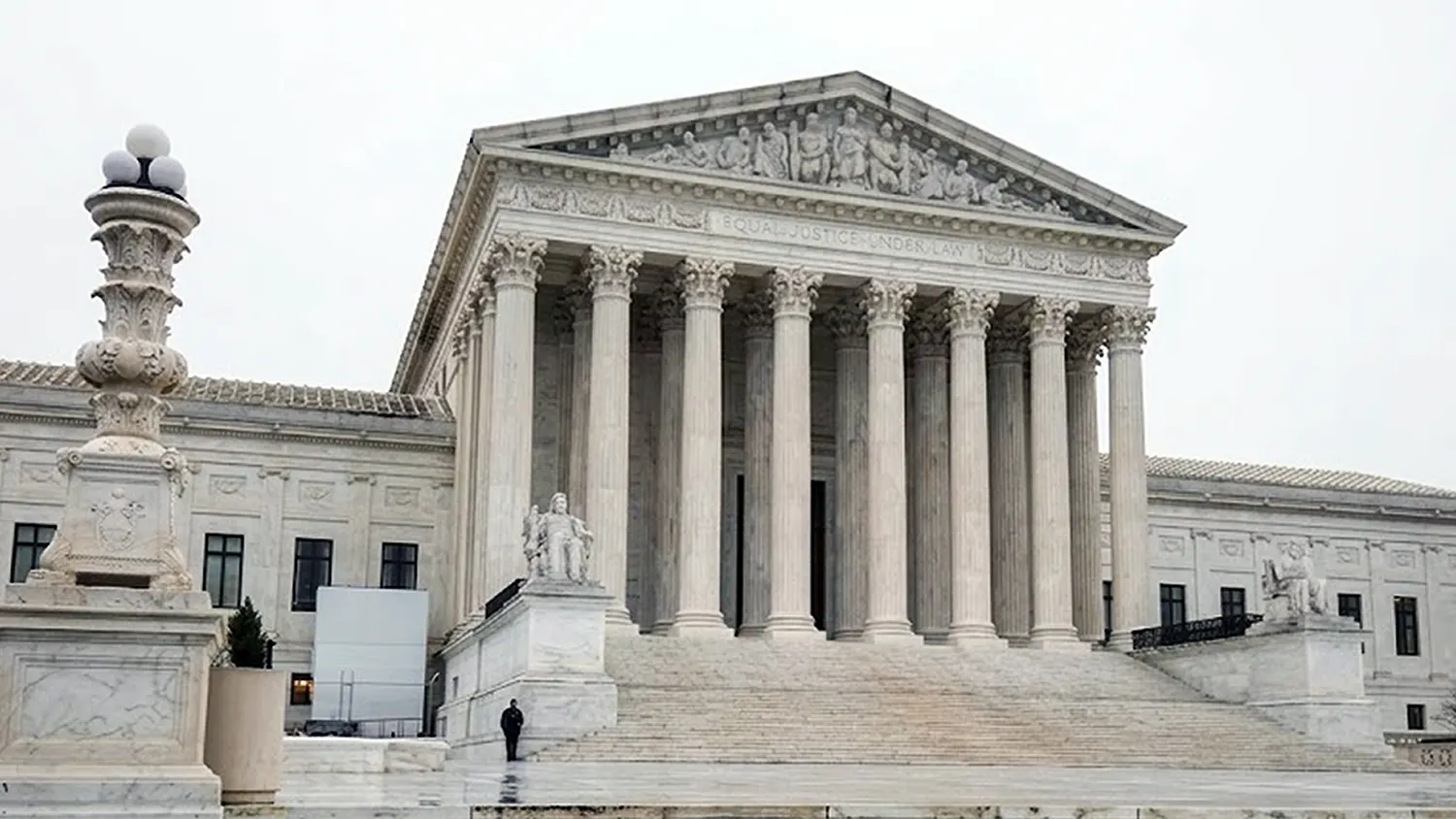
In a landmark case known as Trump v. Barbara, the justices ruled 6-3 to strike down Executive Order 14160, the policy Trump signed on his first day back in office. The order had tried to end automatic birthright citizenship for babies born in the U.S. unless at least one parent was a citizen or green card holder.
That meant children born to undocumented immigrants or to people on temporary visas, student visas, work visas, tourist visas would no longer have automatically qualified as U.S. citizens.
The case moved unusually fast, skipping the normal appeals court process and landing straight at the Supreme Court because of how significant the constitutional question was.
The Five Words That Decided Everything
The entire legal fight hinged on one short phrase in the 14th Amendment: “subject to the jurisdiction thereof.”
The Trump administration argued this phrase meant political allegiance or legal status so children of undocumented immigrants or temporary visitors shouldn’t automatically count. Chief Justice John Roberts, writing for the majority, rejected that reading entirely. His opinion explained that “jurisdiction” simply means being bound by U.S. laws and since undocumented immigrants and visitors must follow those laws, their children born here are citizens, full stop.
The ruling leaned heavily on a 127-year-old precedent, United States v. Wong Kim Ark (1898), which first established that children of immigrants born on American soil are citizens. The Court essentially confirmed that this old precedent still applies today.
Not everyone agreed. Justice Clarence Thomas wrote a sprawling 91-page dissent more than three times longer than the majority opinion arguing that the framers of the 14th Amendment never meant to cover children of undocumented immigrants or temporary visitors.
Who Is “Barbara”?
Despite the formal-sounding case name, “Barbara” is a pseudonym protecting a real Honduran asylum seeker living in New Hampshire who fled gang violence. She filed the lawsuit alongside families connected to a Taiwanese student and a Brazilian green card applicant, all worried their U.S.-born children would lose access to basic rights like medical care and passports.
It’s also worth clarifying something many people get backwards: this lawsuit was filed against Trump, by civil rights groups including the ACLU, to block his order, not the other way around.
Trump’s Claims, Fact-Checked
Trump insisted the U.S. is alone in offering birthright citizenship. It isn’t, and it’s not close.
Over 30 countries currently grant unrestricted birthright citizenship, known legally as jus soli. This is especially common across the Western Hemisphere Canada, Mexico, Brazil, Argentina, and Colombia all do it exactly the way the U.S. does. Among wealthy nations, Canada stands right alongside the United States on this policy.
His second claim had more truth to it. Some countries did once offer birthright citizenship and later ended it. The United Kingdom dropped it in 1983, Australia in 1986, India in 1987, and Ireland in 2005, the last European country to do so. These nations switched to a conditional model, where a baby only gets citizenship if a parent is already a citizen or legal resident. That’s essentially the system Trump’s executive order was trying to copy.
Why This Ruling Matters Beyond Immigration
This case isn’t just about citizenship rules, it’s about how far a president’s power actually extends.
The Court made clear that changing constitutional rights requires a constitutional amendment, not an executive order. That means a two-thirds vote in Congress and approval from 38 states, a dramatically higher bar than a presidential signature.
There’s also a political wrinkle worth noting: two of Trump’s own Supreme Court appointees, Justices Kavanaugh and Barrett, voted against the order he signed. It’s a reminder that the Court’s conservative majority doesn’t always vote as a political bloc, especially when the text of the Constitution points clearly in one direction.
What Happens Now for Families
For everyday families, the outcome is simple: nothing changes. Any baby born on U.S. soil regardless of the parents’ immigration status is automatically a U.S. citizen, exactly as it’s been for generations.
Because lower courts had already blocked the order before it took effect, no babies were ever actually denied citizenship, Social Security numbers, or passports. The ruling prevents what could have become a chaotic legal mess affecting thousands of infants born after January 2025.
With the executive order route now closed permanently, anyone hoping to change birthright citizenship will have to take the fight to Congress or pursue a formal constitutional amendment, a far steeper and slower path.
For now, the rule stands exactly as it always has: if you’re born in the United States, you’re a U.S. citizen.