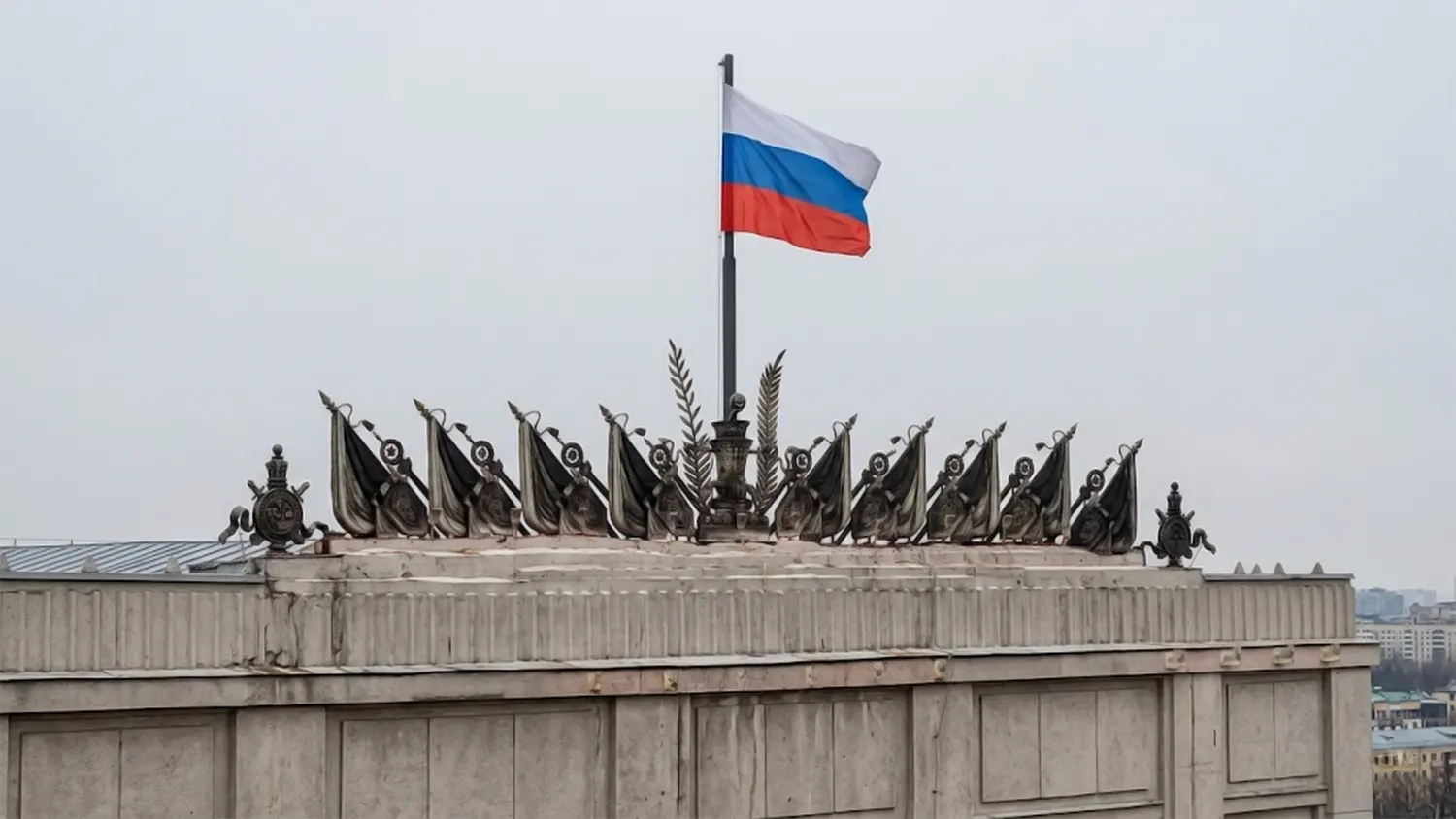
The situation in Ukraine has narrowed to a high stakes standoff defined by what analysts describe as a “duelling ceasefire” scenario. Kyiv and Moscow have each announced unilateral pauses in fighting but on non overlapping dates, turning what could have been a de-escalation into a strategic contest. Ukraine’s proposal begins first, while Russia’s is tied to its May 9 Victory Day commemorations, creating a dangerous misalignment rather than a shared pause.
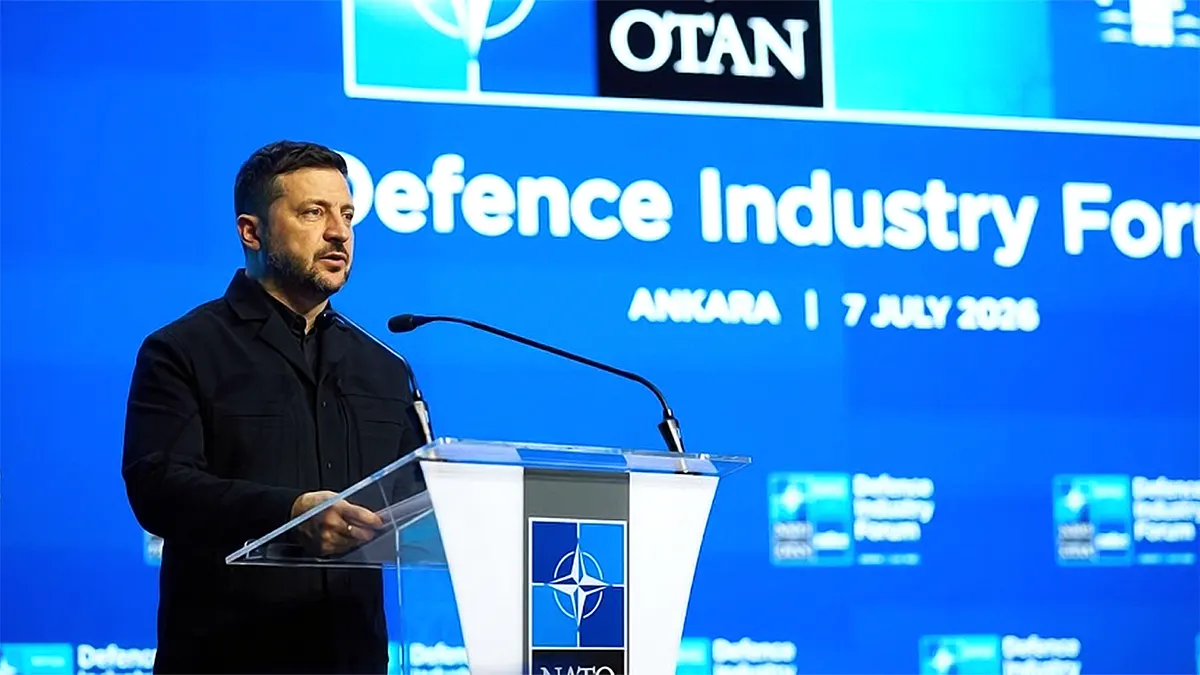
But the real tension lies in the timing. President Volodymyr Zelenskyy has framed Ukraine’s move as a humanitarian gesture, declaring that “human life is far more valuable than any anniversary.” His ceasefire is set to begin at midnight on May 5–6. Moscow, by contrast, has scheduled its truce for May 8–9, explicitly to secure its 81st World War II victory celebrations.
That mismatch creates a structural problem. Because the timelines do not overlap, no binding “quiet period” exists, raising the risk that fighting will persist or even intensify between the two windows. Zelenskyy has already warned that Ukraine will only maintain silence if Russia “acts symmetrically,” effectively placing the burden of escalation on Moscow.
What makes this more urgent is that events on the ground are moving in the opposite direction of diplomacy. Just hours before the proposed truce, Russian drone and missile strikes hit energy infrastructure in Poltava and Kharkiv, killing at least five people. Zelenskyy called the attacks “utter cynicism,” underscoring the gap between rhetoric and reality.
A ceasefire paired with a threat reshapes the stakes
Russia’s proposal is not just a pause, it is also an ultimatum. The Russian Ministry of Defense has issued a direct warning to Kyiv, stating that any attempt to disrupt May 9 celebrations will trigger a “massive missile strike” on central Kyiv. This shifts the ceasefire from a diplomatic gesture into a coercive framework backed by force.
The warning goes further. Moscow has advised foreign diplomats and civilians to leave Kyiv, an unusually explicit signal that elevates the credibility of the threat. Such messaging is rare in conventional ceasefire contexts and suggests preparatory signaling rather than de-escalation.
At the same time, reports indicate that President Vladimir Putin discussed the truce in a call with Donald Trump, pointing to a fragile backchannel shaping decisions behind the scenes. While details remain unclear, the timing suggests the ceasefire may be tied to broader negotiations rather than purely ceremonial concerns.
But the strategic logic becomes clearer when viewed from Moscow’s perspective. The Kremlin appears deeply concerned about security vulnerabilities during the Red Square parade, particularly the threat of Ukrainian drone strikes. Authorities are already restricting mobile internet access in major cities to disrupt navigation systems.
That concern extends to symbolism. This year’s parade is expected to be “hardware-free,” with no tanks or missile systems, a sharp departure from tradition. The absence reflects both battlefield losses and fear of high-value targets, reinforcing the idea that the ceasefire is designed to protect a moment of national visibility.
The 48 hour “dead zone” could decide everything
The most volatile period lies not within either ceasefire but between them. The 48-hour gap between May 6 and May 8 has effectively created a “security vacuum”, where neither side is formally committed to restraint. This window is widely seen as the most dangerous phase of the current crisis.
Ukraine’s ceasefire begins first, but it is conditional. Kyiv has pledged silence only if Russia reciprocates. If Russian strikes continue during this period, the Ukrainian truce could collapse within hours, as domestic and military pressures make unilateral restraint untenable.
This creates what analysts call a “symmetry trap.” By acting first, Zelenskyy is attempting to force Russia into an early ceasefire. If Moscow refuses, Ukraine gains a narrative advantage, reinforcing its claim that Russia’s proposal is self-serving rather than genuine.
But the military calculus may override the diplomatic one. Both sides are believed to be preparing pre-emptive operations before their respective deadlines. Russian forces may intensify strikes on logistics and rail networks to limit Ukrainian mobility during the pause. Meanwhile, Kyiv has signaled that its long-range drone capabilities remain active, potentially targeting airfields or staging areas inside Russia.
What makes this even more precarious is the risk of misinterpretation. In a compressed timeline with overlapping threats and unclear commitments, a single strike could trigger rapid escalation, collapsing both ceasefire efforts before either fully begins.
Global distractions and quiet diplomacy shape the outcome
This confrontation is unfolding against a fragmented global backdrop. With international attention divided by tensions in the Middle East, the Ukraine conflict is receiving less sustained diplomatic focus, potentially lowering the cost of escalation for both sides.
At the same time, behind-the-scenes negotiations appear to be the only stabilizing factor. The reported U.S.-Russia backchannel linked to the Trump-Putin call is seen as a critical mechanism preventing the “Kyiv ultimatum” from becoming reality.
Washington is reportedly applying dual pressure: urging Kyiv to avoid provocations during the Moscow parade, while warning Moscow that any large-scale strike on Kyiv would derail ongoing negotiations. This balancing act reflects a broader attempt to contain escalation without formal coordination between the warring parties.
The immediate question now is simple but consequential: will the guns fall silent at midnight, or will the competing ceasefires expose deeper strategic intent? The answer will not just determine the next 72 hours, it will signal whether diplomacy still has traction in a conflict increasingly defined by timing, symbolism, and brinkmanship.