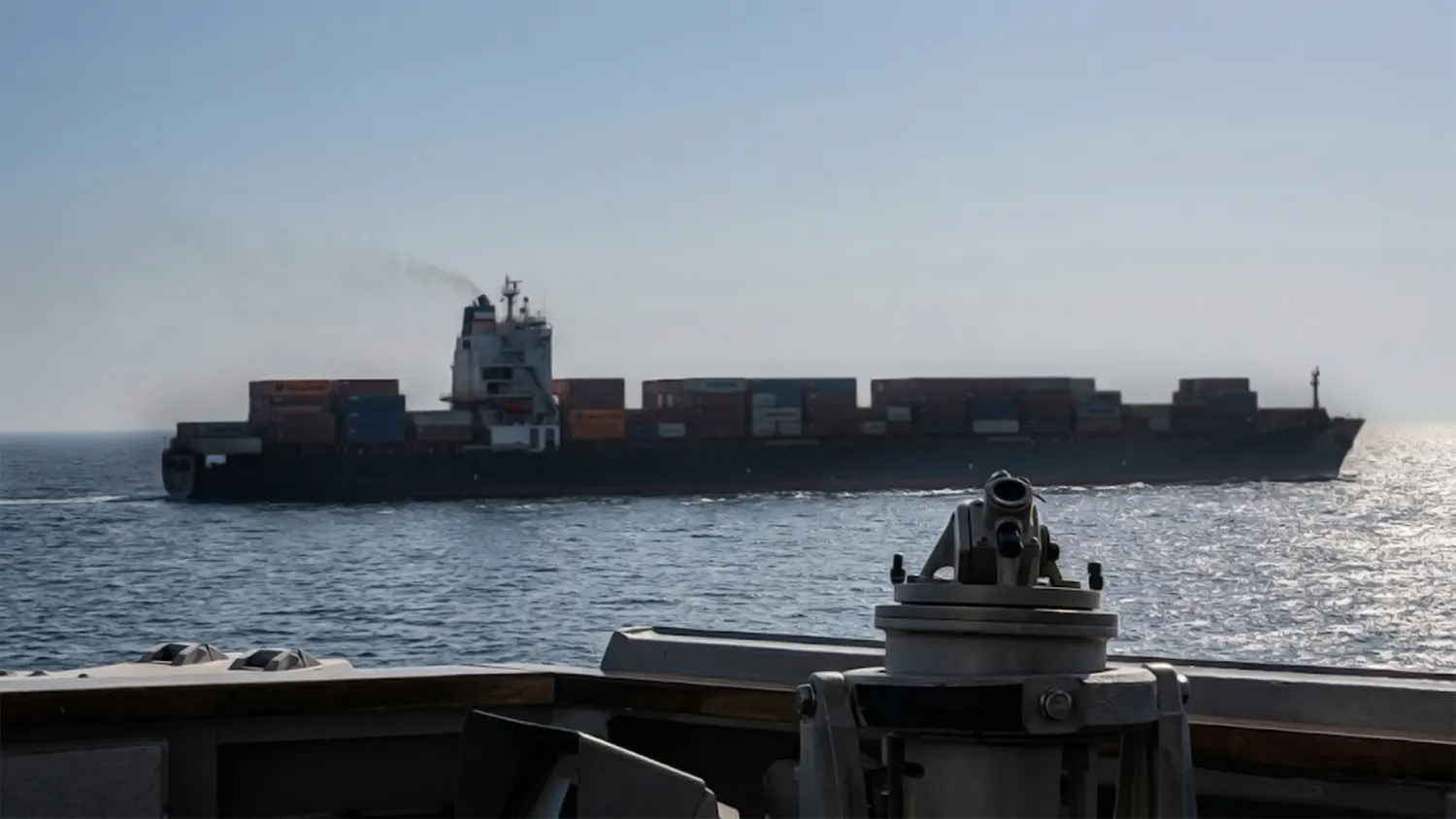
A U.S. Navy destroyer seized an Iranian linked cargo ship on April 19, 2026, in the Arabian Sea, after hours of warnings and a live fire strike, sharply escalating tensions just days before critical nuclear talks.
That single encounter between the USS Spruance (DDG-111) and the M/V Touska now sits at the center of a rapidly widening crisis. What began as a maritime interception has turned into a geopolitical flashpoint, threatening both a fragile ceasefire and high stakes diplomacy.
But the real significance lies in how the confrontation unfolded. This was not a routine boarding, it was the first use of disabling naval gunfire to enforce the current U.S. blockade, signaling a clear shift in military posture.
A calculated strike that stopped a ship without sinking it
The incident began with a long standoff. The Touska, a 900 foot container vessel, was heading toward Bandar Abbas when it was intercepted roughly 40 nautical miles off Iran’s coast. Over six hours, U.S. forces issued repeated warnings.
When those warnings failed, the situation escalated. The destroyer ordered the crew to evacuate the engine room, then fired several rounds from its 5-inch MK 45 deck gun. The result was precise and deliberate: the ship’s propulsion system was destroyed, but the vessel remained afloat.
That level of control is central to understanding the tactic. Rather than sinking the ship, the U.S. Navy executed what it calls “disabling fire”, a calibrated use of force designed to compel compliance without mass casualties.
But stopping the ship was only the first phase. What followed turned a tactical strike into a full scale seizure.
A high risk boarding operation completed in minutes
Within minutes of the strike, U.S. Marines launched from the USS Tripoli (LHA-7) moved in. Helicopters hovered above the disabled vessel as troops rappelled onto its deck.
The boarding force, drawn from the 31st Marine Expeditionary Unit, secured the ship without reported resistance. The entire operation from final warning to full custody unfolded with rapid precision, reflecting rehearsed maritime interdiction doctrine.
U.S. officials say the vessel is now under American control and undergoing inspection. That raises a second question: why this ship, and why now?
Why this vessel became a target in a tightening blockade
According to U.S. authorities, the Touska was not an ordinary commercial vessel. It had been under sanctions since 2020 due to alleged links to the Islamic Republic of Iran Shipping Lines.
Washington claims the ship may have been involved in transporting materials tied to Iran’s ballistic missile program. That allegation unproven publicly but repeatedly cited formed the legal basis for interception.
At a broader level, the seizure fits into a larger campaign. Since April 13, the U.S. has enforced a naval blockade aimed at cutting off Iran’s economic lifelines. Officials estimate Iran is losing roughly $400 million per day under the restrictions, increasing pressure ahead of nuclear negotiations.
But enforcement at this level carries risks. And within hours, those risks began to materialize.
Retaliation claims and rising military tension at sea
Iran responded swiftly and sharply. Officials in Tehran condemned the seizure as “maritime piracy”, rejecting the legality of the blockade and the use of force.
Shortly afterward, Iranian state linked sources reported drone strikes targeting U.S. naval assets in the Sea of Oman. While U.S. Central Command has not confirmed damage, the mere claim of retaliation marks a dangerous escalation cycle.
This exchange seizure followed by alleged counterstrike has shifted the confrontation from enforcement to deterrence. What makes this even more urgent is the timing.
Diplomacy falters as deadlines and threats collide
The incident comes just days before a critical diplomatic deadline. Talks between U.S. and Iranian officials, scheduled in Rawalpindi, are now in jeopardy.
Iranian officials have signaled they may not attend. They argue negotiations cannot proceed under military pressure, particularly while the blockade remains in place.
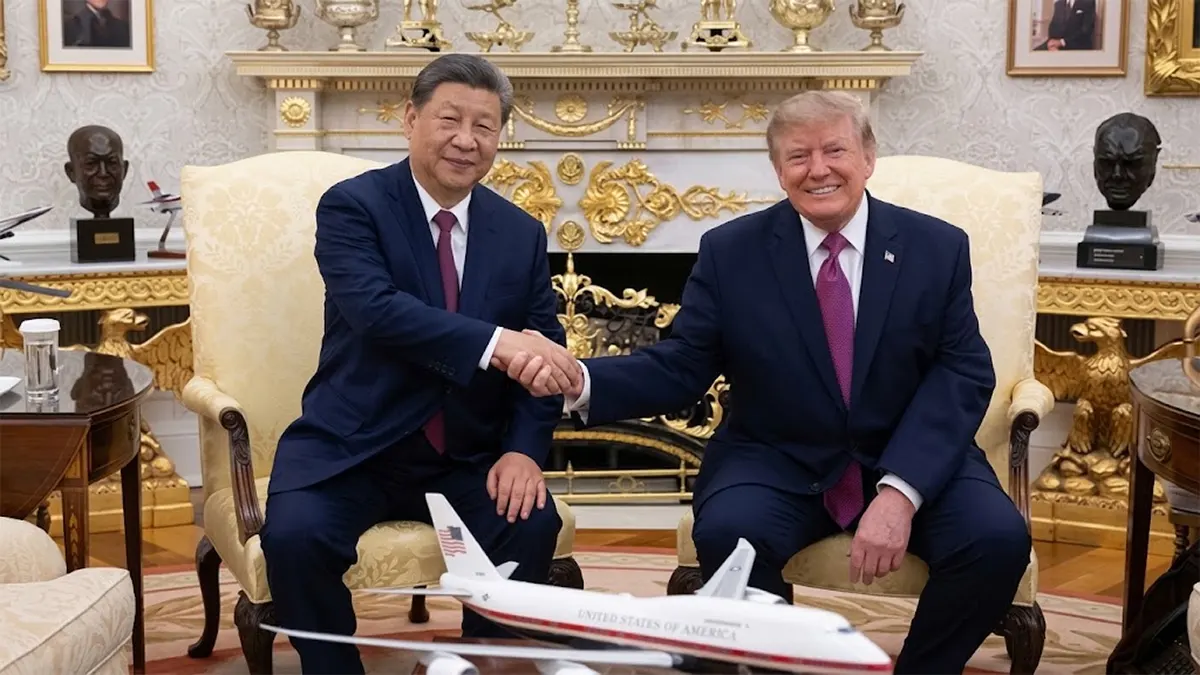
Meanwhile, President Donald Trump has doubled down, warning of severe consequences if Iran rejects U.S. terms. The rhetoric has been stark, including threats targeting infrastructure.
Overlaying everything is the clock. The current ceasefire is set to expire on April 22. If talks collapse, the region could return to open conflict within days.
A single encounter that may reshape the conflict’s trajectory
For now, the Touska remains under U.S. control, reportedly being escorted for cargo inspection. Whether it becomes leverage in negotiations or a symbol of escalation remains unclear.
But the broader pattern is already visible. A six hour standoff has triggered a chain reaction across military, economic, and diplomatic fronts. The Strait of Hormuz, once again, sits at the center of global tension.
And as the deadline approaches, one question dominates: will this show of force compel compromise or close the door on it entirely?