After days of intense firefighting efforts, authorities in southern France have finally brought a massive wildfire under control in the Aude region. For local communities, this marks a moment of relief but not resolution.
Despite successful containment, officials warn that the crisis is far from over. A severe heatwave gripping the region continues to pose a serious risk, raising concerns that the fire could reignite under the right conditions.
A Devastating Blaze in Aude
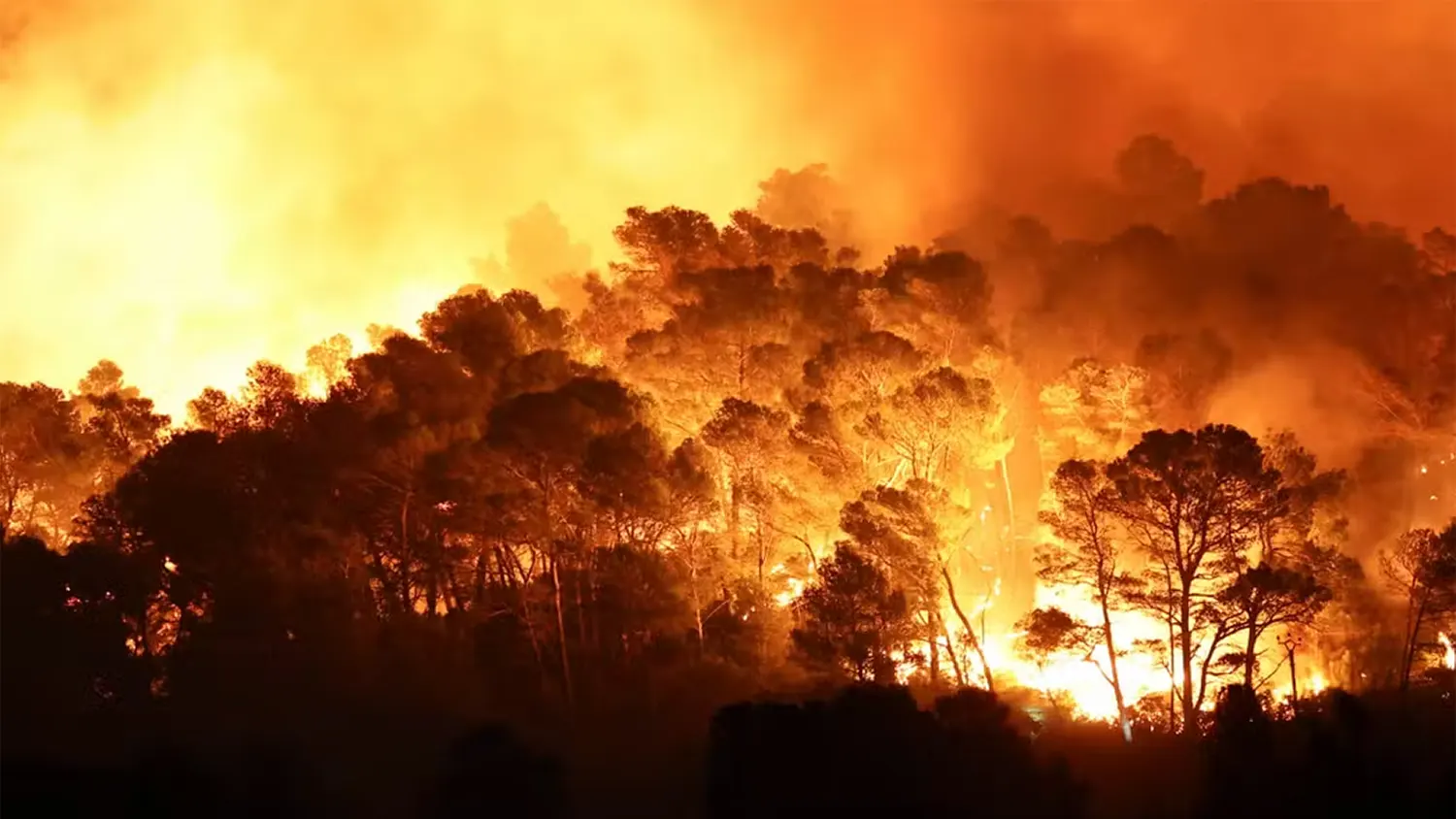
The wildfire, described as the largest in decades for the Aude department, left behind a trail of destruction that is difficult to ignore.
In total, the blaze scorched approximately 16,000 hectares (nearly 40,000 acres) of land. The human toll has also been significant:
- 1 fatality reported
- 25 people injured, including 19 firefighters
These figures highlight not only the scale of the disaster but also the immense risks faced by emergency responders on the front lines.
Containment Achieved But Risks Remain
While firefighters have successfully contained the wildfire, authorities are cautious about declaring the situation fully under control. In wildfire management, containment does not mean elimination.
More than 1,000 firefighters remain deployed across the affected areas, continuing to monitor hotspots and prevent flare ups. Their presence is critical, especially given the current weather conditions.
The primary concern? An ongoing extreme heatwave, with temperatures expected to reach up to 40°C (104°F).
These conditions create a dangerous combination:
- Dry vegetation acting as fuel
- High temperatures accelerating combustion
- Lingering embers capable of reigniting flames
Heatwave Threat: A Perfect Storm for Reignition
Even after flames are contained, wildfires can remain unpredictable. The current heatwave significantly increases the likelihood of fire reignition, particularly in areas where underground heat persists.
This is why authorities have taken precautionary steps, including:
- Maintaining a strict forest access ban
- Limiting human activity in high-risk zones
- Continuing round the clock surveillance
These measures are essential to prevent accidental sparks that could quickly escalate into another emergency.
Residents Return Amid Ongoing Precautions
With the fire largely contained, many evacuated residents have begun returning to their homes. However, life is far from normal.
Authorities are urging caution, emphasizing that:
- Some areas remain unsafe or restricted
- Emergency crews still require uninterrupted access
- The situation can change rapidly due to weather conditions
This careful approach reflects the fragile stability currently in place across the region.
A Growing Climate Concern
Beyond the immediate crisis, this wildfire underscores a larger and more troubling trend. Southern Europe is increasingly experiencing longer, hotter, and drier seasons conditions that significantly elevate wildfire risk.
Experts point to climate change driven heatwaves as a key factor behind:
- Increased fire frequency and intensity
- Faster spread of wildfires
- Greater challenges in containment
This event serves as a stark reminder that wildfires are no longer isolated incidents, they are becoming a recurring and escalating threat.
Final Thoughts
The containment of the Aude wildfire is a critical milestone, but it is not the end of the story. With extreme heat still gripping the region, the risk of reignition remains very real.
For now, the priority is clear: maintain vigilance, support emergency responders, and minimize risks wherever possible.
As communities begin to recover, this incident reinforces the urgent need for stronger wildfire prevention strategies and long term climate resilience.
The flames may be contained but the warning they carry is impossible to ignore.